

The future of health care is one where pharmacists play a pivotal role, and the Annual Enrollment Period is the perfect opportunity to prove it.
The future of health care is one where pharmacists play a pivotal role, and the Annual Enrollment Period is the perfect opportunity to prove it.
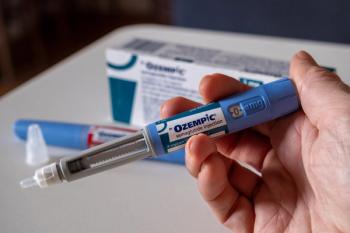
In previous studies, semaglutide was found to modulate dopamine reward signaling and decreased drug rewards (specifically heroin) in rodents.

Knowing the benefits and effects of norgestrel can assist pharmacists when counseling patients.

The real-world study results of ciltacabtagene autoleucel are comparable to data from the CARTITUDE-1 trial, emphasizing its efficacy and safety.
Longer-term data from the phase 3 MARIPOSA trial confirm superior outcomes of a chemotherapy-free amivantamab-vmjw plus lazertinib regimen compared to osimertinib monotherapy as first-line therapy.
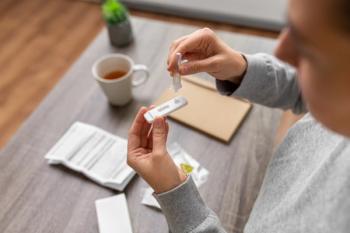
Healgen Rapid Check COVID-19/Flu A&B Antigen Test is the first OTC test to detect influenza to be granted a marketing authorization outside of Emergency Use Authorizations.

Two MUSC pharmacists describe how pharmacists are often the educational resource for patients and can help when removing certain barriers to care.
The addition of high-dose vitamin D3 to standard treatment did not delay the progression of cancer compared with the standard dose of vitamin D3.

The highest pre-term birth rates were consistently observed among those who were Black, American Indian or Alaska Native, or Native Hawaiian or other Pacific islander with public insurance.

Despite its importance, after graduating from pharmacy school, many pharmacists likely experience a decline in confidence in their ability to appropriately evaluate studies and interpret statistical findings.

The analysis assessed the feasibility of autologous transplantation of chemically-induced pluripotent stem cell-derived islets for type 1 diabetes.
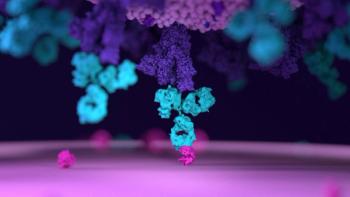
The discovery marks the first time an antibody has been observed to both assist and block viral infection with SARS-CoV-2.
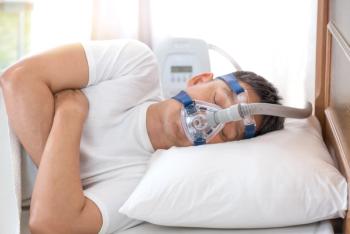
Treatment with tirzepatide has led not only to significant reductions in excess body weight, but also improvements in blood pressure and reduction of inflammatory markers.

Video chatting, texting, watching videos, and playing video games were activities most commonly associated with depressive symptoms in adolescents.

At the 2024 World Conference on Lung Cancer, Ana Baramidze, MD, PhD, presented 5-year outcomes of the trial, which investigated cemiplimab monotherapy in first-line advanced non–small cell lung cancer (NSCLC) with PD-L1 expression of 50% or greater.
However, the results also showed that vaccination rates were lower in those who are unmedicated for their mental illness and those with substance use disorders.

Pharmacists have developed an expanded role in the team-based approach through medication therapy management.

AI-enabled remote cardiac monitoring offers continuous data on heart activity, allowing for the early detection of arrhythmias, optimized treatment timing, and improved sleep-related heart health management.
It is valuable for pharmacists to understand exactly how price transparency data are sourced, what information can be found, antitrust concerns, and implications for the pharmaceutical industry.

Victor Ambros and Gary Ruvkun received the 2024 Nobel Prize in Physiology or Medicine for discovering microRNA and its role in gene regulation.

Survodutide is a glucagon/glucagon-like peptide-1 (GLP-1) receptor dual agonist that activates the glucagon and GLP-1 receptors to better control metabolic function.

Women were also more likely to report concerns of high wait times prior to receiving care.

Vaccine gap closure programs in Missouri and California provide a blueprint for a successful campaign.
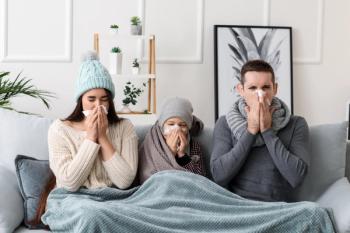
Investigators report the study met its primary end point, demonstrating that a single, oral dose reduced the transmission by those infected to others in their household.
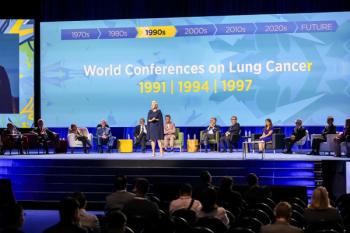
At the 2024 World Conference on Lung Cancer, Benjamin Besse, MD, PhD, discussed the findings of the phase 3 CARMEN-LCO3 trial, which led to the discontinuation of the study drug by the manufacturer.

Setrusumab could offer a rapid and clinically meaningful decrease in fracture rate in individuals with osteogenesis imperfecta.

Treosulfan showed superior benefits to busulfan as a conditioning regimen before allogenic hematopoietic stem cell transplantation (allo-HSCT).

Zodasiran is an RNA interference therapy targeting the ANGPTL3 loss-of-function mutation.

Though both treatments come with positives and negatives, ultimately, individual patient clinical presentation and accessibility will determine the proper treatment for myasthenic crisis.

Detailed findings will be presented at the American College of Allergy, Asthma & Immunology (ACAAI) Annual Scientific Meeting.