

The decision offers patients with antimicrobial resistance, who have limited or no treatment options, a new alternative.
The decision offers patients with antimicrobial resistance, who have limited or no treatment options, a new alternative.

The quadruple treatment was active and safe as initial therapy for older patients with transplant-ineligible multiple myeloma.

New therapies are being developed for individuals with gout.

Ming-Hei Tai, PharmD, BCOP, shares his concerns about the AQUILA trial and use of daratumumab for smoldering multiple myeloma.

The prevention of preeclampsia may reduce severe maternal morbidity (SMM) risk in pregnant people.

The designation builds on previous regulatory action for ADI-001 and allows for expedited development of the treatment for systemic lupus erythematosus.
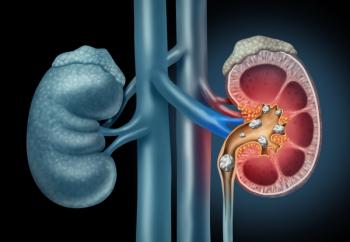
ABO-101 is supported by preclinical data that demonstrated significant reductions in urinary oxalate in PH1 disease models.
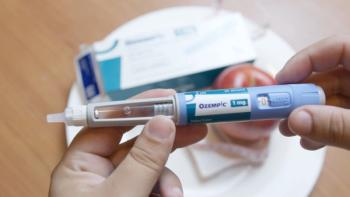
Donna Ryan discusses the landscape of GLP-1 medications and the lineup of indications that the drug class has received indications for in recent years.

More accurate prognostic risk assessment could aid pharmacists in the management and counseling of patients with primary myelofibrosis.

γδ T cells are emerging as a transformative immunotherapy approach in oncology, offering unique mechanisms for targeting hematologic and solid tumors, with clinical trials demonstrating promising survival outcomes and durable immune responses.
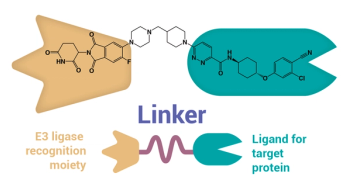
Proteolysis-targeting chimeras hold enormous potential, but also present significant challenges to drug developers.

Often an indicator of fibrosis or damage to the heart, late gadolinium enhancement was found to be unaffected by the administration of intravenous immunoglobulin (IVIG) in pediatric patients with myocarditis.

The demands of the pharmacy profession—long hours, high stress, and emotional strain—can take a toll on pharmacists’ well-being.

Edward Kim, MD, MBA, discusses critical points of patient leakage in precision medicine, emphasizing the role of multidisciplinary teams in streamlining care, managing medications, and improving patient outcomes.

There were no substantial differences for the mindfulness with substance use or anxiety outcomes compared with the recovery control group.

Pregnant individuals with multiple sclerosis (MS) are more likely to experience mental illness both during their pregnancy and in the first years after giving birth.

Ulipristal is a progesterone receptor modulator that prevents pregnancy by blocking the release of an egg from the ovary and inhibiting implantation in the uterus.

The Trop-2-tagreting antibody drug conjugate facilitated improved intracranial penetration with favorable tolerability.

Higher p16 expression in patients with sickle cell disease led to heightened risk of age-related complications.

Edward Kim, MD, MBA, highlights the challenges of patient disengagement, data fragmentation, and provider education in precision medicine, emphasizing the need for personalized approaches to enhance patient outcomes, particularly in oncology.

The initiative will provide information about care models for specialists and clinical teams to improve patient outcomes in heart failure.

Encorafenib in combination with cetuximab and mFOLFOX6 met its dual primary end point of overall response rate of 61%.

Christian Ruff explains the strong efficacy associated with abelacimab compared with rivaroxaban in the AZALEA-TIMI 71 trial.

Diabetic macular edema (DME) is the leading cause of new blindness in the US.

The time is right for PBM reform, but the American people might be better served if Congress goes back to the drawing board for a different approach.

Gold bagging integrates health system-owned specialty pharmacies with clinical workflows to enhance safety, efficiency, outcomes, and patient experience.

NK is a degenerative corneal disease resulting from diminished corneal innervation.
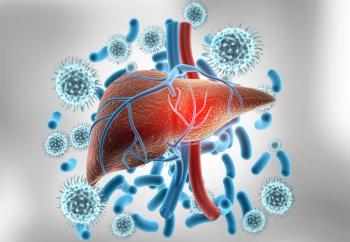
Efruxifermin is undergoing 3 phase 3 clinical trials to evaluate its safety, efficacy, and tolerability in metabolic dysfunction-associated steatohepatitis (MASH).

The study results build on the “obesity paradox,” which suggests that patients with cancer and obesity have better outcomes.

Nivolumab plus ipilimumab demonstrated a 38% reduction in the risk of disease progression or death.