

The approval of irinotecan liposome offers an improved first-line treatment option for individuals diagnosed with metastatic pancreatic adenocarcinoma.
The approval of irinotecan liposome offers an improved first-line treatment option for individuals diagnosed with metastatic pancreatic adenocarcinoma.

Iloprost had also received Priority Review and Orphan Drug Designations for this indication, and FDA approval in 2004 for the treatment of pulmonary arterial hypertension.

Researchers will continue to research how lantibiotic’s antimicrobial effects can be harnessed for good.

Continued doses of denosumab reduced the incidence of diabetes by more than 1000 patients compared to an initial dose alone.

Peer Reviewed
This review summarizes current utilization of anti-HER2 targeted therapy across several non-breast solid tumors in the setting of advanced disease.

In a projective model, tirzepatide saved patients more than $15,000 per quality-adjusted life-year.

Despite the growth in vaccine and antibody development for combatting RSV, lower income countries may not reap the benefits.

In this model, community pharmacists deliver all aspects of treating HCV infection in individuals who inject drugs.

Repotrectinib led to a durable anti-tumor response in patients with NTRK-positive locally advanced or metastatic solid tumors.

This accreditation allows pharmacists to give diabetes education to patients with Medicare and receive Medicare reimbursement.

These disorders can be fatal, making pharmacists’ role in detection crucial.

Black History Month provides a reminder of the systemic barriers facing many Americans

Progression-free survival in the ixazomib/pegylated liposomal doxorubicin/dexamethasone group was shorter than in the ixazomib/lenalidomide/dexamethasone group.
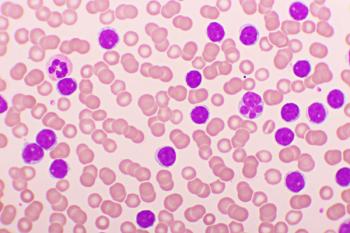
The results indicate promising rates of complete response, manageable adverse events, and dose-dependent exposure in both dose groups.

Mouthwash that contains chlorhexidine gluconate was especially effective at improving hyperglycemic status in younger patients with diabetes.

The findings suggest that 6 months after vaccination with ARCT-154, individuals had a longer immune response.

Cardiac Solutions, a physician-owned practice specializing in personalized treatment plans, used RevUp Remote Patient Monitoring and Chronic Care Management to achieve these cardiovascular readmission rates.

If approved, this would mark the first MDMA-assisted therapy and psychedelic-assisted therapy approved, calling for a reschedule of MDMA from Schedule I. A PDUFA was set for this summer.

Pharmacists are uniquely positioned to play a frontline role in advancing health equity. This will require, however, that we build the pipeline of future pharmacists and preserve vital community touchpoints.

Fouad Atouf, senior vice president of global biologics at US Pharmacopeia, discusses how established quality standards, drawing from the realm of small molecule drugs and evolving to meet the complexities of biologics, play a pivotal role in fostering trust.
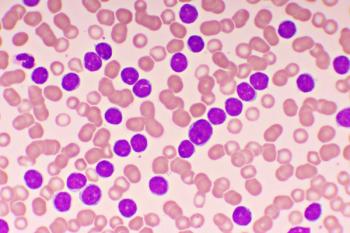
Treatment options are distinct in their mechanisms, safety profiles, and implications for patients’ quality of life.

Up-front payments to pharmacies will be significantly lower starting this year, creating cash flow challenges

The updated indication for the respiratory syncytial virus vaccine is for adults aged 50 to 59 with underlying conditions who are at an increased risk of contracting the virus.

The vitamin improved lipid metabolism to slow the progression of the disease.

Bepirovirsen is a triple action investigational antisense oligonucleotide and is being evaluated in the B-Well phase 3 clinical trial program for the treatment of chronic hepatitis B.

Despite the tool’s ability to predict efficacy of sertraline in patients with major depressive disorder, the investigators note that future research will seek to improve the algorithm.

The FDA approval marks the first and only FDA-approved oral therapy for this patient population, and the drug is expected to be available by the end of February.

AI can pair people to foods that are best suited for their unique needs, according to a food-as-medicine entrepreneur.

The Medicare Modernization Act of 2023 provided pharmacy benefits to tens of millions of older and disabled Americans and created an unsustainable reimbursement model

In addition to improved progression-free survival, patients treated with this regimen also showed improved complete response or stronger and were minimal residual disease-negative.