

A large analysis found that measurable declines in processing speed, global cognition, and executive function began up to 8 years before a cardiovascular event.
A large analysis found that measurable declines in processing speed, global cognition, and executive function began up to 8 years before a cardiovascular event.

Emerging evidence surrounding GLP-1 receptor agonists and progestin therapies could influence preventive care strategies and endometrial cancer risk reduction in high-risk patients.
Jennifer Goldman, PharmD, CDCES, BC-ADM, FCCP, discusses how continuous glucose monitoring (CGM) technology and automated insulin delivery systems are transforming pharmacists’ roles.

Pharmacy Times interviews Helen Latimer, MPH, about new real-world data examining racial disparities and evolving trends in HRR genetic testing among patients with metastatic prostate cancer and the implications for equitable access to precision oncology care.
Natalie Bellini, DNP, FNP-BC, BC-ADM, explains why continuous glucose monitor (CGM) persistence so often breaks down after initiation and how pharmacists can intervene at the point of dispensing.

Kunz Coyne expresses interest in antimicrobial stewardship discussions at the joint MAD-ID/SIDP meeting as clinicians continue refining their role in practice.

The FDA approved baxdrostat based on meaningfully positive results from the phase 3 BaxHTN trial.
The FDA approved 2 new indications for fam-trastuzumab deruxtecan-nxki in HER2-positive early-stage breast cancer, expanding its use in both neoadjuvant and adjuvant settings.

Minimizing sedation, cognitive impairment, and addiction risk are key priorities.
Rapid insulin discontinuation occurred with tirzepatide 2.5 mg weekly in long-standing type 2 diabetes, demonstrating a low-dose responder phenotype and pharmacist-led CGM-guided deprescribing.
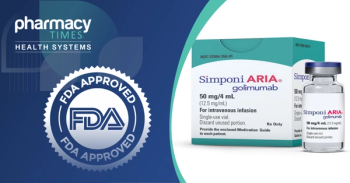
FDA approval clears interchangeable golimumab biosimilars for rheumatoid arthritis and ulcerative colitis, promising lower-cost TNF therapy.
As pharmacies expand into offering immunizations and other clinical services, the rules for the Part B medical side have moved away from the traditional pharmacy side.

Six-year follow-up data from the SEQUOIA trial showed that zanubrutinib provided durable PFS and strong long-term outcomes in treatment-naïve CLL/SLL.

Pharmacists lead antifungal and antibiotic stewardship beyond hospitals, using rapid diagnostics, vaccines, and equity to curb resistance.

Pharmacists must balance the lifesaving automation of advanced technology with the harsh reality of a high-cost, high-risk transition.

Pharmacists can counter misinformation on SSRIs with evidence-based antidepressant guidance, safe tapering advice, and patient-centered depression care.
Pharmacy technicians are vital to obesity care, improving access, adherence, and patient engagement in increasingly complex treatment pathways.
A landscape overview of enfortumab vedotin’s expanding role across bladder cancer settings—from MIBC to earlier lines of therapy—with a focus on pharmacist-led patient support, AE management, and real-world implementation.
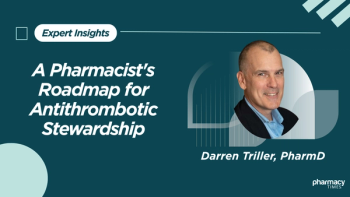
Darren Triller, PharmD, walks through the relative ease and impact of each of the 5 ADAPT priority areas, makes the case for dashboard-driven population health management.

Efficacy and safety were evaluated in the phase 3 IMvigor011 trial.

Clinical pharmacists Andrew Willeford and Laura Velazquez explore the paradigm shift in oHCM management, highlighting best practices for pharmacist-led clinical workflows in health-system practice.
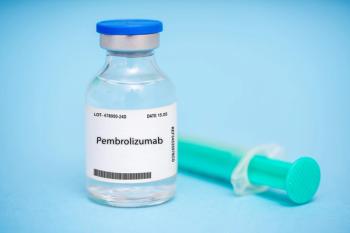
Neoadjuvant pembrolizumab in colorectal cancer delivers durable, relapse-free outcomes presurgery, with ctDNA blood tests helping to predict responders.
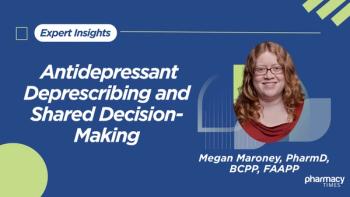
Maroney discussed the pharmacist’s role in patient education, safe medication management, and incorporating broader treatment strategies into individualized mental health care plans.
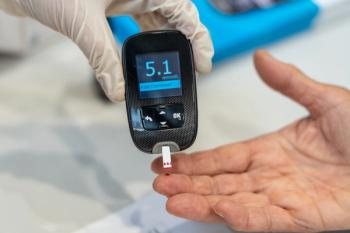
FDA Recall targets True Metrix blood glucose monitoring systems after E-5 errors risk mistreating diabetes; updated guidance helps patients, pharmacists prevent harm.

A single dose of psilocybin produced rapid and clinically meaningful reductions in depressive symptoms in patients with major depressive disorder.
FDA approves benralizumab for hypereosinophilic syndrome, driven by NATRON phase 3 clinical trial data showing fewer flares and improved fatigue.

The ruling comes after weeks of uncertainty for patients, health care providers, and pharmacists about how and whether they could access and distribute the drug.

Laughing gas misuse is surging as nitrous oxide drug abuse spreads online

Phase 3 SCORPIO-PEP trial shows ensitrelvir cuts symptomatic COVID-19 after household exposure, boosting postexposure prophylaxis options for high-risk patients.
This week’s episode covers Marty Makary’s resignation as FDA commissioner, evolving hepatitis B vaccination efforts, and new FDA approvals in asthma and precision oncology.