

The Annual Meeting Highlighted Emerging Research on Hormone Therapy, Brain and Heart Health, Disparities in Menopause Care, and the Expanding Role of Pharmacists
The Annual Meeting Highlighted Emerging Research on Hormone Therapy, Brain and Heart Health, Disparities in Menopause Care, and the Expanding Role of Pharmacists

Two experts discuss sessions that covered perimenopause, premature ovarian insufficiency, GLP-1–based treatments, and the health needs of Indigenous and Hispanic women.

Explore the impact of GLP-1 medication on weight loss in menopausal women, highlighting the need for personalized treatment approaches.
Pharmacists play a crucial role in supporting women through menopause, offering education on treatments, side effects, and long-term health management.
Pharmacists explore estrogen replacement therapy for young women with POI, discussing safe options and alternatives for managing menopause symptoms.

Explore the role of pharmacists in managing menopause-related vasomotor symptoms with innovative non-hormonal therapies like Elinzanetant.

Explore effective non-hormonal treatment options for menopause-related vasomotor symptoms, including hot flashes and night sweats, with insights from pharmacists.
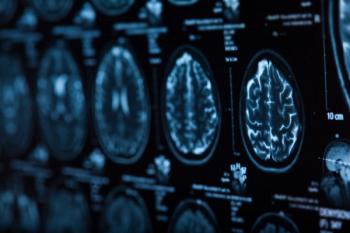
Research highlights the link between earlier menopause, cardiac function, and brain health, emphasizing the need for sex-specific dementia risk strategies.

Research highlights the impact of provider type on menopause treatment, revealing a need for standardized education to improve care quality for women.
Elinzanetant, the first FDA-approved nonhormonal treatment for menopause-related vasomotor symptoms, offers women a new, effective relief option.
Explore the promising data on elinzanetant for managing menopause-related vasomotor symptoms, highlighting its tolerability and minimal side effects.


The authors wrote that their findings show a necessary update following early data from the Women’s Health Initiative.

Further research is needed to better understand which characteristics may better predict who are more likely to benefit from estrogen-based menopausal hormonal therapy (MHT) for anxiety.
Elinzanetant shows promise as a new treatment for menopause-related vasomotor symptoms, offering rapid relief and a favorable safety profile.

New clinical trial results suggest G-CSF as a promising alternative for managing hot flashes in menopausal women, without the risks of traditional therapies.

Research highlights the impact of sleep disturbances and vasomotor symptoms (VMS) on HRQoL in women transitioning to menopausal period, emphasizing the need for effective management.
Explore how pharmacists can better support indigenous and Hispanic women during menopause through culturally sensitive care and family involvement.
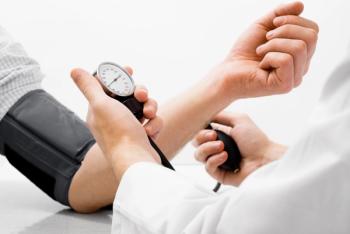
When treating vasomotor symptoms (VMS), 15- and 20-mg doses of estetrol (E4) did not significantly hinder postmenopausal women’s blood pressure, including those with cardiovascular risks.

New research reveals how menopausal hormone therapy impacts cognitive health in postmenopausal women, highlighting the importance of administration routes and estrogen types.

Elinzanetant was effective in women with low vasomotor symptom (VMS) burden and those with endocrine therapy-caused VMS.
Compared with late postmenopausal women, menopausal hormone therapy (MHT) may influence certain Alzheimer disease-related biomarkers in early postmenopausal women.