
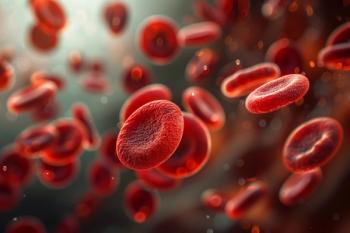
Single-cell findings presented at EHA 2026 identify B cells as potential drivers of immune dysregulation in acquired hemophilia A.
Single-cell findings presented at EHA 2026 identify B cells as potential drivers of immune dysregulation in acquired hemophilia A.
Minimal residual disease (MRD) negativity exceeded 90% with 100% response and no progression in patients with treatment-naive chronic lymphocytic leukemia/small lymphocytic lymphoma (CLL/SLL).
Fixed-duration pirtobrutinib plus venetoclax-rituximab reduced the risk of progression or death by 45% and achieved higher undetectable MRD rates than venetoclax-rituximab alone.
Data showed that talquetamab combined with daratumumab, with or without pomalidomide, significantly improved PFS, OS, response rates, and MRD negativity.
Data presented at EHA 2026 showed that epcoritamab significantly improved progression-free survival and complete response rates compared with standard chemoimmunotherapy in patients with relapsed or refractory (RR) large B-cell lymphoma (LBCL).
European Hematology Association 2026 data show sonrotoclax plus zanubrutinib drives rapid, durable undetectable minimal residual disease in frontline chronic lymphocytic leukemia, even in patients with TP53 mutations and 17p deletions.
Data presented at the 2026 European Hematology Association Congress continue to support venetoclax plus obinutuzumab as a first-line treatment for patients with chronic lymphocytic leukemia.
Julio C. Chavez, MD, MS, discusses the distinct pharmacologic profile, clinical activity, and outpatient potential of golcadomide plus rituximab in relapsed/refractory follicular lymphoma, highlighting its selective cereblon modulation, fixed-duration dosing, and promising efficacy in heavily pretreated patients.
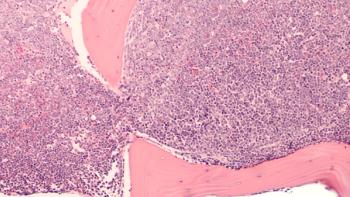
Julio C. Chavez, MD, MS, discusses updated data from the European Hematology Association (EHA) 2025 Congress on the investigational oral CELMoD agent golcadomide (GOLCA) plus rituximab in relapsed/refractory diffuse large B-cell lymphoma (R/R DLBCL).
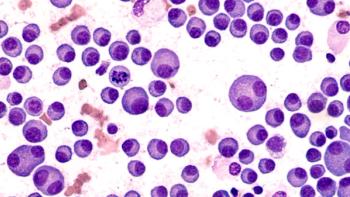
Sundar Jagannath, MD, discusses how prophylactic tocilizumab reduced cytokine release syndrome incidence and severity with talquetamab in relapsed or refractory (R/R) multiple myeloma.
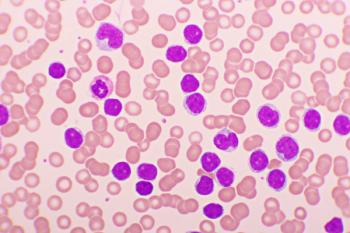
Andrew H. Wei, PhD, discusses phase 1b findings on the safety, pharmacokinetics, and preliminary efficacy of combining the menin inhibitor bleximenib with venetoclax and azacitidine in patients with newly diagnosed or relapsed/refractory acute myeloid leukemia (AML) harboring NPM1 mutations or KMT2A rearrangements.
Franck Morschhauser, MD, PhD, discusses the novel cereblon-dependent bifunctional degrader BMS-986458, highlighting its selective targeting of BCL6, promising early efficacy in relapsed/refractory lymphoma, favorable safety profile, and future potential in combination regimens and earlier treatment lines.

Jose Tinajero, PharmD, BCOP, discusses the results of a retrospective study evaluating patients with B-cell acute lymphoblastic leukemia.
Omar Nadeem, MD, discusses positive outcomes associated with GPRC5D-targeted CAR T-cell therapy.

Follow-up data reveal 10-year impact of ibrutinib in treatment of patients with chronic lymphocytic leukemia or small lymphocytic lymphoma (CLL/SLL).
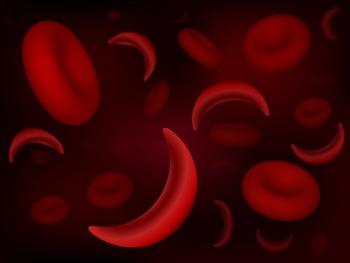
These findings build off research from March 2023 that demonstrated efficacy and safety of renizgamglogene autogedtemcel in patients with sickle cell disease.
Compared with standard of care chemoimmunotherapy, acalabrutinib with bendamustine and rituximab reduced risk of death or disease by approximately 27%.
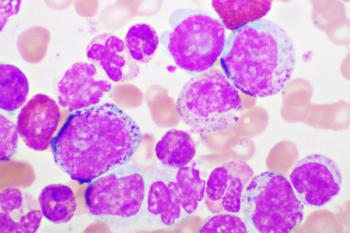
Asciminib demonstrated stronger efficacy, safety, and tolerability, as well as less adverse events in patients compared with those who received investigator-selected standard-of-care tyrosine kinase inhibitors.