

Pharmacists enhance health care delivery by managing medication refills, addressing drug shortages, and supporting chronic disease management.
Pharmacists enhance health care delivery by managing medication refills, addressing drug shortages, and supporting chronic disease management.

Pharmacists enhance migraine management by providing personalized care, navigating treatment options, and addressing comorbid conditions for better patient outcomes.
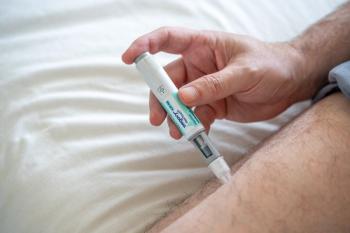
GLP-1 receptor agonists show potential in reducing alcohol cravings and addiction behaviors, offering hope for treating substance use disorders.

UCSF pharmacists unveil an AI tool, Foghorn, enhancing investigational drug trials by streamlining processes and minimizing delays in drug development.

Sarah J. Billups, PharmD, highlights the disconnect between medication adherence metrics and actual patient outcomes, urging a reevaluation of adherence measures in health care.

Prateek Bhatia discusses optimizing staffing and workflows in infusion centers to enhance patient care and reduce delays in treatment.

IV compounding robotics and next-generation dispensing technology enhance pharmacy workflows, boost staff engagement, and improve patient care outcomes.

Pharmacists are crucial in combating opioid use disorder, enhancing treatment options, and reducing drug overdose deaths linked to fentanyl.

Clinicians learn to optimize type 2 diabetes treatment using automated insulin delivery data, enhancing patient safety and education for effective management.

Experts discuss innovations in medication-use processes at the ASHP Midyear Meeting, highlighting trends in acute and ambulatory care for pharmacy leaders.

A pharmacist-led deep vein thrombosis (DVT) clinic revolutionizes outpatient care, reducing emergency visits and costs while enhancing medication adherence through collaborative practices.

Prateek Bhatia discusses optimizing infusion operations through technology, data analytics, and patient journey understanding at the ASHP Midyear Meeting.

Pharmacy leaders at ASHP Midyear 2025 highlight urgent concerns about future uncertainties and preparedness for crises impacting health systems and patient care.

Diana Isaacs, PharmD, highlights evolving criteria for insulin pump therapy in type 2 diabetes.

Ginger Thorpe discusses how in-house specialty pharmacy models enhance patient care, streamline communication, and boost health system revenue amid rising demand.

Allegheny General Hospital enhances pharmacy operations through centralized, robotics-enabled IV compounding, boosting efficiency and patient care.

Prescriber incentives boost nicotine replacement therapy prescribing and enhance patient access to smoking cessation support in health care settings.

Pharmacists debate the effectiveness and ethics of GLP-1 agonists for pediatric obesity, highlighting the need for balanced treatment approaches.

Pharmacy leaders navigate complex compliance challenges, budget constraints, and evolving technology to enhance safety and efficiency in compounding practices.

IV compounding robotics enhance safety, reduce drug shortages, and improve efficiency in hospital pharmacies, driving a shift towards automation.

Pharmacists explore AI's transformative potential, evaluating its applications and ensuring ethical integration to enhance patient care and pharmacy operations.

Pharmacists leverage sodium-glucose cotransporter 2 (SGLT2) inhibitors to improve interconnected cardiovascular-kidney-metabolic (CKM) syndrome outcomes through holistic, patient-centered care.

Economic factors are driving sterile injectable drug shortages, but collaborative strategies can enhance health care industry resiliency.

Pharmacists can enhance patient care through integrated treatment strategies.

Specialty pharmacy services are helping improve IBD care by supporting patient education, access, and confidence in biosimilars

Pharmacists play a vital role in preventing maternal and neonatal mortality by understanding pregnancy-specific medication needs and emergency care strategies.

Rural hospitals face a crisis, but pharmacists can expand services to alleviate the uninsured patient burden and enhance community health.

Pharmacist-led refill authorizations enhance outpatient care, reduce physician burnout, and streamline pharmacy management in health systems, improving patient satisfaction.

Emerging pharmacy trends will be highlighted at the American Society of Health-System Pharmacists (ASHP) Midyear 2025, including AI innovations, GLP-1 therapies, and evolving geriatric and neonatal care.

Jennifer Clements, a clinical professor and the director of pharmacy education at the University of South Carolina, discusses the pharmacists role in diabetes care.