

Real-world data reveal that moderate to severe depression is linked to poor control and adherence, and women are more likely to be impacted.
Real-world data reveal that moderate to severe depression is linked to poor control and adherence, and women are more likely to be impacted.
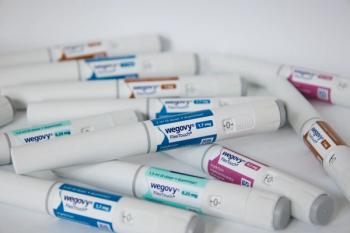
GLP-1 receptor agonists may reduce asthma flare-ups in nondiabetic adults with obesity, hinting at anti-inflammatory benefits.

New AAAAI data spotlight oral remibrutinib for CSU, next-generation peanut allergy therapies, infant microbiome prevention, and GLP‑1 receptor agonists linked to fewer asthma flares.
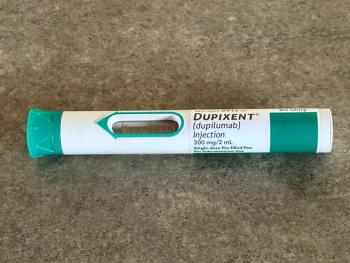
VOYAGE trial data show dupilumab improves pediatric asthma control and lowers exacerbations versus placebo, with higher remission and lung function gains earlier.

Wildfire smoke exposure increases asthma morbidity, underscoring the pharmacist’s role in medication preparedness and patient education.
Phase 2 trial data support the safety and efficacy of remibrutinib in adults with peanut allergy.
Emerging skin lipid biomarkers precede atopic dermatitis and food allergy, emphasizing barrier restoration as a key therapeutic target for pharmacists.
Remibrutinib is the first oral advanced therapy for adults with chronic spontaneous urticaria (CSU) who remain uncontrolled on high-dose second-generation antihistamines.

Data show the peanut allergy sublingual immunotherapy (SLIT) tablet is well-tolerated across ages, offering promising sublingual immunotherapy desensitization with manageable adverse effects.

AAAAI 2026 highlights STMC-103H live biotherapeutic, showing reduced atopic disease risk in at-risk infants—potentially an early microbiome intervention for atopic dermatitis and food allergy.

Careful history, adherence support, and proper medication technique are central to diagnosing and managing chronic cough in children.

Social determinants of health and environmental exposures during extreme weather events worsen asthma outcomes.
![Patient with hives (chronic spontaneous urticaria [CSU]) -- Image credit: suriya | stock.adobe.com](https://cdn.sanity.io/images/0vv8moc6/pharmacytimes/f7c28cd2ba0b3498c4a0de7219e357228265f4ac-5472x3648.jpg?w=350&fit=crop&auto=format)
Remibrutinib, an oral Bruton tyrosine kinase inhibitor for chronic spontaneous urticaria (CSU), delivers itch and hive relief within 12 hours and sustains improvements through week 1.
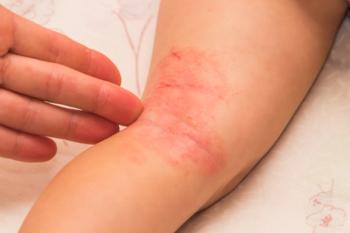
Data presented at AAAAI 2026 show tapinarof cream improves sleep for children as young as 2 years with atopic dermatitis, easing nighttime disruption.

Approximately 74% of patients with chronic rhinosinusitis with nasal polyps receiving depemokimab across 2 trials did not need additional intervention.
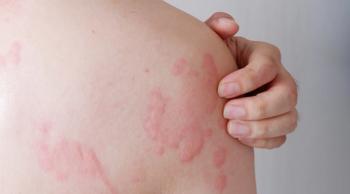
Although the 16-week end point was not met, tezepelumab demonstrated meaningful effects in patients with chronic spontaneous urticaria (CSU) after 32 weeks.

Efficacy and tolerability of topical treatments can vary by region, particularly sensitive areas such as the face and neck.

Tezepelumab demonstrated efficacy compared with placebo when treating patients with chronic rhinosinusitis with nasal polyps.
At week 8, significantly more children, adolescents, and adults who applied 1.5% ruxolitinib cream versus vehicle achieved IGA treatment success.

Patients with hereditary angioedema who received sebetralstat earlier had faster complete resolution of their attacks.

Detailed findings will be presented at the American College of Allergy, Asthma & Immunology (ACAAI) Annual Scientific Meeting.

The data comes from 2 phase 4 trials, ENABLE and EMPOWER, which evaluated lanadelumab and the outcomes of treatment in adolescents with hereditary angioedema.