



Top news of the day from across the health care landscape.
Top news of the day from across the health care landscape.

Top news of the day from across the healthcare landscape.

A developmental live-attenuated Zika vaccine showed complete protection from the virus in mice after a single vaccination dose, according to new research published in Nature Medicine.1

The study population consisted of 148,981 infants born in Kaiser Permanente hospitals in Northern California from 2006-2015. The percentage of infants whose mothers received Tdap during pregnancy increased from less than 1% in 2006-2008, to nearly 12% in 2010, and over 87% by 2015.

Top news of the day from across the health care landscape.
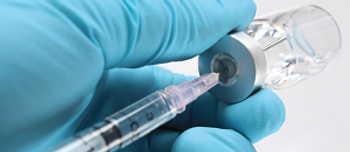
With updated guidelines for the immunization of adults 19 years or older in the United States published in February 2017, it is important for pharmacists to be aware of recommended vaccines, the contraindications for administering certain vaccines, and the populations of patients who are eligible for receiving vaccines.

Pharmacists are changing the face of public health, and the nation’s thought leaders have taken notice.
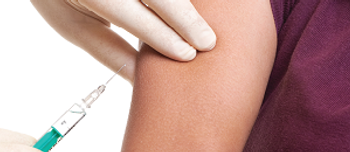
In the United States, vaccine-preventable diseases cause tens of thousands of deaths each year.

Vaccines are one of the most effective and successful public health tools to prevent disease, illness, and premature death.

As of February 7, 2017, immunization recommendations for adults 19 years or older have been updated by the Advisory Committee on Immunization Practices

Among the many treatments for diseases, vaccines are the safest and most cost-effective form of preventive medicine in the United States.

The appearance of Zika virus in the United States has accelerated the search for a vaccine.

Adults who receive vaccination reimbursement through an employer-sponsored pharmacy insurance benefit may be more likely to receive vaccinations, according to data revealed in a poster presentation at the American Pharmacists Association (APhA) 2017 Annual Meeting & Exposition in San Francisco.

Safety and efficacy of DS-Cav1 will be explored in healthy adults.
As we emerge from peak flu season, this year’s challenges highlight the importance of vaccination and pharmacists’ contribution to it.

An investigational Ebola vaccine showed promising results in an early-stage study, in which an induced immune response persisted in adult participants for nearly 1 year after receiving the vaccination.

As the number of mumps cases increase across the country, Rite Aid pharmacists in 28 states and the District of Columbia stand ready to administer the measles, mumps, and rubella vaccine.

A recent study investigated parental attitudes toward their child receiving a flu vaccine and its negative influence on vaccination rates.

Genital herpes is associated with increased risk of HIV transmission.

Top articles of the week on Specialty Pharmacy Times.

A regulatory protein that weakens the immune response to viral RNA presents a new treatment target for cancer.

Targeting the immune response to cancer may lead to new immunotherapies.
Scientists continue to pursue the development of an HIV cure.
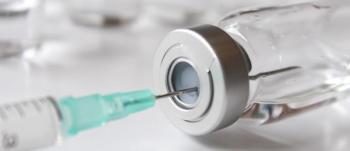
Since November 2015, approximately 25% of adults who receive annual seasonal influenza vaccination are immunized in pharmacies or retail health care settings.

A bad influenza season might call for higher-dose flu vaccines in older adults.