























































































Risk of HIV transmission is higher in the acute phase than the chronic one.
Risk of HIV transmission is higher in the acute phase than the chronic one.

The pharmacist's role as a disease educator is moving to the forefront.

Commonly cited estimates on how easily newly infected patients transmit HIV may be vastly overstated.
Nearly half of all infected patients not receiving medical care.

Study finds HIV-1 viral loads decreased following treatment with Valtrex.
A drug typically used to treat herpes may reduce HIV-1 levels, even in those who don't have herpes.

More than 90% of HIV transmissions originate from undiagnosed and untreated individuals. On the other hand, those retained in medical care who have achieved viral suppression are 94% less likely to transmit HIV.

Scientists seek to create powerful defense system that will both attack the virus and prevent infection.

Study evaluates how antiretroviral therapy effects gut microbiota.
Post-exposure prophylaxis has proven to be effective.

New drugs help prevent needless HCV-related deaths.

The new Gardasil vaccine protects against 9 different strains of the virus.
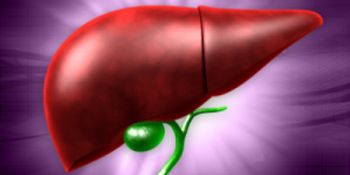
Interferon-free, all-oral drug regimens result in high rates of sustained virologic response for patients co-infected with hepatitis C virus and HIV.

Mortality rates also affected by age and poor nutrition.

Study finds that 61 to 82% of patients treated with experimental drug achieved undetectable viral replication levels.

Preventing exposures to blood and body fluids is critical to preventing occupationally acquired HIV.

Experimental drug found to be so powerful and universally effective, it may lead to an unconventional vaccine.
A new drug candidate developed by scientists from more than a dozen research institutions may function as an effective HIV-1 vaccine.

Multiple strains of HIV recombine into new variant.
Researchers develop method to identify drug resistance mutations in viremic and suppressed patients.



Patients with hepatitis C benefit from a collaborative approach that involves specialty pharmacists and other care providers working with patients to promote patient engagement, adherence to therapy, and management of comorbidities.

In 2014, the FDA approved notable new therapies for the treatment of cancer, bleeding disorders, inflammatory conditions, cystic fibrosis, pulmonary fibrosis, HIV, hepatitis C, multiple sclerosis, angioedema, and other conditions.