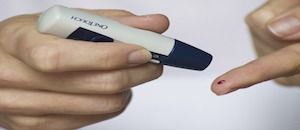

































































































Mice treated with a repurposed diabetes medication performed better on learning and memory tests.
Mice treated with a repurposed diabetes medication performed better on learning and memory tests.

According to a 2009 Harvard study, 62% of all bankruptcy was a direct result of medical debt.
Be proud of what you do every day.

More than one-third of metformin doses are not taken by patients with type 2 diabetes.

Top news of the day from across the health care landscape.

Top news of the day from across the health care landscape.

Immunotherapy may reverse type 1 diabetes.

Ertugliflozin (Steglatro) is also approved as part of 2 fixed-dose combinations.
Abbott has released its newest system for type 1 and 2 diabetes.

Now that Eli Lilly is looking to create a closed-loop system for diabetes management, does that mean this product will soon be available?

The cornerstone of working with patients is sharing decision-making and presenting information in a way that helps patients understand the risks and benefits of various choices.
HMG-CoA reductase inhibitors are a class of lipid-lowering medications. Here is a look at guidelines and studies for health care professionals.

Top articles of the week from The American Journal of Pharmacy Benefits.

Liver cancer is the most common cancer caused by diabetes and obesity.

Ademlog (insulin lispro injection) approved to control blood glucose levels among patients with diabetes.
Updated diabetes treatment guidelines address the use of the medications with potential cardiovascular benefit.
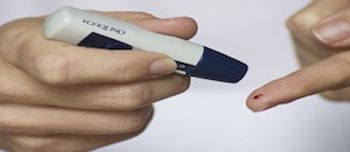
The American Diabetes Association (ADA) has released their annual Standards of Medical Care in Diabetes for 2018, highlighting several updated recommendations for diabetes care and management.
Top articles of the week from The American Journal of Pharmacy Benefits.

PD-L1-based immunotherapy observed to elicit long-lasting diabetes reversal in mice.

Diabetics using continuous glucose monitors were more aware of their blood sugar levels.
Top news of the day from across the healthcare landscape.
Top news of the day from across the health care landscape.
Patients with diabetes are significantly more likely to develop cardiovascular disease than nondiabetic patients.
The FDA issued approval to semaglutide injection (Ozempic) for type 2 diabetes.