
































































































The research found that obese patients with diabetes were significantly less likely to develop pancreatic cancer if they had undergone bariatric surgery, with the majority of the patients in the study being female.
The research found that obese patients with diabetes were significantly less likely to develop pancreatic cancer if they had undergone bariatric surgery, with the majority of the patients in the study being female.
Insulin prices are 8 times higher in the United States than 32 other high-income countries combined.

Integrating specialty pharmacy staff into oncology, neurology, rheumatology, and other specialty clinics within their health systems is a growing trend with a range of beneficial outcomes.
The Rare and Atypical Diabetes Network (RADIANT) plans to screen approximately 2000 people with unknown or atypical forms of diabetes that do not fit the common features of type 1 diabetes (T1D) and type 2 diabetes (T2D).
Two groups of medications that are generally prescribed to treat type 2 diabetes have been found to reduce risks associated with chronic kidney disease and cardiovascular disease.

Inflammation caused by rheumatoid arthritis may increase the risk of type 2 diabetes.
Children with a previous diabetes diagnosis showed lower performances compared with newly diagnosed children, suggesting that the deficits may worsen over time.

Researchers at Duke University have found that the efficacy of a 2-pronged type 2 diabetes (T2D) treatment increases when the drugs are linked by a heat-sensitive tether rather than simply being concurrently administered, according to a press release.
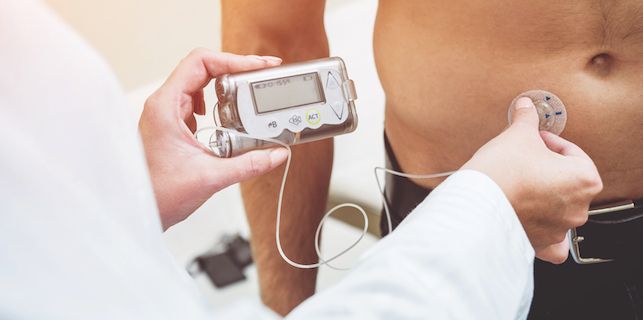
In recent years, many improvements have been made in the continuous glucose monitoring arena for individuals with diabetes, and there are more products on the horizon.
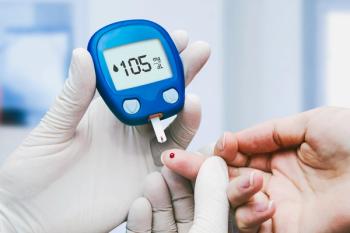
A simple test may be a low-cost way of identifying patients at-risk for type 2 diabetes.
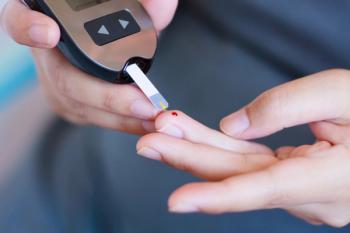
Weight loss may be able to prevent or reverse type 2 diabetes (T2D), according to research presented at the European Society of Cardiology Congress 2020.

Using a binding agent to combine therapies can extend their benefits in treating type 2 diabetes.

Study finds that vitamin C may help improve the quality of life in people over 50 years of age.
Research suggests ketogenic and intermittent fasting diets seem to help people lose weight in the short-term, which benefits cardiovascular health.

How would you respond to these patients?

Metabolic studies have found that although pregnancy reduces the body’s sensitivity to insulin, lactation may restore it.

A simulation model of multiple designs for taxes on sugary drinks showed that each tax design would generate substantial health advantages, but certain models held more advantages than others.
There is a clear connection between the stress hormone cortisol and higher blood sugar levels in people with type 2 diabetes.

Abdominal weight gain during the postmenopausal period is associated with the use of antidepressants, beta-blockers, and insulin during the menopause transition.
Continuous glucose monitoring has revolutionized the way patients with diabetes can monitor their glucose.

Top news of the week from Pharmacy Times®.

Analysis suggests that the current diabetes screening criteria, despite covering about a quarter of US children and adolescents, do not capture many youth with hyperglycemia.

BAM15 may help reduce the amount of food a person eats or the calories their bodies absorb.

Test combines multiple factors that influence whether a child is likely to develop type 1 diabetes.

Top news of the week from Pharmacy Times®.