



Depression
Latest News
Advertisement
Latest Videos


Shorts

0:40
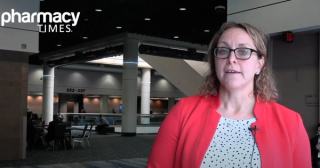
Four Questions That Can Improve Mental Health Decisions
4 months ago
by
Megan Maroney, PharmD, BCPP, FAAPP(+1 more)
Podcasts


























































































Advertisement
More News
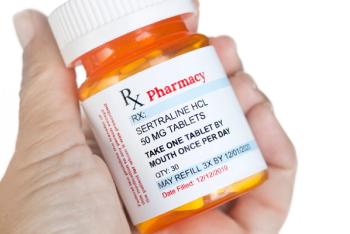
The initiatives have intensified discussion surrounding the use of SSRIs, their discontinuation, and broader approaches to mental health care.
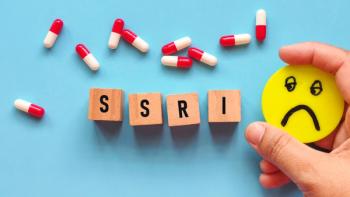
Serotonin transporter occupancy explains sertraline withdrawal symptoms and helps distinguish relapse.
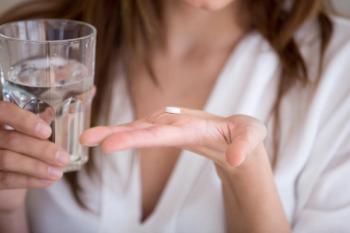
Real-world FAERS data reveal venlafaxine’s known risks plus rare late-onset events and subgroup patterns, guiding long-term prescribing.

COVID-19 significantly impacts diagnosis rates for depression, asthma, and osteoporosis, revealing health care inequities and the need for improved monitoring.

Research reveals that patients with asthma who experience symptoms of depression show elevated BDNF levels, suggesting unique biological links between asthma severity and depressive symptoms.

Discover groundbreaking FDA-approved treatments, including at-home depression therapy, new biosimilars, and culturally relevant pain relief options.

Dextromethorphan offers unique mechanisms and potential benefits over traditional antidepressants.

The study found that anxiety and depression in those with Parkinson disease were significantly associated with fatigue severity.

Recent research links depression to increased risk of Lewy body dementia and Parkinson disease, emphasizing the need for early detection and awareness.

The findings reemphasize a need for mental health support for those in the pharmacy profession.

Prolonged exposure to specific air pollution components significantly increases depression risk in older adults, highlighting the need for targeted regulations.

High levels of C-reactive protein in the blood and lower heart rate variability were linked to cardiovascular events in patients with depression, anxiety, or both.
FDA approves lumateperone as a new adjunct therapy for major depressive disorder, offering hope for those with persistent symptoms despite treatment.

The FDA approves Flow's at-home depression treatment headset, offering a new approach to managing mental health with transcranial stimulation technology.

Pharmacists can enhance patient care through integrated treatment strategies.

Depression and cardiometabolic disease share hormonal, inflammatory, and behavioral pathways requiring integrated pharmacist-led recognition and management.

Coffee Consumption May Reduce Depression Risk and Boost Mood, Offering Potential Benefits for Mental Health


The research further emphasizes the need for more attention on both chronic kidney disease (CKD) and mental health conditions.
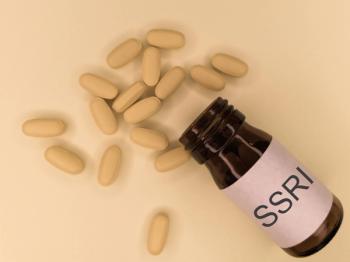
Public debate intensifies as Robert F. Kennedy Jr compares selective serotonin reuptake inhibitors (SSRIs) to heroin, prompting mental health experts to clarify antidepressant use and withdrawal misconceptions.

The authors wrote that patients with CKD who are younger than 60 years may be at a greater risk of depression.

Recent studies reveal that simvastatin does not enhance escitalopram's effects in treating depression, despite improving metabolic health in obese patients.

Careful selection of pharmacotherapy and close monitoring are crucial to ensuring safety and efficacy.

GLP-1 receptor agonists show promise in alleviating depressive symptoms in patients with type 2 diabetes, offering a potential dual benefit in treatment.

Advertisement
Advertisement
Trending on Pharmacy Times
1
New Data Reshapes Nonstatin Lipid Therapy Choices
2
Dapagliflozin in Heart Failure: Congestion Isn't the Gatekeeper
3
Ambulatory Pharmacists Convene in Boston at NEIAP's 2026 Annual Forum
4
Semaglutide Linked to Up to 40% Fewer Asthma Attacks, Real-World Data Show
5