

In the second part of his interview with Pharmacy Times, PharmD, CSP, AAHIVP, a clinical pharmacist and subject matter expert with Shields Health Solutions, discussed pharmacists’ role in HIV education and management.
In the second part of his interview with Pharmacy Times, PharmD, CSP, AAHIVP, a clinical pharmacist and subject matter expert with Shields Health Solutions, discussed pharmacists’ role in HIV education and management.

The results suggest that telemedicine could be used to help improve access for other populations that might be stigmatized, beyond hepatitis C virus and opioid use disorder.

Study investigators found that health care professionals who were assigned male at birth and practiced in the Western region of the United States were more likely to prescribe PrEP to this high-risk population.

Lisa Deschamps, CEO of AviadoBio, discusses frontotemporal dementia and AVB-101, a one-time therapy designed to stop disease progression by delivering a functional copy of the GRN gene and restoring progranulin levels in the brain.

Safe handling of hazardous drugs plays a vital role in patient care.

Launching development of SOPs and communication with wholesalers is key.
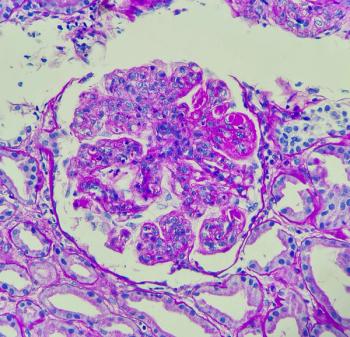
More individuals with systemic lupus erythematosus treated with anifrolumab-fnia reached remission compared to the placebo.

These facilities provide significant value to payers and patients.

Awdishu describes the implementation of new equations to accurately drug dose in patients as well as provide updated guidance on the dosing of older medications.

How patients acquire NSCLC plays a role in health outcomes, with never-smoker patients having genetically different disease than the same disease in smokers.

How pharmacy teams can remove cost barriers to cardiac care.

Paul Rainville, PharmD, CSP, AAHIVP, a clinical pharmacist and subject matter expert with Shields Health Solutions, discussed the current state of HIV in the United States
The approval marks the first new biologic treatment option for this patient population in nearly a decade.

The vice president of pharmacy operations at American Oncology Network discusses the 340B Drug Pricing Program and its growth and impact on community oncology.

The hybrid pharmacy model represents a significant step forward in providing the best possible care for individuals struggling with behavioral health conditions, ultimately improving their outcomes and overall well-being.
Vosoritide is a daily injection for children with achondroplasia who have open epiphyses, given under the skin and administered by a caregiver.

Viktor Grunwald, MD, PhD, discusses the post-hoc analysis of the phase 3 CLEAR trial investigating the combination treatment in the first-line setting for advanced renal cell carcinoma.

Compared to chemotherapy alone, amivantamab plus chemotherapy treatment with and without lazertinib had also demonstrated positive trends in OS and ORR in patients with NSCLC.

Compared to osimertinib alone, first-line treatment with amivantamab plus lazertinib was also shown to improve progression-free survival and have an increased duration of response.

Many patients face significant challenges in accessing their specialty medications, which highlights the importance of pharmacy-deployed patient navigation programs designed to help resolve nonclinical, system-related barriers to care.
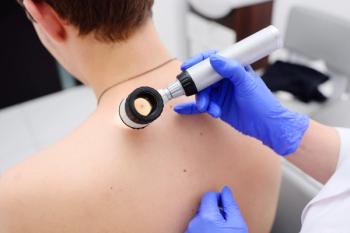
Patients with previously untreated HLA-A*02:01+ mUM saw improvements in OS, PFS, and ctDNA clearance.

Compared to placebo plus chemotherapy, nivolumab plus chemotherapy had also improved event-free survival and both pathological complete response and major pathologic response rates.

Vanderbilt Specialty Pharmacy and Takeda Oncology are reaching across silos and entering an innovative partnership to improve patient care across the entire medication journey.

According to investigators, additional research is necessary to further understand how lutetium impacts overall survival in patients with metastatic prostate cancer.
Jack Mozloom, vice president of Public Affairs at the National Community Pharmacists Association (NCPA), speaks with Matt Seiler, general counsel at NCPA, about the current PBM litigation at the 2023 NCPA Convention.

This is the first phase 3 trial to evaluate a KRAS G12C-inhibitor plus an anti-epidermal growth factor receptor antibody for this type of colorectal cancer.

The novel combination met the co-primary endpoints of progression-free survival and overall survival during the CheckMate -901 trial, also demonstrating sizeable improvement in objective response.

Oncology leaders and pharma representatives discuss collaboration best practices.

Not only did taletrectinib shrink tumors in 92% of patients who were tyrosine kinase inhibitor -naïve, but 89.5% of patients continued to respond to treatment at 12 months.

Compared to endocrine therapy alone, the combination of ribociclib and endocrine therapy lowered the risk of cancer recurrence in patients with early breast cancer by 25.2%.