

When initiated at a 15 mg dose and escalated to 30 mg, upadacitinib showed superiority compared with dupilumab, achieving Eczema Area and Severity Score (EASI) 90 at week 16.
When initiated at a 15 mg dose and escalated to 30 mg, upadacitinib showed superiority compared with dupilumab, achieving Eczema Area and Severity Score (EASI) 90 at week 16.
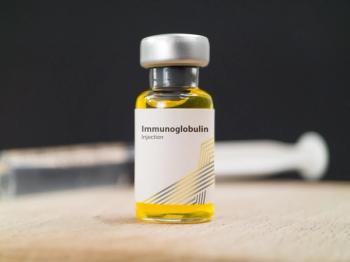
By developing the Shizuoka score, which features a new predictive model using machine learning, patients with Kawasaki disease who are non-responders to intravenous immunoglobulin were able to be accurately identified.

In the 2 mg bulevirtide (Gilead Sciences) group, 44% of individuals achieved HDV RNA that was undetectable compared with 70% in the 10 mg group.

Investigators found improvements over the placebo in metabolic dysfunction-associated steatohepatitis without worsening fibrosis across 3 dosing groups.

Many patients who took technosphere insulin saw improvements in hemoglobin A1c, but other patients saw worsening with the drug.

The UK’s Medicine and Healthcare Products Regulatory Agency (MHRA) introduced changes to streamline its drug approval processes.

Jacqueline Bainbridge from the University of Colorado discussed what it meant to one of the recipients of the 2024 Giants of MS awards.

The CATALYST trial has identified hypercortisolism as a significant factor in approximately 1.2 to 1.3 million poorly controlled diabetes patients in the United States.

Donanemab-azbt is the first and only amyloid plaque targeting therapy that supports stopping therapy when the plaque is removed.

This is the first novel, precision mechanism of action to be released to treat patients with CIDP in over 3 decades.

RCT1100 is designed to deliver DNAI1 mRNA directly to affected airways through an inhaled nebulizer and fills an urgent unmet need in the treatment of those with primary ciliary dyskinesia.

This marks the first launch of a generic glucagon-like peptide 1 receptor agonist.

Staying updated on travel vaccines and applying sunscreen are examples of summer health counseling tips

Health professionals have expressed concerns regarding consistent naming standards, the regulatory process surrounding the approval of biosimilar drugs, and the lack of education they have about biosimilars.

The historical health data collected using wearable devices can now be used as secondary endpoints in trials, allowing researchers to monitor responses in real-time without invasive procedures.

After over 2 decades, the first inhaled product with a novel mechanism of action has been approved by the FDA for the treatment of chronic obtrusive pulmonary disorder.

Teplizumab (Tzield; Sanofi) has the potential to delay type 1 diabetes and the onset of stage 3 diabetes, but must be started in stage 1 of the disease.

Semaglutide was found to have effects on glycemia, inflammation, and heart failure outcomes in sub analyses.

Based on these results, tirzepatide could be first medication approved for treatment of obstructive sleep apnea in patients with obesity.

After being previously approved in June 2023 under an Accelerated Approval process, the FDA has granted an expanded approval for non-ambulatory individuals and individuals 4 years of age or older.

The potential to optimize medication efficacy and safety across diverse populations is garnering attention in various health care settings.

Pharmacy Times will be at the American Diabetes Association (ADA) 84th Scientific Sessions in Orlando, Florida from June 21 to June 24, 2024.
Although the committee's vote is non-binding, it does raise questions about optimal evaluation of psychedelics in clinical trials.

Mim8 had a safe and well-tolerated profile, with no deaths or thrombotic events reported for patients with hemophilia A.

The new findings were presented as an oral presentation at the 2024 European Calcified Tissue Society Congress, held from May 25, 2024, to May 28, 2024.


Anti-amyloid antibody administration decreased plaque volume in clinical trials of patients with early AD, indicating that passive immunotherapies could be a promising treatment for the disease.
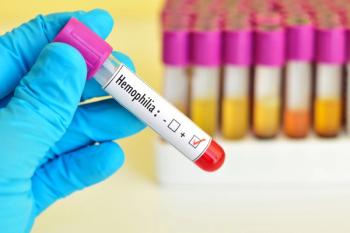
A 1-time infusion of valoctocogene roxaparvovec had demonstrated sustained bleed control and factor VIII expression in patients with hemophilia A.
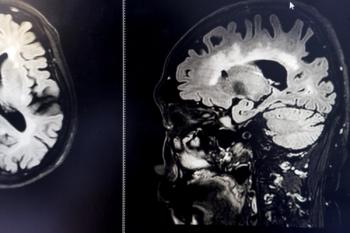
The default-mode network method, which was analyzed using functional magnetic resonance imaging scans, was approximately 80% accurate when predicting dementia up to 9 years prior to a diagnosis.

Individuals with very low- to intermediate-risk myelodysplastic syndromes treated with luspatercept (Reblozyl; Bristol Myers Squibb) achieved improvements in hemoglobulin levels.