

A panel of health care experts at Asembia’s AXS25 Summit discussed the critical need for improved patient education and resources to help navigate complex financial assistance programs and health care plans.
A panel of health care experts at Asembia’s AXS25 Summit discussed the critical need for improved patient education and resources to help navigate complex financial assistance programs and health care plans.

The Inflation Reduction Act of 2022 (IRA) drug negotiation provisions will fundamentally reshape Medicare drug pricing, provider reimbursement, and health care delivery dynamics across Part B and commercial markets, according to panelists at Asembia’s AXS25 Summit.
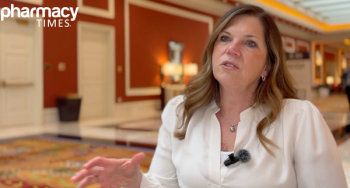
Specialty pharmacies can leverage advanced analytics, AI, and comprehensive data insights to create targeted clinical programs.

Specialty distributors provide strategic partnerships that enhance pharmaceutical manufacturers' ability to bring innovative medicines to market.
Nipocalimab the first and only FcRn blocker approved in anti-acetylcholine receptor– or anti-muscle-specific kinase adults and children with generalized myasthenia gravis.
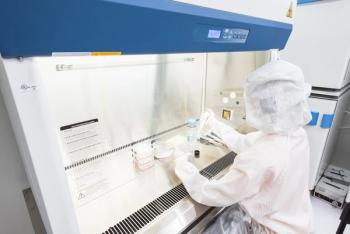
As the cell and gene therapy pipeline expands, experts at Asembia’s AXS25 Summit emphasized the need for error-proof logistics, value-based access strategies, and coordinated reimbursement models.

At Asembia’s AXS25 Summit, Shea Hudson spotlighted how pharmacists are transforming into essential clinical partners through advanced technology, patient advocacy, and value-based collaboration.
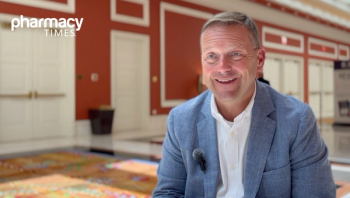
Experts emphasize the need to understand patient journeys, navigate complex value chains, and strategically match the right patients with groundbreaking therapies.
FDA approves Zevaskyn, the first gene therapy for RDEB, offering hope for effective wound healing and pain relief in patients.

Experts at Asembia’s AXS25 Summit discussed the economics of specialty pharmacy for rare diseases, addressing high treatment costs and strategies for balancing innovation.

Integrating community pharmacists into specialty pharmacy care can enhance patient access, address physician shortages, and expand pharmacists' roles in delivering high-quality clinical services, according to experts at Asembia’s AXS25 Summit.

The Asembia AXS25 Summit will include the latest news and expert insights in the specialty pharmacy field.

NS-229 is a Janus kinase 1 (JAK1) inhibitor being investigated in eosinophilic granulomatosis with polyangiitis, a rare autoimmune condition that can cause severe allergic and asthmatic symptoms through inflammation of nerve cells.

The treatment received indications as a monotherapy and in combination regimen with carboplatin or cisplatin and gemcitabine.

A study reveals IVIG treatment shows no significant benefits over tocilizumab for severe COVID-19, highlighting higher adverse events and costs.
The investigators’ hypothesis is supported by phase 2 trial data in which hydronidone resulted in significant reversal of liver fibrosis in patients with chronic hepatitis B (CHB).

This component of scar tissue may have a role in kidney fibrosis for slowing disease progression and improving outcomes for patients with chronic kidney disease (CKD).

The in vivo gene editing program is designed to eliminate cccDNA and inactive integrated hepatitis B DNA.

The breakthrough designation is supported by clinical data from ongoing phase 1/2 trials.
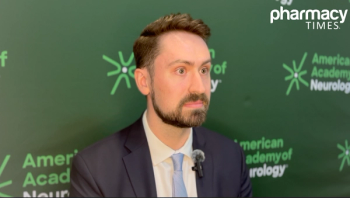
Philip Kuball, MD, neurology resident at NYU Langone Health, highlights the integral role of pharmacists in monitoring patient eligibility, managing dosing schedules, and ensuring safe medication interactions for lecanemab treatment in Alzheimer disease.
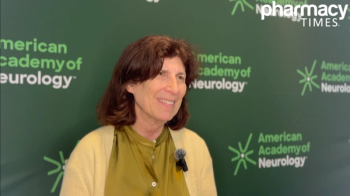
Lauren B. Krupp, MD, FAAN, provides comprehensive guidance on treating pediatric multiple sclerosis, emphasizing early intervention, high-efficacy therapies, and holistic family support.

Although the rate of coronary artery lesions decreased across both cohorts of this trial of children with Kawasaki disease, there were no differences in lesion reduction between those receiving intravenous immunoglobulin (IVIG) alone and those receiving IVIG with aspirin.

In mouse models, researchers identified that immune cells within the intestine may prevent unwarranted attacks against harmless food allergens.
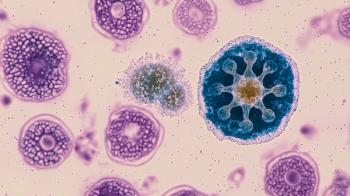
Some patients with aplastic anemia treated with CK0801 achieved durable transfusion independence lasting over 3 years.

Strategies for rescuing PTPRD function in diseased livers could provide potential therapeutic options, according to the study authors.

Peer Reviewed
The high acceptance rates of these interventions demonstrate the key role in optimizing patient care that clinical oncology pharmacists with access to medical records play.

The new indication expands administration methods for the combination of efgartigimod alfa and hyaluronidase-qvfc, which are already approved for the treatment of some immune-related conditions.

Nipocalimab with standard of care helped patients with generalized myasthenia gravis (gMG) maintain improvements in daily living and quantitative scores compared with placebo.
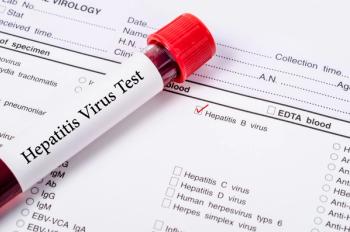
The prevalence of hepatitis D virus (HDV) antibody positivity was about 0.24% in patients with chronic hepatitis B virus (HBV).

The future holds the promise of earlier diagnosis, more targeted therapies, and personalized neurological care, said speaker William D. Freeman, MD, FAAN.