

The study will evaluate the safety, tolerability, and efficacy of the in combination in patients both with and without prior exposure to a KRASG12C inhibitor.
The study will evaluate the safety, tolerability, and efficacy of the in combination in patients both with and without prior exposure to a KRASG12C inhibitor.

Keynote speaker at the AMCP Nexus conference discusses recent FDA approvals and those scheduled over the next year.

Jeremy Graff, chief scientific officer at IMV, discusses why the development of viable cancer vaccines is a bit more slow-going in comparison to the fast-paced development of COVID-19 vaccines during the pandemic.
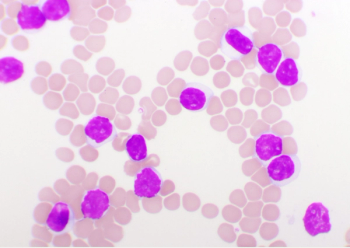
Zanubrutinib (Brukinsa) is a small molecule Bruton’s tyrosine kinase inhibitor under evaluation as a monotherapy and in combination with other treatments for various B-cell malignancies.

Women who make a difference in the industry honored on #WomenPharmacistDay.

The specialty pharmacy space can tie into public health populations through many different initiatives.

Heidi D. Finnes, PharmD, BCOP, FHOPA, president of HOPA discusses some key recommendations to women interested in pursuing leadership roles in oncology pharmacy.
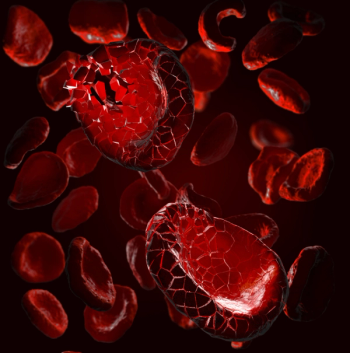
Omidubicel is a stem cell-based product that utilizes nicotinamide to inhibit differentiation and to increase the migration, bone marrow homing, and engraftment efficiency of hematopoietic progenitor cells.

Nakia Eldridge, PharmD, MBA, discussed her career, the impacts of COVID-19 on women in pharmacy, and how mentorship can pave the way for more women pharmacists.

As part of American Pharmacist Month, Pharmacy Times is asking experts what they believe the value of the pharmacist is.

This year marks the fifth annual Women Pharmacist Day after it was founded in 2018.

Selpercatinib is an oral selective RET kinase inhibitor approved for the treatment of metastatic RET fusion-positive non-small cell lung cancer and for metastatic thyroid cancer.

In a trial, sacituzumab govitecan-hziy demonstrated a 34% reduction in the risk of disease progression or death compared with physician’s choice chemotherapy.

Suzanne Soliman, PharmD, BCMAS, discusses how she will be celebrating the important contributions of women pharmacists.

As part of American Pharmacist Month, Pharmacy Times is asking experts what they believe the value of the pharmacist is.

Rucaparib is the only PARP inhibitor demonstrated to have better outcomes than a docetaxel-containing control arm, according to researchers.

QR codes are currently used in various health care settings, such as in hospitals for patient verification, but more recently for health care-related education.

For patients facing end-of-life care, psychedelic medicines may offer a chance to feel connected with themselves and others during such a difficult time.

Results from the largest head-to-head trial of programmed death receptor-1 inhibitors suggest that dostarlimab and chemotherapy could be an effective treatment option for patients with metastatic non-squamous non-small cell lung cancer.

Higher C-reactive protein levels have been linked to cognition problems among older breast cancer survivors.

Two Houston Methodist cancer researchers were granted a quarter-million dollars each to study some of the most lethal forms cancer, including triple-negative breast cancer and multiple myeloma.
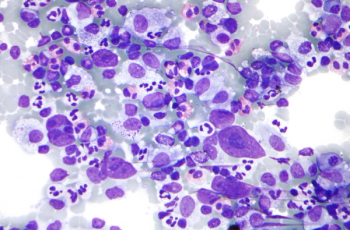
Currently available agents may reduce the need for stem cell transplantation in patients with acute lymphocytic leukemia.
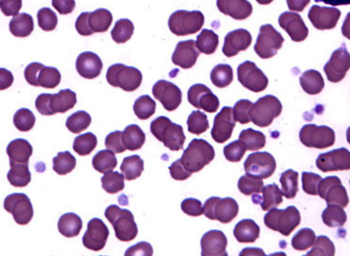
Relapses remain a challenge in treating patients with leukemia.

The FDA approved the only companion diagnostic that is indicated to assess low levels of HER2 proteins in patients with metastatic breast cancer.

An integrative efficacy score would incorporate the depth, duration, and prevalence of tumor response.

Mosunetuzumab showed promising results in complete response rate in patients with follicular lymphoma.

Futibatinib (Lytgobi, Taiho Oncology, Inc) is indicated for adult patients with previously treated, unresectable, locally advanced or metastatic intrahepatic cholangiocarcinoma harboring FGFR2 gene fusions or other rearrangements.

Pharmacy Times will be spotlighting pharmacists throughout the month of October to recognize their contributions to the health care field.

Phoenix-area Walgreens pharmacist Matthew Pruitt earns top honor as 2022 Pharmacist of the Year.
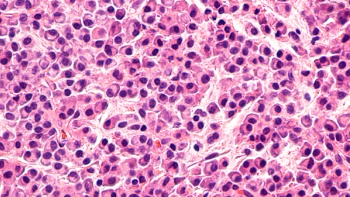
Biology and disease type may help determine which therapeutic options could work best for patients with Waldenstrom macroglobulinemia.