
Pharmacy Times interviewed Rob LaHayne, CEO of TouchCare, on what can be done now to avoid complications while administering the coronavirus disease 2019 (COVID-19) vaccine.
Pharmacy Times interviewed Rob LaHayne, CEO of TouchCare, on what can be done now to avoid complications while administering the coronavirus disease 2019 (COVID-19) vaccine.

The level of protection for the single-dose COVID-19 vaccine was 72% in the United States compared to 57% in South Africa at 28 days post-vaccination, suggesting lower efficacy against the emerging South African variant.

Data from a phase 1b/2 trial investigating the treatment of CCA with the combination of silmitasertib plus gemcitabine and cisplatin in comparison with gemcitabine and cisplatin found a statistically significant difference.
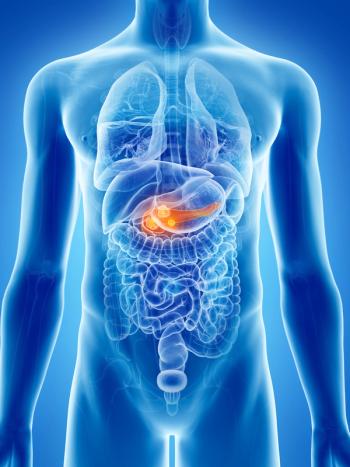
The treatment of 5-fluorouracil with levofolinate and irinotecan was found to be well-tolerated and effective as a second-line treatment for patients with gemcitabine-refractory advanced pancreatic cancer.
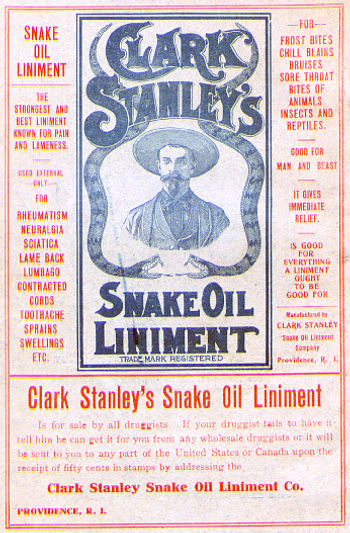
In the 1800s, snake oil was brought to the American West from China, where it was used in traditional Chinese medicine practices.
In a progress update on COVID-19 vaccine administration and testing in Walgreens pharmacies, speakers discussed the rollout and implementation of the COVID-19 vaccination process in LTC facilities.

With increasing rates of diabetes and its risk factors, the researchers emphasized the urgency of developing effective interventions.
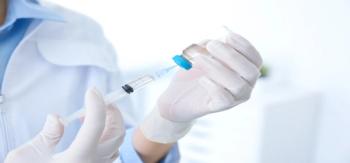
Pharmacy Times interviewed Rob LaHayne, CEO of TouchCare, on how pharmacies and other health care setting can keep their employees and patients safe as they administer the COVID-19 vaccine.

In addition to stress and burnout caused by the COVID-19 pandemic, pharmacists face threats of physical violence and online doxxing.

Observational studies have suggested that vitamin D supplementation could lower the odds of developing respiratory infections, but randomized trials have had mixed results.
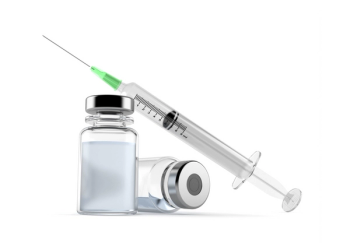
Sanofi has agreed to bottle and package at least 125 million doses of the COVID-19 vaccine BNT162b2 from Pfizer and BioNTech.
Pharmacy Times® interviewed Brian Nightengale, president of Good Neighbor Pharmacy, on the role of independent pharmacies in the country during the COVID-19 pandemic.

This week’s tip stresses that negotiation is a learned skill.

Two of the studies specifically address the concerns about the lack of women in stroke clinical trials, causing a dearth in information to ensure appropriate stroke treatment for women, which has been an issue for scientists.

Because there are multiple sources for concussion-like symptoms, student-athletes’ post-concussion care should zero in on which symptoms are specifically caused by the injury and which may be caused by other issues.

Pharmacy Times® interviewed Brian Nightengale, president of Good Neighbor Pharmacy, on how the recent SCOTUS ruling on Rutledge v. PCMA may help independent community pharmacies rebuild what may have been lost due to low reimbursement rates.

Interventions to reduce suffering, restore connections with others, and maintain safety are essential, and normalizing conversations about suicidal ideation and suicide itself is important.

The objective of this study was to determine whether age is a key factor in sex-related differences among patients who experienced a heart attack.

Data from a phase 1b/2 study investigating onvansertib as a treatment of KRAS-mutated mCRC demonstrated that 42% of patients achieved a PR and 67% demonstrated a durable response ranging from 6.1 months to 13.7 months.

This year, pharmacists’ role will continue to evolve because of, or despite, the COVID-19 pandemic.

There has been a 25% increase in food insufficiency among Americans during the COVID-19 pandemic, according to a recent study.
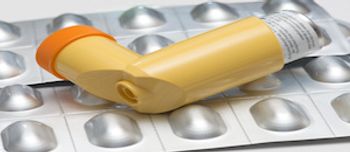
Medications can play an important role in asthma management. Therefore, adherence to medications is important to optimize treatment and improve quality of life.

In addition to communicating about COVID-19 vaccine eligibility, uses for online portals include requesting prescription refills, seeking advice on health concerns, and scheduling appointments.

HPV is the most common sexually transmitted infection, and if a high-risk infection does not go away, it can lead to the development of a variety of cancers, including 91% of all cervical cancers, 70% of oropharyngeal cancers, and cancers of the vulva, vagina, and penis and anus.

Following the release of the Biden administration’s COVID-19 response strategy, NCPA issued its support and urged the government to also consider engaging independent pharmacies in its implementation.

Amantadine, a treatment that was originally used as an agent against influenza A, lost efficacy due to viral resistance.

Pharmacy Times® interviewed Brian Nightengale, president of Good Neighbor Pharmacy, on how the recent unanimous SCOTUS ruling on Rutledge v. PCMA will impact independent pharmacies across the country.

The approach is being developed specifically as a potential treatment for the significant fraction of people with debilitating depression who do not respond to existing therapies and are at high risk of suicide.
Study finds that death was significantly less likely for type 2 diabetes subjects taking metformin, compared to those not taking metformin.
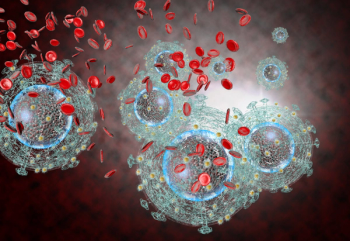
The FDA has approved cabenuva, which consists of rilpivirine and cabotegravir, for treating HIV-1 infection in adults. This therapy is the first once-monthly, long-acting injectable to be approved for the treatment of HIV.