
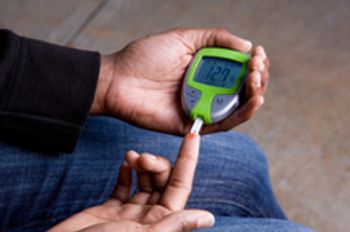
A continuous glucose monitoring system may allow patients with type 1 diabetes to have longer periods in target glucose levels and decrease the risk of complications from hyperglycemia.
A continuous glucose monitoring system may allow patients with type 1 diabetes to have longer periods in target glucose levels and decrease the risk of complications from hyperglycemia.
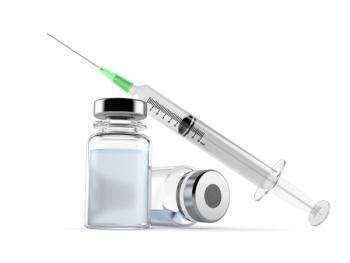
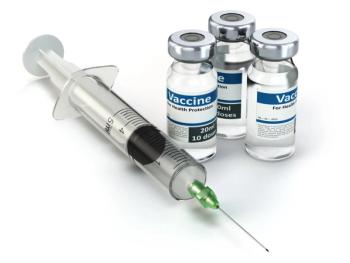
The vaccine is in a ready-to-use liquid formulation in a vial containing 10 doses, with the vaccination regimen calling for a pair of 0.5 ml doses administered intramuscularly 21 days apart.

Many people wanted life to feel normal during the COVID-19 pandemic; however, this reason, among many, resulted in people not adhering to public health measures in the United States.

In a panel, pharmacy technicians across the world discuss the importance of pharmacy technicians and how they plan to celebrate National Pharmacy Technician Day.

National Pharmacy Technician Day takes place October 18, 2022.

Health care is inherently human, so digital health care technology aimed at advancing human health needs empathy to be successful.

The COVID-19 vaccine may generally increase oxygenation ability, which could lead to lower mortality in patients who are treated using invasive mechanical ventilation.

Pharmaceutical companies are looking into AI as the new method to not only reduce research and development costs, but also prevent costly errors.

As part of American Pharmacist Month, Pharmacy Times is asking experts what they believe the value of the pharmacist is.

Researchers suggest that tapering a patient’s opioid medications and allowing them to maintain a health care plan can decrease the risk of developing opioid use disorder among other negative outcomes.

New presentation offers health care providers with a more convenient, ready-to-use immunization option for the prevention of invasive meningococcal disease caused by Neisseria meningitidis serogroups A, C, Y, and W.
Because we need to be prepared and respond to future crises, making these changes permanent is a top priority for the profession of pharmacy.

As a part of the Women in Pharmacy series, Vibhuti Arya, PharmD, MPH, FAPhA, global lead, Gender Equity and Diversity Workforce Development at FIP, discusses moments that shaped her vision for her career in pharmacy.

A presentation at the AMCP Nexus conference focuses on the health care disparities and pharmacotherapy options for gender affirmation.

Presentation at the AMCP Nexus conference focuses on midterm election outlook and a plug for the Pre-approval Information Exchange Act.
This World Standards Week, Carrie Harney, JD, vice president, US Government and Regulatory Affairs at US Pharmacopeia (USP), explains how pharmacists contribute to USP’s standards setting process.

As part of American Pharmacist Month, Pharmacy Times is asking experts what they believe the value of the pharmacist is.

At month 6 post-COVID-19 infection, 123 patients received a diagnosis of type 1 diabetes (T1D) and only 72 were diagnosed with T1D at 6 months post-non-COVID-19 respiratory infection.

New treatments for chronic migraine have been increasing, with robust evidence for eptinezumab, erenumab, fremanezumab, galcanezumab, and onabotulinumtoxin A.
The process of supporting a cause for our profession can be highly rewarding. As pharmacists, we must take charge to enact change.
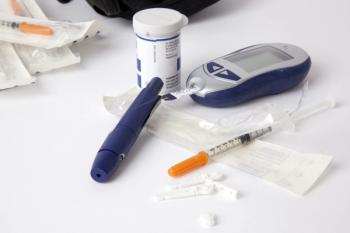
Investigators found that lifestyle changes such as a high-quality diet and regular exercise can lower the risk of type 2 diabetes in women with a history of gestational diabetes mellitus.

The drug shows improvement in exercise capacity and key secondary outcomes compared with the placebo when added to background therapy for those with pulmonary arterial hypertension.

In the trial, randomized patients with UC who received corticosteroids at maintenance baseline were able to eliminate the use of corticosteroids by week 200.

As part of American Pharmacist Month, Pharmacy Times is asking experts what they believe the value of the pharmacist is.

The availability of bivalent mRNA COVID-19 boosters, which provide broader protection, will likely increase vaccine demand in the fall

Experts discuss the clinical and economic impact of misdiagnosing bipolar I disorder as major depressive disorder.

Women who make a difference in the industry honored on #WomenPharmacistDay.
Pharmacists are poised to address selective vaccination and counsel patients contemplating delaying, skipping, or seeking an alternate vaccine schedule.

The Moderna bivalent vaccine is authorized for children 6 years of age and older, and the Pfizer-BioNTech vaccine is authorized for children 5 years of age and older.

Treating patients with rivaroxaban resulted in 32.5 fewer symptomatic venous thromboembolism (VTE) and VTE-related deaths among 10,000 patients.