

Support from pharmacy management and increased job satisfaction for pharmacy technicians can improve medication therapy management programs.
Support from pharmacy management and increased job satisfaction for pharmacy technicians can improve medication therapy management programs.

There are a number of ways in which job design and working conditions can be improved in the community pharmacy setting, either on the store level or on an organization-wide basis.

For World Immunization Week, Pharmacy Times® interviewed Nurisha Wade, MBA, VP of Global Healthcare Quality & Safety Center of Excellence at US Pharmacopeia (USP), and Farah Towfic, PharmD, MBA, director, CEO of Operations at USP, on USP’s COVID-19 Vaccine Handling Toolkit.

Pharmacy Times® interviewed Scott J. Knoer, MS, PharmD, FASHP, the EVP and CEO of the American Pharmacists Association, on the Pharmacy and Medically Underserved Area Enhancement Act that was recently introduced in Congress.
A new service connects community pharmacies with health care systems to support the delivery of health care products and services through crowdsourcing.

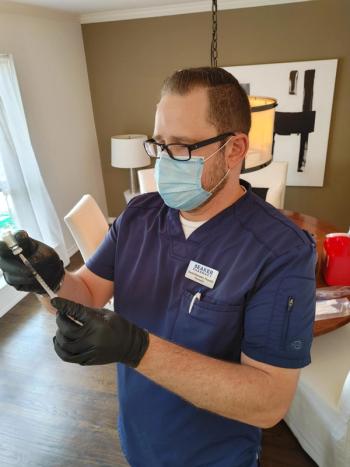
Tapping techs as immunizers opens up greater visibility and new source of health care labor.

Collaboration between a health coach and pharmacist is a relatively new concept, but initial evidence is promising.

The COVID-19 pandemic has created challenges and opportunities, and this requires agility and flexibility.

Technicians and other pharmacy professionals have been focused on the pandemic, but now can turn to what's next.

Just as pharmacists have been on the front lines of the COVID-19 pandemic, Kristen Lund, CPhT, a technician at Hy-Vee Pharmacy in Harlan, Iowa, said technicians have taken on greater responsibilities and have become more involved in patient care.

Community pharmacists should consider leaning on their specialty pharmacist peers, where available, as we continue to navigate the new, more virtual normal and attempt to expand these types of services in the future.

Here are 5 ways technology is rapidly revolutionizing the day-to-day role of technicians and pharmacists.

Pharmacy technicians should consider becoming certified immunizers to help with this essential task.

Pandemic allows technicians to shine and be increasingly viewed as key to streamlining workflow.

The evolution of health care to a more patient-centric focus suggests an even greater marriage between the concepts of manager and clinician.
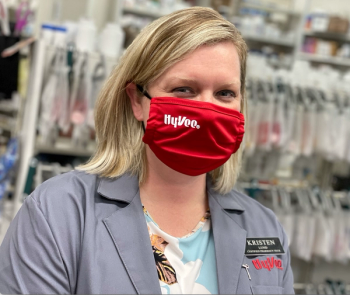
Before the COVID-19 pandemic, pharmacy technicians spent most of their shifts helping patients, billing insurance, stocking the pharmacy area, dispensing prescriptions, and other administrative duties. However, COVID-19 quickly changed that.
The unsung heroes of the coronavirus disease 2019 (COVID-19) pandemic are pharmacy technicians.

The investigators concluded that pharmacies who use the patient engagement center are likely to see efficient operations and increased productivity.
Health care workers constitute the most affected group of people in the fight against the COVID-19 virus.

Pharmacy managers must not only possess high levels of emotional intelligence, but should also encourage development among staff that facilitates more effective and creative outlets for frustration.

Pharmacy support staff members are stepping up and playing an outsize role in the pandemic response.

March 31 is International Transgender Day of Visibility, and the Human Rights Campaign (HRC) Foundation and the American Pharmacists Association (APhA) partnered to release a new guide for pharmacies on transgender and gender-diverse inclusion.

The team discovered a correlation between the implementation of Henry Ford’s universal mask policy and a significant drop in the rate at which its health care workers tested positive for SARS-CoV-2.

Resilience helps pharmacy personnel cope with mounting pressures and demands that come from stressed patients, tense supervisors, nervous patients, and precarious supply chain balances.

From certified medical assistants to phlebotomy technicians, the need for positive patient-provider interactions has proven critical both in achieving high patient satisfaction rates and improving patient experience.

The Biden administration has moved to activate 40,000 local pharmacies within the Federal Retail Pharmacy Program, which is a part of the administration’s national COVID-19 vaccination strategy.

The researchers used cross-sectional surveys, which were conducted with a convenience sample of rural community pharmacists who were part of a rural community pharmacy practice-based research network.
As the pandemic has continued, it has helped shine a light on how important pharmacists, pharmacy interns, and pharmacy technicians can help impact their communities.
Trust between a physician and pharmacist is essential to the overall quality of patient-centered care.
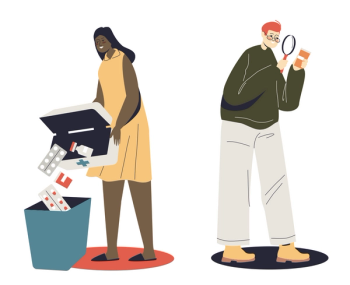
Use basic knowledge of medications to be the first line of defense in ensuring safety and maintaining pharmacy workflow.