
There are currently no approved treatments for tenosynovial giant cell tumors.
There are currently no approved treatments for tenosynovial giant cell tumors.

Cancer microenvironment may hold the key to increasing immunotherapy drug efficacy.
With the high volume of cancer drugs available, determining the most effective combination is a significant hurdle.
Combination of everolimus and small molecule compound significantly reduces viability of cancer cells.

Research shows cells are unable to divide and invade at the same time.
Top news of the week in cancer drug development.

Immunosuppressive drug linked to central nervous system lymphoma in solid organ transplant patients.

Rhabdomyosarcoma is the most common soft tissue sarcoma in children.

Ligand-guided protein cages kill more than 70 percent of lung cancer cells during testing.

Study may lead to enhanced efficacy of breast cancer drugs.

Blood test offers insight into how well a drug is working during the course of cancer treatment.

T-VEC is a first-in-class immunotherapy for unresectable cutaneous, subcutaneous, and nodal lesions in advanced melanoma.
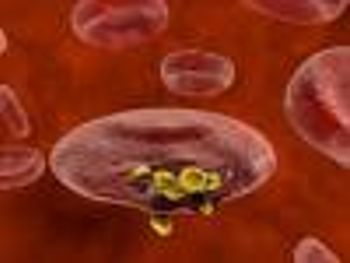
Malaria protein is able to attack more than 90 percent of all tumor types.

Non-Hispanic whites more likely to be diagnosed with less advanced stages of breast cancer.

Twice-daily niacin pill for 12-months reduced the incidence of new non-melanoma skin cancers.

Accelerated partial breast irradiation reduces therapy into just 5 days.

Treatment used in combination with fluorouracil and leucovorin for patients with metastatic pancreatic cancer.

Program takes advantage of neuroplasticity to train the brain to work more efficiently.

Top news of the week in cancer drug development.

Rare ALK mutation allows patients to live an average of 4 years with the disease controlled.
More than half of patients did not return to physicians for follow-up care.

Women increasingly choosing surgery to remove both breasts.
Research may improve the design of pharmaceuticals for leukemia and other types of cancer.
Breast Cancer and the Environment Research Program will focus on racially and ethnically diverse communities and expand the study of risk factors.

Despite new advanced immunotherapies, surgical resection still is the most effective treatment for abdominal metastatic melanoma.

Existing medications and myxoma virus combination shows promise against glioblastoma.
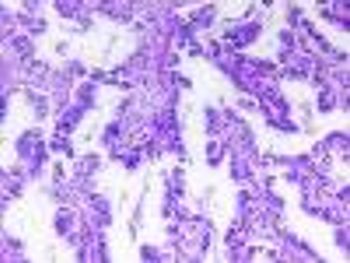
Process responsible for cancer cell proliferation uncovered.

HDAC inhibitors stop the activation of genes that turn normal cells into cancerous cells.

Gel may eventually eliminate the need for animal testing in medical research.
Test may help clinicians identify the best course of therapy for patients with Diffuse Large B-Cell Lymphoma.