
Is the cost of specialty drugs worth the price in small patient populations?
Is the cost of specialty drugs worth the price in small patient populations?
Phase 2 clinical trial of brentuximab vedotin (Adcetris) monotherapy in relapsed or refractory classical Hodgkin lymphoma treatment shows improved survival.
Obinutuzumab not found to improve progression-free survival in untreated diffuse large B-cell lymphoma.

Notch signaling pathway found to drive prostate cancer metastasis.

Top news of the day from across the health care landscape.

Self-reported prevalence of prostate cancer found lower in men who take aspirin.

The cancer mortality rate declined 1.55 % in 2011.

Benign meningioma tumors may be less likely in patients with high blood sugar.

Patients who underwent gross total resection had a significantly increased 1-year survival rate.

Even in early clinical trials for cancer drugs, the use of precision medicine showed longer progression-free survival.

Patients in their 50s and 60s were more likely to be diagnosed with late stage lung cancer compared with older patients.

The absence of O-glycan sugars led to colitis and colon cancer in mouse models.

Mouse models of paclitaxel lower than clinical doses showed an increase of liver metastases.
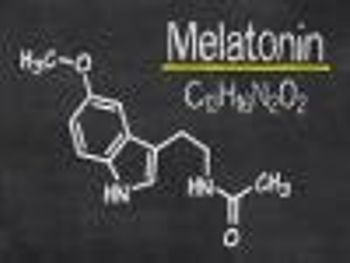
Nanostructured lipid carriers filled with melatonin may boost chemotherapy efficacy.

Approximately 38% of women who had initial echocardiograms received a follow-up scan.

Women who undergo surgery for ovarian cancer lived four times longer than women who did not.

Restriction spectrum imaging distinguishes between different prostate cancer tumor grades.

Proteogenomic analysis expands knowledge into breast cancer therapy.

Avella Specialty Pharmacy has distributed its fifth issue of Dispensing Excellence, a publication for healthcare providers, nurses, medical assistants and their patients.

Recent advances and updates in oncology and cancer drug development.

Eight genes expressed in glioblastoma tumors that can predict the survival time of the patient.

Robotic trainer rectum helps teach providers to better detect prostate cancer.

Hops could lower risk of breast cancer in post-menopausal women.

Patient navigators found to enhance adherence to screening guidelines in ethnic minority and less fortunate cancer patients.

Female mice with obese fathers have delayed development in breast tissue and higher rates of breast cancer.

Multiple myeloma cells show greater ability to spread in obese and morbidly obese patients.

Top news of the day from across the health care landscape.
Discovery may lead to new treatments for colon cancer.

Surgeons were able to remove 29% of additional tumors using OTL38.

Both patients with aggressive and non-aggressive ductal carcinoma in situ receive the same treatment.