
The new technology can separate bioparticles for improved cancer detection.
The new technology can separate bioparticles for improved cancer detection.

Study highlights the importance of sunscreen and other protective measures against skin cancer.
Top news of the day from across the health care landscape.

Researchers believe prostate cancer has become more aggressive.
Similarities between laboratory cancer cells and patient tumor samples could create more personalized treatment.

Hormones in body fat provide bridge between breast cancer and obesity.
Patients who relapse following a stem cell transplant for leukemia, lymphoma, or multiple myeloma may benefit from ipilimumab.

Surgery is performed in a different position than pre-operative breast imaging MRIs.

Adcetris is an antibody-drug conjugate that may improve treatment of cutaneous T cell lymphoma.
Meaningful clinical activity found from PD-1 blockade treatment in metastatic prostate cancer patients resistant to androgen deprivation.

Perceived memory problems could be linked to stress rather that treatment in breast cancer survivors.

People with pale skin, freckles, and red hair carry mutations comparable to an extra 21 years of sun exposure.

Approximately 7000 studies involved contaminated HEp-2 and INT 407 cell lines.
Overexpression of Aurora Kinase could potentially inhibit a tumor suppressing gene.
Fluorescence lifetime imaging identifies which breast cancer patients will benefit from specific treatments.

Neratinib and the combination of veliparib plus carboplatin improves breast cancer outcomes.
Anti-PD-L1 immunotherapy with an MEK inhibitor may improve treatment of microsatellite-stable metastatic colorectal cancer.
Researchers created an algorithm that can discover how the immune system responds to cancer.

Microscopic silk swimming device may improve treatment for variety of diseases.

In-depth examination of the mechanisms of a tumor protein could lead to new treatments.
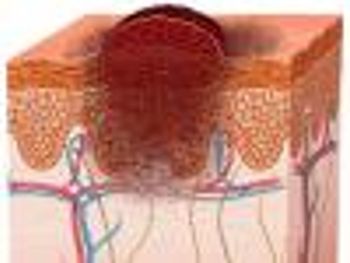
Ipilimumab combined with local peripheral treatments shows promise in malignant melanoma.

Stage 2 colon cancer patients administered adjuvant chemotherapy survived significantly longer than patients who did not.

Support groups and social networking help breast cancer patients manage emotions and stress.

New models can improve accuracy of cancer research.

Approximately 1 in 100 patients with MGUS develop myeloma.

Burdock root, or gobo, associated with lower rates of colon cancer and colitis.

Chemotherapy drug may cause the loss of hearing during the treatment of testicular cancer.

Overexpression of Aurora Kinase could potentially inhibit a tumor suppressing gene.

Approximately 12.3% of patients diagnosed with heart failure were diagnosed with cancer.

Top news of the week from across the health care landscape.