

This screening method can help empower patients to better manage their health and seek additional care.
This screening method can help empower patients to better manage their health and seek additional care.

Abigail Thomas, PharmD, and Lee A. Kral, PharmD, discuss the evolving role of psilocybin-assisted therapy in palliative care, highlighting current evidence, safety concerns, and how pharmacists can guide patient selection, manage drug interactions, and support education as the therapy moves closer to clinical use.
This installment of our series on ADCs and HER2 breast cancer offers key insights about novel agents in clinical trials and management of ADC therapies.
The salvage therapy led to an 80% overall response rate in patients with relapsed/refractory multiple myeloma.

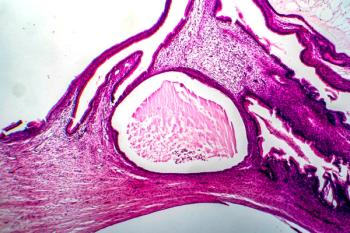
Currently, the treatment is undergoing evaluation in a 3-part clinical trial to determine its safety, efficacy, and pharmacokinetics in patients with recurrent advanced/metastatic cancers.

Despite benefits for reducing drug costs, community oncology practices face the unintended consequences of the IRA.

Jonas Congelli, RPh, discusses how limited distribution networks and medically integrated pharmacies can improve access, continuity, and quality of oncology care—particularly in underserved areas—while addressing systemic barriers posed by traditional distribution models and pharmacy benefit managers.

Ravi Parikh, MD, MPP, FACP, discusses how artificial intelligence is transforming oncology pharmacy by accelerating drug development, enhancing clinical decision-making, supporting value-based care, and raising critical questions about ethics, regulation, and data integrity.
Liposomal annamycin demonstrates broad synergistic activity with multiple FDA-approved chemotherapies across hematologic and solid tumors in preclinical models, offering a promising and safer combination strategy for resistant and high-risk cancers.
Douglas Adkins, MD shares key data and findings from the phase 3 KEYNOTE-689 study.
Explore the latest advancements in treating transplant-ineligible multiple myeloma, highlighting new therapies and clinical trial outcomes for improved patient care.
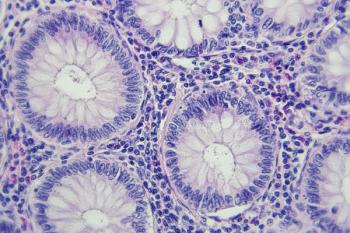
Sasha Watson, PharmD, BCOP, discusses the emerging role of circulating tumor DNA (ctDNA) in colon cancer, highlighting its potential to enhance precision oncology by improving early detection, guiding adjuvant therapy decisions, and monitoring disease recurrence and treatment resistance.
Updates on April 30, 2025, introduce changes to treatment regimens, sequencing flexibility, febrile neutropenia risk assessments, and drug-specific safety and supportive care guidance.
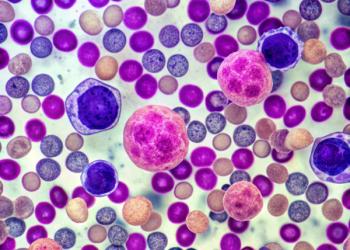
A phase 1b study demonstrated that continuous subcutaneous infusion of low-dose lenalidomide in patients with relapsed or refractory (R/R) multiple myeloma achieved promising efficacy with significantly reduced hematologic toxicity compared to conventional oral dosing.

Artificial intelligence (AI) models enhance cancer cachexia detection, improving accuracy in predicting muscle atrophy and patient outcomes through advanced biomarker analysis.

A novel orally bioavailable RIPTAC therapeutic targeting the p53-Y220C mutation demonstrates selective cancer cell killing by inducing proximity between mutant p53 and an essential protein, offering a promising new strategy for treating historically untreatable tumors.
Pharmacists discuss how drug design impacts drug efficacy and indications for HER2-low and -ultra-low breast cancer.

Hyperglycemia is a common and significant adverse effect of PI3K and AKT inhibitors in hormone receptor-positive (HR+) breast cancer.

Rising costs of these therapies challenge affordability and access.
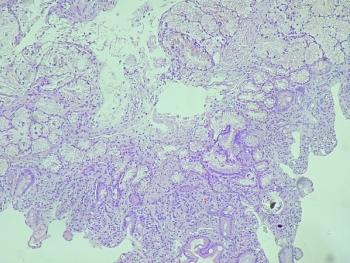
The phase 2 ROME trial demonstrated that combining tissue and liquid biopsies to guide tailored therapy in advanced solid tumors significantly improves survival outcomes compared to standard of care or single-biopsy approaches, highlighting the value of dual profiling in precision oncology.

Study shows a significant decline in breast cancer mortality across multiple subtypes.

Acneiform rash is a common adverse effect of EGFR-targeting therapies.
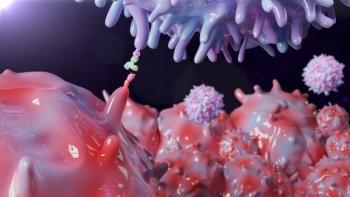
Dostarlimab in the neoadjuvant setting yielded a 100% clinical complete response in patients with rectal cancer.
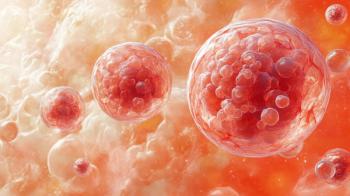
A phase 2 trial showed that using ctDNA to guide adjuvant pembrolizumab therapy after surgery effectively cleared minimal residual disease and reduced recurrence in patients with resected mismatch repair-deficient (dMMR) solid tumors.

The study found that 4 weeks was the ideal time point to test for cTDNA.
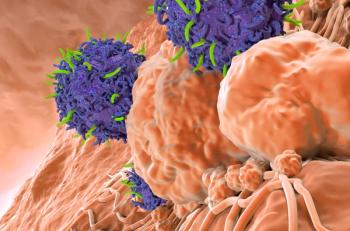
Certain antibiotics may have a more significant impact on CAR T-cell efficacy and toxicity.

AI may help to accurately classify pediatric sarcoma subtypes using digitized pathology images, potentially improving diagnosis and treatment accessibility across diverse health care settings.
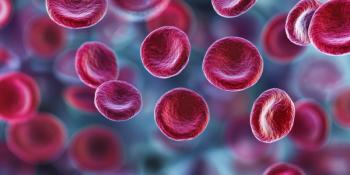
Interim results from the phase 1 SENTI-202-101 trial show that SENTI-202, a logic-gated, off-the-shelf chimeric antigen receptor natural killer (CAR NK) cell therapy, achieved complete remission in 4 patients with relapsed or refractory (R/R) acute myeloid leukemia (AML).
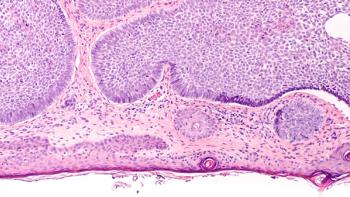
Pretrained foundation machine learning models significantly improved the accuracy of diagnosing non-melanoma skin cancer from digital pathology images and may offer a practical, resource-efficient solution for cancer diagnosis in underserved settings.