

Thioguanine and decitabine combination therapy show positive results in phase 1 trial.
Thioguanine and decitabine combination therapy show positive results in phase 1 trial.

The cause of a rare sarcoma may provide a promising new treatment target for soft tissue cancer.

Patients with serious illness who receive palliative care were more satisfied with their health care.

Study seeks the optimal drug combination for patients with HCV genotype 2 and cirrhosis.

Reovirus could treat liver diseases such as hepatitis C virus and primary liver cancer.
Patients share their personal stories with Specialty Pharmacy Times.

Top news of the week in oncology and cancer drug development.
Proton pump inhibitors combined with a certain chemotherapy drug may lower the possibility for cancer patients to recover and survive.
Top news of the day from across the health care landscape.

Scientists have developed a new tool to test current strategies for finding mutant gene cancer drivers.

Regular use of over-the-counter, anti-inflammatory drugs associated with an increased risk of death in patients with cancer.

Regular use of over-the-counter, anti-inflammatory drugs associated with an increased risk of death in patients with cancer.

Investigative drug may improve overall survival and reduce chemotherapy-induced heart damage in children with acute myelogenous leukemia.

Cisplatin used in combination with sodium thiosulfate significantly reduced the incidence of hearing loss in pediatric cancer patients.

Study finds link between aspirin and blood platelets in cancer cells.
Patients with relapsed diffuse large-B cell lymphoma had monthly healthcare costs of $6566.
Progression free survival more than doubled with niraparib treatment.

Niraparib is an investigational PARP inhibitor currently being evaluated for recurrent epithelial ovarian, fallopian tube, or primary peritoneal cancers.

Metastasis affects as many as 5% of cancer patients around the world.

Top news of the day from across the health care landscape.
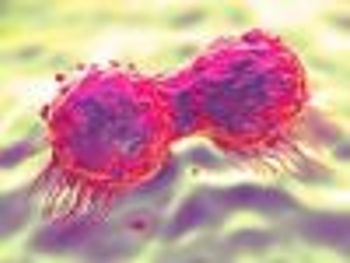
Cyclin-dependent kinase inhibitor reduces Ki67 expression and shows promise in breast cancer treatment.
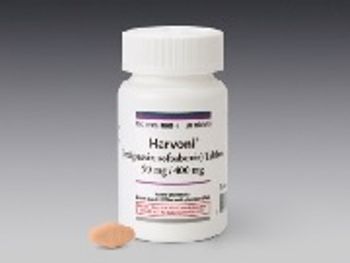
Agreement will expand treatment options for patients with hepatitis C.
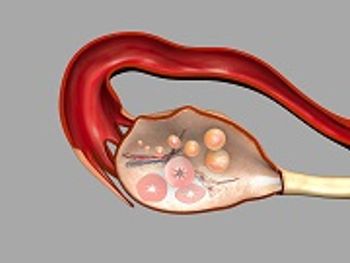
Rubraca is the latest targeted agent that treats cancers caused by specific mutations in a patient’s gene.
FDA grants accelerated approval for rucaparib (Rubraca) to treat advanced ovarian cancer.

Pembrolizumab was associated with clinically meaningful improvements in quality of life over chemotherapy.

Researchers discovered a statistically significant link between diabetes and all-cause mortality.

Top news of the day from across the health care landscape.
Top news of the week in oncology and cancer drug development.

Rates of suicide elevated in cancer survivors diagnosed before the age of 25 years.

The biosimilar epoetin was well-tolerated in elderly cancer patient populations.