

SF2523 can dually inhibit a protein and an enzyme associated with cancer.
SF2523 can dually inhibit a protein and an enzyme associated with cancer.

Cancer cells adjusted to have normal circadian rhythm slowed tumor growth.

Tumor growth can be fueled by sleep disruption.

The Iowa Department of Public Health released its first report on hepatitis C virus.
Extrachromosomal oncogene helps drive tumor evolution and heterogeneity.

Lenalidomide (Revlimid) maintenance improved survival in multiple myeloma patients following a stem cell transplant.
Tumors containing JAK1 and JAK2 mutations effect response to immunotherapy in patients with melanoma and colon cancer.

Application filed for ceritinib (Zykadia) as a first-line treatment for patients with metastatic non-small cell lung cancer.

Top news of the day from across the health care landscape.
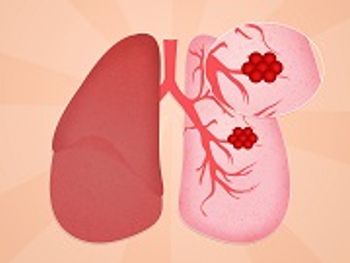
Zykadia granted breakthrough therapy designation for ALK+ metastatic non-small cell lung cancer with brain metastases.
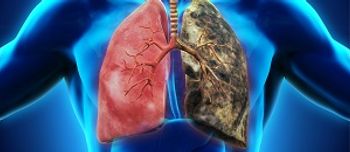
The FDA has accepted Novartis’ supplemental new drug application (sNDA) for filing and granted priority review for the expanded use of a new cancer drug.

Physical activity drops during and after cancer treatment.

Consumption of beta-cryptoxanthin reduced lung cancer risk up to 63%.

SMAC mimetics and immune checkpoint inhibitors, together, promote tumor immunity against deadly brain cancer.

Top news of the week in oncology and cancer drug development.

Smokers who receive telephone-based smoking cessation counseling shortly after undergoing lung cancer screening may be more likely to quit smoking, a new Georgetown Lombardi-led study finds.

Targeted therapy improves survival rates for dogs with hemangiosarcoma.

Community Oncology Alliance at odds with the opinion of pharmacy benefit managers regarding direct and indirect remuneration fees.

The World Health Organization seeks to improve early cancer detection to increase survivors and cut treatment costs.

Aggressive cancers found more susceptible to combination treatment compared with monotherapy.

Stakeholders debate the benefits of direct and indirect remuneration fees.

Certain BRCA1 mutations reduce the risk of developing leukemia.

Onset or rapid deterioration of diabetes may be an indicator of hidden pancreatic cancer.

Top news of the day from across the health care landscape.

Unreliable data found in reports that did not support the professor’s hypothesis in cancer research.

Why are some patients with cancer unresponsive to immunotherapies?
Low-dose computed tomography screenings remained very low and unchanged among eligible individuals.
Study findings shed new light on breast cancer treatments.

ER-positive breast cancers may be producing their own estrogen.

Potential cancer drug class may bump standard practice of 1 drug, 1 target.