

Kisqali Femara Co-Pack only requires 1 co-payment.
Kisqali Femara Co-Pack only requires 1 co-payment.
Kisqali Femara Co-Pack (ribociclib tablets; letrozole tablets) treats hormone receptor-positive, human epidermal growth factor receptor-2 negative breast cancer in post-menopausal patients.

The Kisqali Femara Co-Pack is the only approved combination pack that includes 2 prescription drugs used to treat breast cancer.

Regular low-dose aspirin use associated with a lower risk of breast cancer.
Suppressing MAFK pathway in tumor cells may slow spread of aggressive breast cancer.
World Health Organization reports lack of uptake of hepatitis treatments.

Low-dose aspirin may help women reduce their risk of developing breast cancer, a new study published in Breast Cancer Research has suggested.

Study provides visualization of different conformations of transporter in motion that may lead to more effective anticancer and antiviral drugs.
Eating animal protein may increase the risk of non-alcoholic fatty liver disease development.
Patients who received kidney transplants from donors infected with hepatitis C virus were cured after antiviral drug therapy.
Direct-acting antiviral agents have the potential to substantially increase the number of kidney transplants by making infected kidneys available.

Opioid epidemic fuels hepatitis C transmission.
Findings may lead to the development of a noninvasive clinical diagnostic test.
Ledipasvir/sofosbuvir combination resulted in beneficial viral response in pediatric patients.
Estimates of patients with HCV dropped from 130 million to 71 million.
Blood test quickly and accurately identifies genetic mutations linked to non-small cell lung cancer.

Key factor helps drive metastases in aggressive cancers.

The Hematology Oncology Pharmacy Association (HOPA) is hosting the HOPA Policy Summit on Drug Waste in the Treatment of Cancer with health care professionals and industry members.

The Hematology Oncology Pharmacy Association (HOPA) is hosting the HOPA Policy Summit on Drug Waste in the Treatment of Cancer with health care professionals and industry members.
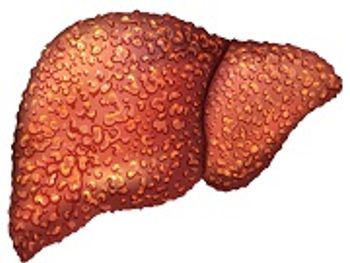
Statins also found to lower rates of decompensation in patients with liver cirrhosis related to nonalcoholic steatohepatitis.
Top news of the week in oncology and cancer drug development.

A patient discusses the struggle of receiving treatment for triple negative breast cancer in a rural community.

Major life events regarding close personal relationships may play a role in mortality.
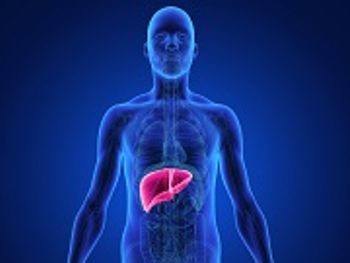
Stivarga expanded to include the treatment of hepatocellular carcinoma in patients previously treated with sorafenib.
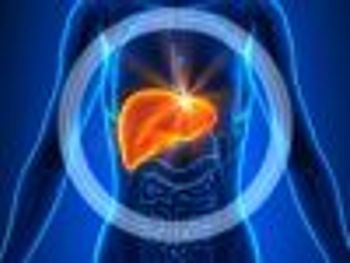
Stivarga is the first FDA-approved treatment for hepatocellular carcinoma in almost a decade.
The FDA has expanded the approved use of Stivarga (regorafenib, Bayer HealthCare Pharmaceuticals Inc.) to include the treatment of patients with hepatocellular carcinoma (HCC or liver cancer) who have been previously treated with the drug sorafenib.

Unexpected survival gains observed in glioblastoma patients administered an investigational dendritic cell vaccine and temozolomide.

The substantial adverse impact of second cancers may explain the lack of improvement in young adult survival compared with older adults.
Increased expression of EGFR-positive myeloid cells associated with tumor progression and reduced survival in bowel cancer.
The FDA issues warnings for companies selling products with fraudulent claims of curing cancer.