

New findings suggest alterations in this process may trigger cancer progression.
New findings suggest alterations in this process may trigger cancer progression.

Top news of the week from Specialty Pharmacy Times.

Top news of the day from across the health care landscape.

Abemaciclib treats adults with hormone receptor-positive, human epidemical growth factor receptor-negative advanced or metastatic breast cancer that progressed after endocrine therapy.

Verzenio can be administered as a stand-alone treatment to patients previously treated with endocrine therapy and chemotherapy.

Officials with the FDA have approved abemaciclib (Verzenio, Eli Lilly), for the treatment of adults with certain advanced or metastatic breast cancer.
Top news of the week from Specialty Pharmacy Times.

Introducing microbes to replace missing metabolites could reduce cancer risk, study suggests.

Women with the hepatitis C virus have fewer live births and face a higher risk of miscarriage, infertility, gestational diabetes and pre-eclampsia.

Many researchers are interested in looking at FDA-approved drugs that could potentially be repositioned for use in cancer treatment.

Physical activity and a whole grain-rich diet lowers colorectal cancer risk, whereas red meat increases the risk.

Exposure to carbon may not increase the risk of death among hardmetal workers.

Patients with peripheral neuropathy may experience pain, numbness, and tingling in the hands and feet, despite cessation of chemotherapy.

Limited proportion of patients with chronic hepatitis C virus received antiviral treatment before the widespread use of direct-acting antivirals.

A newly-discovered molecule can induce programmed cell death in mesenchymal-like lung cancer cells.

Certain adjuvant chemotherapy regimens may lead to long-lasting peripheral neuropathy in breast cancer survivors.

Adjuvant endocrine therapy can prevent cancer recurrence but can result in painful side effects.

Top news of the week from Specialty Pharmacy Times.
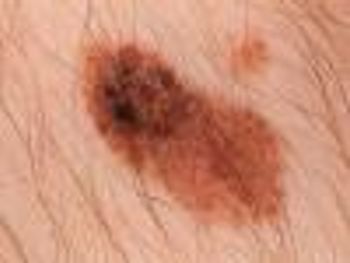
Wnt signaling activation impacts the response to melanoma treatment.

Mvasi is indicated to treat adult patients with certain types of colorectal, lung, brain, kidney, and cervical cancers.
Bevacizumab-awwb, a biosimilar to Avastin, approved to treat several cancer types.

Sofosbuvir may help improve the kidney function of some patients with hepatitis C virus.

Nerlynx is indicated to treat early-stage HER2-positive breast cancer following trastuzumab-based therapy.

Device may reveal how to stop cancer cells from spreading.

Tumor biology and size should guide breast cancer treatment.

No differences in the effects of screening versus no screening found between 2 prostate cancer trials.

Investigational trastuzumab biosimilar shows promise as potential lower cost treatment option to Herceptin for breast cancer and gastric cancer.

A tissue analyzing pen could revolutionize cancer treatment by improving diagnosis.
A blood cancer drug may kill certain esophageal cancer cells.

Study findings support research demonstrating endoxifen better inhibits tumor growth compared with tamoxifen.