

The findings suggest that the prevalence of these conditions among cancer survivors is nearly 40% higher than that in the general population.
The findings suggest that the prevalence of these conditions among cancer survivors is nearly 40% higher than that in the general population.

Women whose tumors responded to estrogen treatment were found to benefit from hormone therapy, whereas those whose tumors did not respond experienced worsening disease.

Pharmacy Times interviewed Jason Valent, MD, of the Cleveland Clinic his recent CAEL-101 findings, and how it can help shape treatment for patients living with amyloid light chain amyloidosis.

The BTD designations for asciminib were based on the phase 3, multicenter, open-label, randomized ASCEMBL trial and a phase I trial that included patients with Ph+ CML, some of them harboring the T315I mutation.

Pharmacy Times interviewed Jason Valent, MD, of the Cleveland Clinic about what CAEL-101 is, how it works, and how it is used to treat patients with amyloid light chain amyloidosis.

Pharmacy Times interviewed Jason Valent, MD, of the Cleveland Clinic about his new research surrounding CAEL-101, a treatment for patients living with amyloid light chain amyloidosis.

Pharmacy Times interviewed Randall A. Oyer, MD, president of the Association of Community Cancer Centers, about how the COVID-19 pandemic is going to impact cancer mortality.

MET exon 14 skipping alterations occur in approximately 3% of adenocarcinomas and approximately 2% in other lung neoplasms, making them attractive potential targets for lung cancer treatment.

The collaboration begins today, which is also World Cancer Day, and the organizations will be working together to develop and share resources and educational information for the medically integrated oncology pharmacy team.

The findings suggest pre-diagnosis aspirin use might help reduce CRC mortality in the overall population by limiting metastatic spread of colorectal tumors before diagnosis.

Pharmacy Times interviewed Randall A. Oyer, MD, president of the Association of Community Cancer Centers, about how screening can help reduce cancer deaths.

Despite rising cancer death rates during the coronavirus disease 2019 (COVID-19) pandemic, Randall A. Oyer, MD, said it's not too late to reverse it.

The guidelines recommend discontinuing routine mammograms for survivors with a life expectancy under 5 years, considering stopping screening for those with a 5- to 10-year life expectancy, and continuing mammography for those whose life expectancy is greater than 10 years.

Radiologists should be aware of pulmonary artery thrombosis so that they can work with pharmacists to facilitate accurate diagnoses and management techniques.

Research highlights the need for cardiologists and cardio-oncologists to be involved in the treatment of men with breast cancer due to common risk factors and potential cardiotoxic effects of treatment.
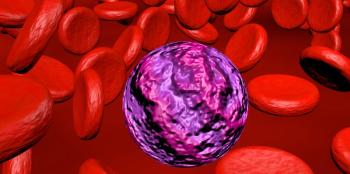
Numerous therapeutic options are available for acute myeloid leukemia, but more research is needed to determine how best to use them.
Pharmacy Times interviewed Randall A. Oyer, MD, president of the Association of Community Cancer Centers about the effect of coronavirus disease 2019 (COVID-19) on cancer clinical trials.

Data from a phase 1b/2 trial investigating the treatment of CCA with the combination of silmitasertib plus gemcitabine and cisplatin in comparison with gemcitabine and cisplatin found a statistically significant difference.
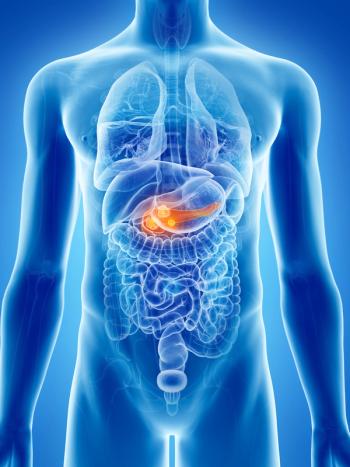
The treatment of 5-fluorouracil with levofolinate and irinotecan was found to be well-tolerated and effective as a second-line treatment for patients with gemcitabine-refractory advanced pancreatic cancer.

If approved, the biosimilar will be indicated for use in metastatic colorectal cancer, nonsquamous non–small cell lung cancer, recurrent glioblastoma, metastatic renal cell carcinoma, and metastatic cervical cancer.
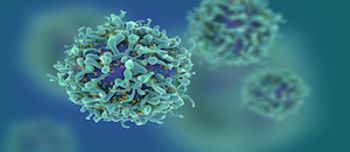
Preclinical models have also shown that treatment with a drug that is downstream of ACE2 can improve tumor responses in RCC and significantly prolong survival, according to the study authors.

The FDA has granted Orphan Drug Designation to Uttroside-B (Q Biomed Inc), a small molecule chemotherapeutic for the treatment of hepatocellular carcinoma (HCC), the most common form of liver cancer.
Pharmacy Times®, the leading multimedia resource for pharmacy professionals, is excited to announce Yale Cancer Center is now part of its Strategic Alliance Partnership program.

Interventions to reduce suffering, restore connections with others, and maintain safety are essential, and normalizing conversations about suicidal ideation and suicide itself is important.

The FDA has granted the cell-based, off-the-shelf immune primer ilixadencel an orphan drug designation for use as a treatment option in patients with soft tissue sarcoma.

Data from a phase 1b/2 study investigating onvansertib as a treatment of KRAS-mutated mCRC demonstrated that 42% of patients achieved a PR and 67% demonstrated a durable response ranging from 6.1 months to 13.7 months.
Topics covered in-depth in the show include strategies for patient education, cancer team coordination, side effect monitoring and management of medications from both in-house and external specialty pharmacies.

HPV is the most common sexually transmitted infection, and if a high-risk infection does not go away, it can lead to the development of a variety of cancers, including 91% of all cervical cancers, 70% of oropharyngeal cancers, and cancers of the vulva, vagina, and penis and anus.
The FDA has granted toripalimab a fast track designation for use in the frontline treatment of patients with mucosal melanoma.
NCCN states that all patients with active cancer, or with active, recent, or planned cancer treatment, should be considered highest priority to receive one of the COVID-19 vaccines granted emergency use authorization.