

Pharmacists can enhance ASCVD management by supporting patient adherence through the administration and monitoring of inclisiran.
Pharmacists can enhance ASCVD management by supporting patient adherence through the administration and monitoring of inclisiran.

P043 is currently approved for patients 6 years and older with moderate to severe persistent allergic asthma whose disease is inadequately controlled with inhaled corticosteroids.

The findings demonstrate a need for additional health care provider training and resources for birthing people with intellectual and developmental disabilities.

The hospital pharmacists’ role in treating patients with epilepsy starts with their place on the multidisciplinary team, which identifies appropriate drug selection in the hospital. It continues with counseling and therapy reconciliation to assure smooth transitions upon patient discharge to the community.

Jose Tinajero, PharmD, BCOP, discusses the results of a retrospective study evaluating patients with B-cell acute lymphoblastic leukemia.

Bezisterim, an anti-inflammatory insulin sensitizer, will be authorized to proceed to a phase 2 clinical trial.

Mary McGann, PharmD, BCOP, offers insights into CAR T-cell therapy and the crucial role of pharmacists in mitigating resistance.

Pharmacy students discuss how they use social media platforms like TikTok, Instagram, and YouTube to reinforce their classroom learning.

Myasthenia gravis is a chronic autoimmune disease that causes muscle weakness and fatigue, with 4 main treatment options available.

Cases have been detected in 33 US states so far this year, and the virus has recently hospitalized the former Chief Medical Advisor to the President of the US Anthony Fauci.

For those with unexplained pregnancy loss, these results could prove promising improvements to birth outcomes.

Women's health extends beyond reproductive health, yet much of the research in women's health focuses on these "below the belt" health issues, despite data showing that women disproportionately suffer from certain health conditions, such as heart failure.

Shared clinical decision-making presented drawbacks, resulting in age-based recommendations for adults aged 75 years and older and risk-based recommendations for individuals aged 60-74 years.

An examination of the 340B Drug Pricing Program's original intent, current challenges, and potential resolutions in today's complex health care landscape.

The author suggest how to improve the representation of women, older adults, and minorities in clinical research that will require effort from a broad range of stakeholders.

Although small intestinal bacterial overgrowth (SIBO) and irritable bowel syndrome (IBS) share many of the same symptoms, SIBO affects the small intestine and IBS affects the large intestine.

The application includes data from the Vivacity-MG3 study, demonstrating that individuals who received the drug had superior outcomes compared with the standard of care alone.

The findings further the understanding of respiratory virus immune evasion mechanisms and uncover how RSV-NS1 can target therapeutic intervention

Pharmacists can provide extra resources for patients, including explanations of the therapy options for the patients, the course of therapy, and what patients can expect.

Mirdametinib is an oral, allosteric small molecule MEK inhibitor to treat pediatric patients with neurofibromatosis type 1-associated plexiform neurofibromas (NF1-PN).

Eight areas of improvement were developed as part of national initiative with stakeholder involvement.

Accurate, effective screening is crucial for connecting patients with needed financial resources and support.

Despite evidence supporting the benefit of placing pharmacists in the ICU, there is still reluctance to widely adopt decentralized pharmacist models, largely due to immediate cost concerns and underrepresentation of pharmacy leaders in decision-making roles.

For pharmacies, AI and other technologies are key to thriving in the era of value-based care.
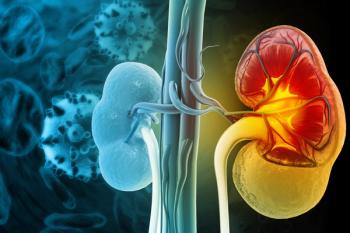
Pegcetacoplan is a targeted C3 therapy that is intended to regulate excessive activation of the complement cascade.

Pediatric patients weighing 20 kg to <50 kg should take 20 mg of apremilast twice daily and children weighing at least 50 kg should take 30 mg twice daily.

Let’s shine the spotlight on ourselves, and let’s begin to heal.

The proposed diagnostic agent has a long half-life, enables imaging the next day, and correlates to a longer shelf life in the pharmacy.

This designation follows the drug's rare pediatric disease designation in July 2024.

Investigators compare the impact of semaglutide for preserved ejection fraction and reduced ejection fraction, which both have different causes and responses to treatment.