
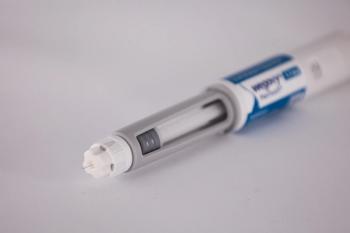
GLP-1 medications like semaglutide and tirzepatide significantly lower heart failure hospitalization risks, expanding treatment options for obesity-related conditions.
GLP-1 medications like semaglutide and tirzepatide significantly lower heart failure hospitalization risks, expanding treatment options for obesity-related conditions.
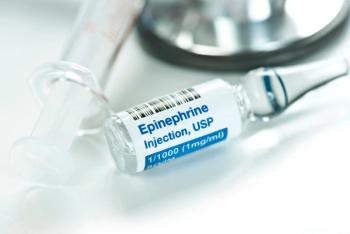
Pharmaceutical companies must consider formulation, packaging, and labeling from the start to minimize errors and protect patients.
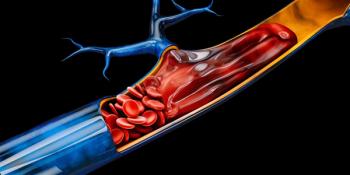
Reduced-dose apixaban maintains efficacy with less bleeding for extended CAT prophylaxis, reinforcing NCCN’s preexisting guidance in intermediate to high-risk cancer patients.

New research reveals that women on beta-blockers post-heart attack face a 45% higher risk of serious health issues compared with men.

Women using depot medroxyprogesterone acetate face a significantly higher risk of meningioma, especially with long-term use or starting after age 31.

Compared with rivaroxaban, abelacimab significantly lowered bleeding risk in patients with atrial fibrillation regardless of kidney function.
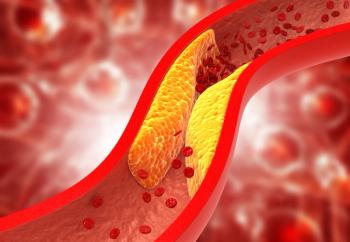
A new oral PCSK9 inhibitor, enlicitide, shows promise in significantly lowering LDL cholesterol, offering hope for hypercholesterolemia management and cardiovascular health.

Moderate-to-severe TBI significantly increases the risk of malignant brain tumors, highlighting the need for long-term monitoring in survivors.

Abemaciclib significantly enhances overall survival in high-risk HR+, HER2- early breast cancer, establishing a new standard of care.

Subcutaneous bortezomib shows fewer adverse effects in multiple myeloma treatment compared with intravenous administration, enhancing patient outcomes.
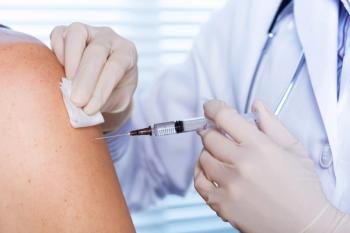
Vaccination is vital for adults with heart disease to prevent severe respiratory illnesses like RSV, influenza, and COVID-19, enhancing overall health outcomes.

Rilzabrutinib gained FDA approval as the first BTK inhibitor for chronic immune thrombocytopenia, offering new hope for patients with persistent symptoms.

Research shows that individuals who use cannabis to self-medicate, especially those with a history of childhood trauma, face heightened risks of paranoia and adverse mental health outcomes.
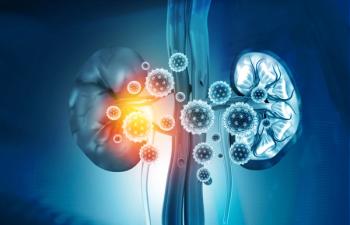
Future research should focus on optimizing drug design, mitochondrial biogenesis regulation, and establishment of treatments for acute kidney injury (AKI).

Explore the impact of the Inflation Reduction Act on community oncology practices and discover how new legislation aims to protect patient access to care.

An international BMJ panel recommended broader use of SGLT-2 inhibitors and GLP-1 receptor agonists.
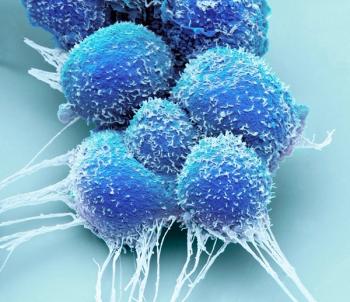
The FDA has approved a ready-to-use long-acting injectable formulation that is administered every 3 months as a treatment for advanced prostate cancer.

Abemaciclib enhances overall survival in high-risk HR+, HER2– early breast cancer, establishing its role as a standard adjuvant therapy.

An immunomodulatory nanoparticle called Agg-CLNP has been shown to effectively prevent disease onset for rheumatoid arthritis (RA).

Patients with severe COVID-19 who tested positive for Streptococcus pneumoniae had higher mortality rates.


Drug shortages challenge US health care, driven by systemic issues like low pricing and manufacturing concentration, impacting patient care and safety.

COVID-19 vaccination significantly reduces the risk of asthma and other airway inflammatory diseases, offering vital protection against respiratory complications.

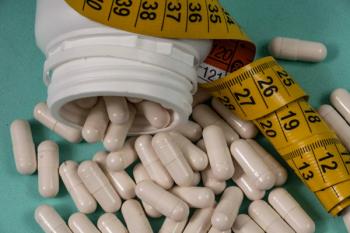
Orforglipron is an effective treatment, leading to significant body weight reduction and improved glycemic control.

Young adults who had experienced an acute myocardial infarction and lived in marginalized communities had increased risks of adverse events and reduced visits to their physician or cardiologist.
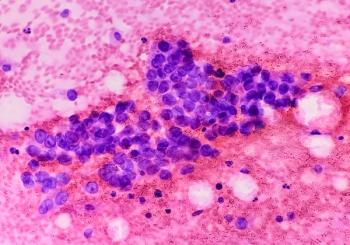
The action is significant for patients with extensive-stage small cell lung cancer (SCLC), a population with limited treatment options.
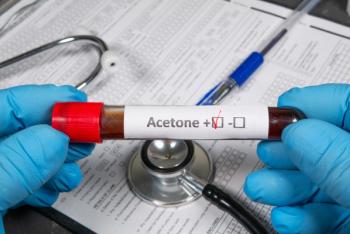
The sensor detects acetone levels in the breath to indicate diabetes.

A novel shingles vaccine candidate demonstrated positive top-line results of antibody and CD4⁺ T-cell vaccine responses.