

Datopotamab deruxtecan was effective in patients with TROP2-QCS biomarker-positive tumors for non–small cell lung cancer

Luke Halpern is an associate editor with Pharmacy Times. Luke wrote for Pharmacy Times in the summer of 2023 and assumed a full-time role in June 2024. His work has been featured in Pharmacy Times and the American Journal of Managed Care. He graduated from the University of Massachusetts, Amherst, in May 2024.
Datopotamab deruxtecan was effective in patients with TROP2-QCS biomarker-positive tumors for non–small cell lung cancer

Lazertinib with amivantamab was found to be similar in efficacy to osimertinib in the MARIPOSA study.

Full traditional approval follows accelerated approval of the medication last year.

New transparency initiatives will go into effect on January 1, 2025, building off previous actions by the Centers of Medicare and Medicaid Services.

Surprisingly, those with overweight BMI at diagnosis did not have a poor prognosis.

Intravenous immunoglobulin (IVIG) therapy was found to have statistically significant positive effects on live birth rates, implantation rate, and other indicators.

These companion diagnostics are poised to provide simpler and detailed insights into a patient’s genomic alternations, which could improve outcomes for patients with prostate cancer.

In a promising development in multiple sclerosis research, tolebrutinib delayed the onset of disability progression in patients with nrSPMS.
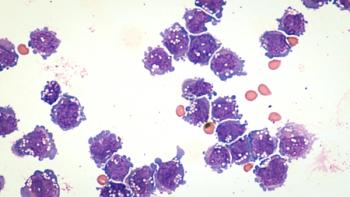
Patients with DLBCL on Medicaid had worse survival outcomes than those on commercial insurance, but there were no statistically significant differences in survival between races.

Bezisterim, an anti-inflammatory insulin sensitizer, will be authorized to proceed to a phase 2 clinical trial.

For those with unexplained pregnancy loss, these results could prove promising improvements to birth outcomes.

The request comes as increased scrutiny is levied toward pharmacy benefit managers for alleged unfair business practices.

Pharmacists play an essential role in ensuring the medication is dispensed to patients with high atherosclerotic cardiovascular disease risk.
The use of surrogate markers was observed for breakthrough-designated indications that were approved through both traditional pathways and accelerated pathways.

Jake Galdo and Annie Eisenbeis discuss their vaccine gap closure program and the ability to utilize the model beyond vaccines.

In survivors of lymphoma with fragmented transition of care, preparedness and activation for the next phase of their survivorship was lacking.

In an initiative to close vaccine gaps in local Missouri communities, pharmacists and community health workers proved essential.

Aligning with previous data, the drug combination was modestly effective in patients with large B-cell lymphoma pre- and post-CAR-T-cell therapy.

In an interview with Pharmacy Times, Jasmine Perry describes her idea of an effective health care delivery model and why research can have a huge impact at the policy level.

Bendamustine resulted in a greater risk of treatment complications in patients with lymphoma.

The acceptance will lead to vaccines that provide better protection against the KP.2 strain of SARS-CoV-2.

Drawing on years of experience, Rina Shah explains how sustainable care models are essential for a thriving pharmaceutical industry.

The FDA assigned the combination a Prescription Drug User Fee Act goal date of April 21, 2025.

In an interview with Pharmacy Times, Jon Easter discusses the need for pharmacy to align as a profession to achieve policy and research goals.

President of NACDS, Steve Anderson, discusses how the events at Total Store Expo reflect on the association's goals of innovation and a focus on public policy.

Sara Roszak recounts the Annual NACDS Foundation Dinner and their role in implementing research at the clinical level.

The decision by the Supreme Court has the potential to upend the power of regulatory agencies to shape the health care landscape of the country.

Jasmine Perry discusses the More Than a Script program in an interview with Pharmacy Times.

In a session at NACDS Total Store Expo, experts spoke to the success of value-based care models in the pharmaceutical industry.
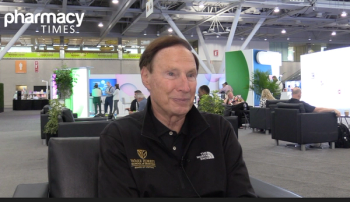
Steve Anderson, president and CEO of the National Association of Chain Drug Stores (NACDS), discusses memorable moments from this year's NACDS Total Store Expo.