Publication|Articles|October 1, 2026
- October 2026
- Volume 92
- Issue 10
National Pharmacy Week: More Than a Thank-You
Author(s)Mike Hennessy Jr, Chairman and CEO
Fact checked by: Yasmeen Qahwash
National Pharmacy Week spotlights how pharmacists and technicians boost adherence by clarifying medication timelines, easing uncertainty, and strengthening patient trust through better counseling.
Advertisement
Advertisement
National Pharmacy Week, held from October 18 to 24 this year, is a fitting moment to reflect on the vital role pharmacists and their teams play in guiding patients through some of the most uncertain parts of their care. As frontline, highly accessible health care professionals, pharmacists are often the ones patients turn to first when a medication is not doing what they expected, making clear and honest counseling more important than ever.

Related to this article

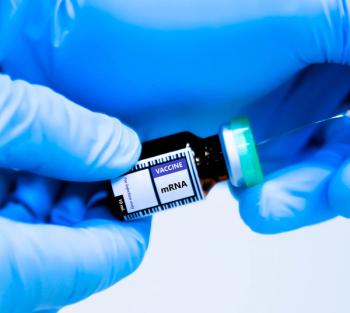
Despite the controversy surrounding mRNA's role in the COVID-19 response, the technology's broader promise—to prevent, treat, and even cure a host of diseases—is coming into focus.

As Pharmacy Technician Day approaches, the CEO of the Pharmacy Technician Certification Board argues that real recognition means career ladders, consistent scope regulations, and investment in certification.

AI-driven coding fuels specialty EHRs and telehealth tools, making ePrescribing faster, tailored, and affordable while shifting focus to workflow and compliance.

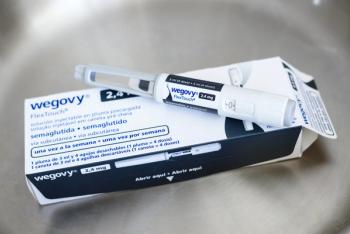
Post hoc STEP UP data at EASD 2026 show liver fat fell from 8.8% to 3.1% at 72 weeks in a 55-person MRI subgroup, though no placebo comparison was reported.

Age is the leading factor in influenza vaccine selection, and vaccination remains effective well beyond the ideal September-to-October window.

Tor Härnqvist, MD, discusses immune testing after invasive pneumococcal disease, serotype-informed vaccine selection, and pharmacists' role in supporting patients on immunoglobulin therapy.

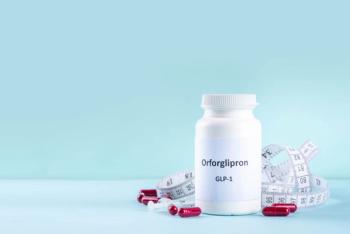
In adults with type 2 diabetes at high cardiovascular (CV) risk, the oral GLP-1 RA also improved HbA1C and weight, with less hypoglycemia but more GI events.
Advertisement
Advertisement