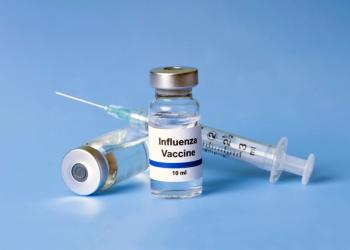
A high-dose vaccine cut hospitalizations for flu, pneumonia, and cardiorespiratory disease in older adults with asthma, COPD, and other chronic lung conditions.
CDC-recommended adult vaccination programs for pneumococcal disease, RSV, influenza, and COVID-19 prevent over 182,000 deaths and generate up to $12 in societal value for every $1 spent.
A new benefit-cost analysis published in Health Affairs Scholar puts a dollar figure on the societal payoff of adult respiratory vaccination in the United States, and the numbers are striking. Researchers from the Office of Health Economics and Pfizer modeled current CDC recommendations for pneumococcal disease (PD), respiratory syncytial virus (RSV), influenza, and COVID-19 vaccination, finding that over a 15-year horizon, current age-based programs prevent more than 182,000 deaths and 2.5 million hospitalizations.1
Depending on how mortality risk reduction is valued, society gains between $5 and $12 for every $1 spent delivering these 4 vaccination programs, translating into net benefits ranging from $746 billion to $2.3 trillion.1
When at-risk adults under the current age- and risk-based recommendations are included, an additional 13,600 deaths are averted, pushing 15-year net benefits as high as $2.5 trillion. A complementary analysis isolating a single year of vaccination activity—more comparable to annual budget cycles—found that roughly $22 billion in yearly spending generates $101 billion to $241 billion in net benefits, averting approximately 18,500 deaths and 300,000 hospitalizations.1
Despite the scale of these returns, US adult vaccination coverage remains well below international benchmarks. The World Health Organization's (WHO) 75% influenza coverage target for adults aged 65 and older is a benchmark several European nations approach, while the highest coverage achieved domestically is roughly 65%, among older adults for PD and influenza. RSV and COVID-19 coverage lag further behind: the study cites baseline rates of just 21% for RSV (ages 75+) and 47% for COVID-19 (ages 65+).1
CDC estimates from the 2024-2025 season found only 34.7% of adults had received an influenza vaccine and 17.9% had received an updated COVID-19 vaccine by early November, with RSV coverage at 39.7% among adults 75 and older. A more recent November 2025 survey from the National Foundation for Infectious Diseases found uptake sliding further, with just 45% of adults reporting receipt of any respiratory vaccine since September 2025, and RSV and pneumococcal coverage each in the single digits.2,3
The study's authors flag a specific policy risk: the CDC's move away from routine, universal COVID-19 vaccination recommendations. In September 2025, the Advisory Committee on Immunization Practices (ACIP) voted to shift COVID-19 vaccination for all age groups to a shared clinical decision-making (SCDM) framework, placing pharmacists and other providers at the center of individualized risk-benefit conversations rather than issuing blanket guidance. The study's authors argue this kind of shift, layered onto persistent vaccine hesitancy and misinformation, risks narrowing eligibility interpretations and further suppressing uptake, particularly among underserved populations.1,4
The analysis also modeled 6 policy scenarios. Restricting eligibility to adults aged 75 and older, or capping coverage at 25% across all 4 programs, could each independently lead to more than 100,000 additional vaccine-preventable deaths over 15 years; combining both restrictions could produce over 140,000 additional deaths, nearly 2 million more hospitalizations, and an extra $70 billion in health care costs. Conversely, raising coverage toward the WHO's 75% benchmark across all 4 programs could avert more than 100,000 additional deaths while freeing substantial hospital capacity.1
The study authors note that the CDC's Section 317 Immunization Grants Program, a key driver of coverage gains, received just $682 million annually in recent years, against roughly $4.9 trillion in total US health spending in 2023.1
Given the magnitude of the returns identified, the study's authors argue vaccination budgets—and the workforce that delivers them—deserve renewed attention. Pharmacists, who play an outsized role in adult immunization access and in guiding SCDM conversations for COVID-19 vaccination, sit at the center of that opportunity. The authors emphasize that co-administration of influenza, COVID-19, and RSV vaccines remains a practical strategy for improving coverage while reducing time and transportation burdens for both patients and providers.1,4