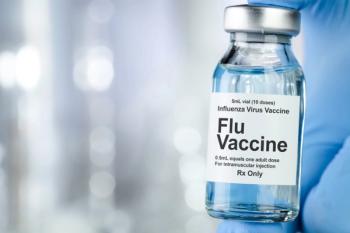
Over the past few years, especially through the various stages of the COVID-19 pandemic, community pharmacies have become the primary place for people to receive vaccines.1 In fact, of the approximately 32.2 million doses of updated 2023-2024 COVID-19 vaccines administered in the US, community pharmacies have administered nearly 30 million as of March 9, 2024.2 With growing numbers of patients looking to their local pharmacist for their vaccination needs, it is important for pharmacists to be prepared to recommend and administer all vaccines. It is not an exaggeration to say pharmacists are now widely considered vaccine experts, so it is critical that they be prepared to discuss not only routine vaccines such as influenza, COVID-19, varicella-zoster, and pneumococcal, but ones that are less common, as well.
Examples of nonroutine vaccines are those required for travel. As international travel returns to prepandemic rates, travelers who need vaccinations for their destinations will likely consult their pharmacists for assistance. It is possible that some pharmacists may not have experience in administering vaccines that provide protection against yellow fever virus, Japanese encephalitis virus, cholera, rabies virus, and typhoid fever. However, many pharmacists have provided doses of vaccines intended for travel purposes for different indications, such as those that offer protection against hepatitis A; hepatitis B; measles, mumps, and rubella; meningococcal disease; and tetanus.1 Although vaccination laws vary by state, pharmacists can generally administer all travel-related vaccines either through their prescriptive authority or a vaccine protocol in collaboration with a physician.
For pharmacists who are unfamiliar with travel health, continuing education courses are available on multiple platforms. 3 The first step in any travel vaccine consultation is gathering information from the patient. Recommendations will vary based on factors such as destination, duration of travel, lodging, altitude, and planned activities, among others. It should be noted that many travel health consultations also include prophylactic medications and behavioral advice.
The CDC provides a resource that allows health care providers to enter a traveler’s destination and view vaccine recommendations for that area.4 This information changes based on current disease activity and other factors, such as seasonal variations in risk (eg, mosquitos are more prevalent in some areas during the rainy season). Although there are many resources for pharmacists to use when preparing travel vaccine recommendations, the CDC’s website is a common starting point.
When recommending and administering travel vaccines, pharmacists should consider that many vaccines require multiple doses before the traveler’s departure date.1 Therefore, they should encourage patients who are taking trips to new or unfamiliar countries to have a travel health consultation at least 1 month before traveling. In some cases, accelerated dosing schedules are available for vaccines that are normally administered over a longer period. For example, it takes 6 months to be fully protected against hepatitis B when using traditional vaccine products and their dosing schedules. However, the time to effectiveness can be reduced to just 1 month using a 2-dose series of the recombinant,-adjuvanted hepatitis B vaccine (Heplisav-B; Dynavax) or accelerated dosing of the combination hepatitis A and hepatitis B vaccine (Twinrix; GSK).5,6