
GLP-1 receptor agonists, molecular profiling, and biomarker-driven treatment strategies may help improve outcomes and personalize care for patients at risk for or diagnosed with endometrial cancer.
GLP-1 receptor agonists, molecular profiling, and biomarker-driven treatment strategies may help improve outcomes and personalize care for patients at risk for or diagnosed with endometrial cancer.
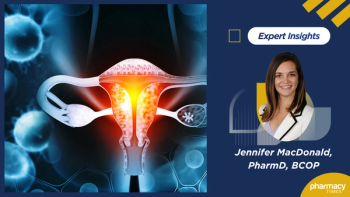
GLP-1 receptor agonists could influence endometrial cancer prevention, obesity management, fertility preservation, and molecularly guided treatment strategies in gynecologic oncology.

Emerging data support less intensive antithrombotic strategies for LVADs that could reduce bleeding complications without compromising thromboembolic protection.
Emerging evidence surrounding GLP-1 receptor agonists and progestin therapies could influence preventive care strategies and endometrial cancer risk reduction in high-risk patients.
Pharmacists help prevent communication breakdowns and improve coordination across oncology care teams.
The CADENCE trial showed that sotatercept reduced pulmonary vascular resistance and improved right ventricular function in CPC-PH.
Matthew Warrick, PharmD, BCPS, BCOP, discusses mechanisms, safety nuances, and practical considerations shaping bispecific antibody use in lymphoma care.

Prescriber incentives boost nicotine replacement therapy prescribing and enhance patient access to smoking cessation support in health care settings.

Pharmacists can help close the lung cancer screening gap by identifying high-risk tobacco users, increasing awareness, and connecting eligible patients to lifesaving early detection.

Lacy La Fever, PharmD, MS, discussed outcomes associated with different carboplatin AUC dosing strategies.

Lauren Dietz, PharmD, highlighted the role of oncology pharmacists in guiding prophylaxis decisions to optimize transplant outcomes.

The initiative will provide information about care models for specialists and clinical teams to improve patient outcomes in heart failure.

Cyclin-dependent kinase 4/6 (CDK 4/6) inhibitors have transformed the treatment of hormone receptor-positive/HER2-negative breast cancer across metastatic and early-stage settings, with ongoing research exploring their potential in additional breast cancer subtypes, combination therapies, and aggressive disease scenarios.
Pharmacists are encouraged to work closely with health care providers to ensure appropriate use of high-cost Intravenous immunoglobulin (IVIG) therapy for BK nephropathy.
Pharmacists can optimize IVIG treatment for BK nephropathy in kidney transplant recipients by educating providers and monitoring for infusion reactions.
Pharmacists are well-positioned to address diabetes from a multifaceted approach.

Two MUSC pharmacy technicians discuss how techs are pivotal in pharmacy, whether in the community or clinical setting, and how it is important to maintain high standard of care in a changing environment.

Simply stating a team member good job, whether it be within a group or in a 1-on-1 setting, 2 MUSC pharmacy technicians emphasize that recognition and encouragement go a long way.

Two MUSC pharmacists describe how pharmacists are often the educational resource for patients and can help when removing certain barriers to care.
Peer Reviewed
This review explores cytopenia after CAR T-cell therapy, including its risk stratification and management with growth factors, thrombopoietin-receptor agonists, and hematopoietic stem cell boosts.

Using information from clinical studies and her experiences working in the field, Stephanie Kirk describes treatment options that are on the horizon, and how removing stigma is key in HIV care.

Expert explains how the role of pharmacists in myelofibrosis treatment has evolved significantly over the past decade.

Sheldon Litwin, MD, a cardiologist at the Medical University of South Carolina, discussed the significant recent advances in anti-obesity drugs.