

Pharmacists play a significant role in managing gout by educating patients about the disease and ensuring proper medication adherence to urate-lowering therapy.
Pharmacists play a significant role in managing gout by educating patients about the disease and ensuring proper medication adherence to urate-lowering therapy.
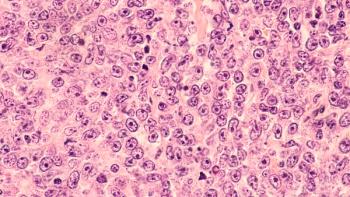
A phase 2 trial investigates MRD detection and therapy advancements.

Pharmacists ensure responsible antibiotic use, combating resistance through tailored therapies.

At the start of 2025, 590 drug prices changed, with only 7 drugs seeing decreases in wholesale acquisition costs (WAC).

A series of patient cases demonstrates the potential harm that patients with chronic inflammatory demyelinating polyneuropathy (CIDP) may face when transitioning from intravenous immunoglobulin (IVIG) to FcRn therapy.

The study found that internalizing and externalizing factors, brain maturation, and decreasing volumes of brain regions were linked to eating disorders.

The international cohort study evaluated the safety, efficacy of BCMA-targeting agents ciltacabtagene autoleucel and idecabtagene vicleucel.

Multiple treatments have been approved by regulators for the treatment of hemophilia A and B, giving pharmacists options for their patients.

Peer Reviewed
Raising awareness of the potentially fatal cardiovascular complications of epinephrine toxicity.

Investigators found that the polypill treatment improved cardiovascular disease and lowered health care costs.

KN026 is a humanized bispecific antibody that targets and binds to HER2 proteins on the surface of cancer cells.


In addition, pharmacists can screen for potential contraindications and drug-drug interactions.

Esketamine targets glutamate, the most abundant neurotransmitters in the brain.
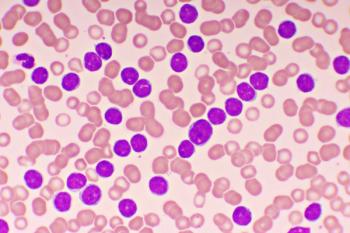
Investigators assessed fixed-duration venetoclax plus acalabrutinib with or without obinutuzumab vs chemoimmunotherapy.

As H5N1 bird flu outbreaks impact all 50 states, concerns grow over its spread to humans.

Jennifer Clements, a clinical professor and the director of pharmacy education at the University of South Carolina, discusses the pharmacists role in diabetes care.

Recommendations help influence the rate of gastric emptying, improve compliance, and prevent interruption of weight loss for patients.

The closure of Baxter’s North Cove facility has significantly impacted existing IV fluid shortages into 2025.

The authors found that humidity, cold and heat waves, and air pollution led to a higher likelihood of asthma- and chronic obstructive pulmonary disease (COPD)-related hospitalizations.

The California wildfires caused many medical and community challenges, including triaging services, addressing basic needs, and supporting displaced residents.

The Justice Department alleges that Walgreens acted in violation of the Controlled Substances Act and sought reimbursement for unlawful prescriptions, violating the False Claims Act.

Experts presented results that may transform treatment and clinical practice strategies.

Increased technician involvement also improves patient care nationwide.
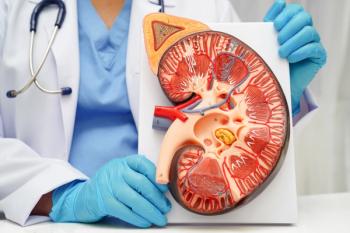
The reduction in cardiovascular end points and the increase in adverse events observed in a clinical trial were largely transportable to trial-eligible chronic kidney disease (CKD) populations from clinical practice.

Farah Towfic, PharmD, MBA, RPh, explains the importance of USP's expert volunteer recruitment, particularly among pharmacists, to help create public quality standards, promote health literacy, and support initiatives, with applications open until March 13, 2025, for the next strategic cycle beginning July 1, 2025.
Presentations detail clinical trial results and drugs in the pipeline.

Palbociclib is an oral CDK4/6 inhibitor that was approved by the FDA in 2017.
The report from the Office of Inspector General highlights inconsistencies, lack of transparency, and the need for stronger safeguards.
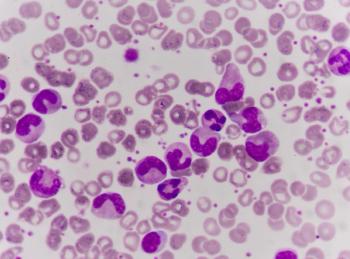
Admissions to the hospital for fever were reduced in pediatric patients with medium-risk ALL receiving intravenous immunoglobulin, a potentially useful finding to help prevent infections in vulnerable patients.