

Real‑world study finds grade 1 CRS during CD20 bispecific therapy for follicular lymphoma is often safe at home, reducing hospital use.
Real‑world study finds grade 1 CRS during CD20 bispecific therapy for follicular lymphoma is often safe at home, reducing hospital use.
The landscape of cardiovascular prevention is shifting from a focus on surrogate biomarkers to a more granular, image-based assessment of actual disease burden.
Craig Beavers, PharmD, discusses transthyretin amyloidosis cardiomyopathy (ATTR-CM) red flags, treatment evidence, and how pharmacists can drive earlier diagnosis and improve patient outcomes.
Data presented at EHA 2026 continue to support venetoclax plus obinutuzumab as a first-line treatment for patients with chronic lymphocytic leukemia (CLL).
The indication is for adjuvant treatment of adults with high-risk clear cell renal cell carcinoma (RCC) following nephrectomy, based on LITESPARK-022 showing a significant improvement in disease-free survival.

Student pharmacists boost dermatology literacy in underserved communities, improving sunscreen habits, skin cancer warning recognition, and practical skin health self-care.
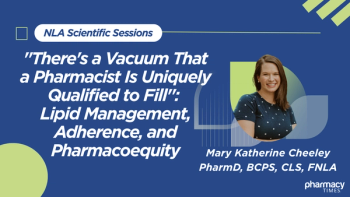
From prior authorization barriers to population health gaps, Cheeley explains why adherence — not initiation — is where pharmacists can make their biggest impact.
This week's episode covers the first-ever joint guidelines for cardiovascular-kidney-metabolic syndrome, key highlights from ASCO 2026 and ADA 2026, and new FDA approvals in diabetes, infectious diseases, and pain management.
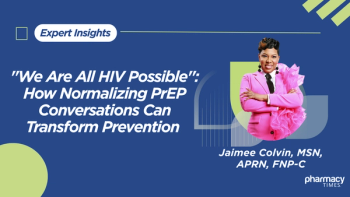
Persistent HIV stigma, provider reluctance, and harmful misconceptions about who PrEP is for continue to prevent cisgender Black and Brown women from accessing lifesaving prevention.

Landmark data from three major trials published simultaneously suggest finerenone may protect kidney function and reduce cardiovascular risk across a far broader CKD population than current guidelines recognize.

Mayo Clinic tackles medication shortages with batching and fair overtime, keeping oncology acetaminophen available in a Pharmacy Times peer review.
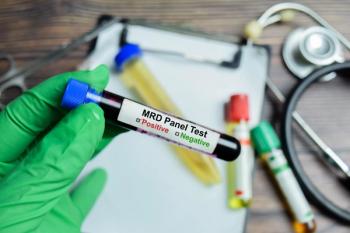
MRD monitoring detects microscopic disease levels to guide treatment decisions, providing actionable insights for pharmacists.
New 2026 lipid guidelines push earlier screening, PREVENT risk scoring, and tougher LDL/ApoB targets with expanded nonstatin options.

A reflection from HOPA 2026 explores medical misinformation and how oncology pharmacists can strengthen trust and guide evidence-based patient care.
New data from the phase 3 DeLLphi-304 trial suggest tarlatamab significantly improves intracranial efficacy outcomes, CNS progression-free survival, and overall survival in patients with relapsed small cell lung cancer (SCLC) and baseline brain metastases.
Jessica Dunne, PhD, discusses why adult type 1 diabetes (T1D) is frequently misdiagnosed as T2D in patients with gestational diabetes mellitus (GDM) and how autoantibody testing could close the diagnostic gap.
Pharmacy Times interviews Tracey Taveira, Pharm.D., CDOE, CVDOE, on the key challenges she discovered in optimizing cardio-renal risk in diabetes that she presented in ADA 2026.
Phase 3 frontMIND phase 3 trial data show tafasitamab plus lenalidomide with R-CHOP boosts PFS and has manageable safety in high-risk newly diagnosed DLBCL.

Skin Cancer Awareness Month in May spotlights oncology pharmacists driving prevention, innovative care, and supply-chain resilience built on patient trust.

Although polypharmacy is common in older adults and may increase the risk of adverse events and drug-drug interactions, statin therapy may continue to provide benefit in patients older than 75 years.

Time to next treatment (TTNT) is an emerging real-world end point in CAR T-cell therapy that reflects treatment durability, clinical outcomes, and health care system factors beyond traditional efficacy measures.
The misinformation is rampant, the adverse effect expectations are wildly off, and the patient psychology is complex.
Stephanie Dwyer Kaluzna, PharmD, BCCP, discusses atrial fibrillation (AFib) anticoagulation risk stratification, therapy selection, and the emerging role of factor XI/XIa inhibitors.
Mary Katherine Cheeley, PharmD, BCPS, CLS, FNLA, highlights key data and events at the 2026 NLA Scientific Sessions.
Craig Beavers, PharmD, shares his initial thoughts on the new 2026 CKM guidelines, which highlights a landmark shift in cardiovascular care.

Temperature differences between exhaled air and ambient environments significantly affect how respiratory aerosols disperse.
Pharmacy Times interviews Tracey Taveira, Pharm.D., CDOE, CVDOE, to discuss pharmacist impact, VA system insights and practical lessons in cardio-renal diabetes care that she discussed in her presentation at ADA 2026.
Joseph Saseen, PharmD, discusses how pharmacists can overcome therapeutic inertia and sequence nonstatin therapies to help patients reach individualized LDL-C goals.

Chai Discovery’s collaboration with Eli Lilly highlights the growing role of AI in biologics discovery, leveraging generative AI models to accelerate design and optimization of novel therapeutic proteins and antibodies.

Advances in Alzheimer disease diagnosis and treatment are reshaping care, highlighting the pharmacist’s role in medication management, patient education, and overcoming barriers to access.