

The study authors note that interventions to reverse frailty, such as screening and assessments to identify issues, can help in the management of COPD and asthma and lead to better prognoses.
The study authors note that interventions to reverse frailty, such as screening and assessments to identify issues, can help in the management of COPD and asthma and lead to better prognoses.
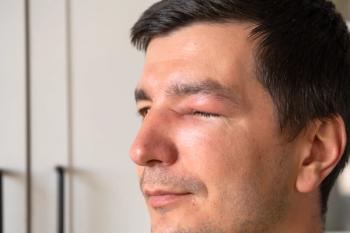
Previously, garadacimab was granted an orphan drug designation as a therapy for hereditary angioedema by both the FDA and EMA.

Less than 1% of individuals developed Clostridioides difficile infection (CDI), but for those who previously had a CDI the year before, 12% developed a new infection.
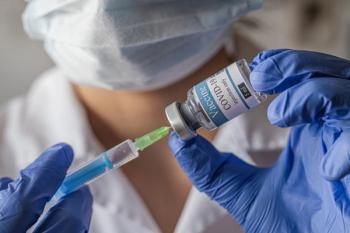
The antibody response among those that interrupted treatment was doubled at 4 weeks and 1.5 times greater at 26 weeks.

Treatment options can be limited for this patient population.

Rosemary Sassic-Mihalko, PharmD, is the fourth owner and first female owner of pittsburgh’s oldest pharmacy

Fran Gregory, PharmD, MBA, vice president of emerging therapies at Cardinal Health, discusses the dynamic landscape of the biosimilars market, providing key insights into its current status and future projections.

Using information from clinical studies and her experiences working in the field, Stephanie Kirk describes treatment options that are on the horizon, and how removing stigma is key in HIV care.

There is a prognostic impact of clinical and immunohistochemistry markers.
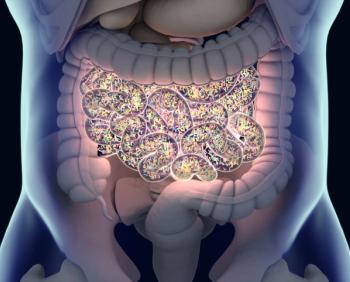
In the study, a new policy empowered unit-based pharmacists to evaluate the patient’s needs and, when safe, switch from a PPI to an H2 blocker.

The most recent advances included an approved vaccine that could immunize both the elderly and pregnant women, along with the release of nirsevimab.

The approval marks the first for an alternative to platinum-containing chemotherapy.

Older individuals and individuals that experienced severe COVID-19 are at high risk of increased cardiac disturbances.

Unsuccessful arguments at trial court level are upheld on appeal

Investigators analyzed the effects of harmful accumulation of HDAC6 in the brains of mouse models with Alzheimer disease to determine any changes in disease progression.

The study, which consists of 3 trials, will continue with oral PrEP regimens; however, the vaccination trials have stopped due to the unlikely chance of the vaccine showing efficacy.

Although treatment is effective, AEs remain difficult for patients.

The differences between the regimens, anti-PD1/CTLA-4 and anti-PD1/LAG-3, can be used to optimize outcomes for patients with melanoma, particularly in those who develop drug resistance.

Moderate cycling improved cognitive function in patients who got partial or no sleep.

Stress usually occurs as a byproduct of workplace powerlessness because feelings of powerlessness at work prevent us from being the kind of human beings we need to be.

The researchers emphasized that individuals must advocate for new policies that could aid regulation of harmful information being shared through social media platforms.

Belzutifan (Welireg; Merck) demonstrated superior progression-free survival compared to everolimus in advanced renal cell carcinoma.

This month's Pharmacy Times Condition Watch features obesity and type 2 diabetes.
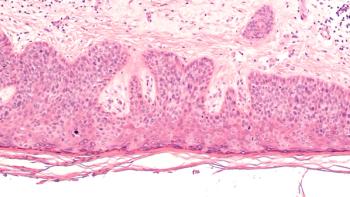
The protein STAT3 is present in approximately 70% of tumors, with elevated levels of the protein being an indicator of poor prognoses in patients.
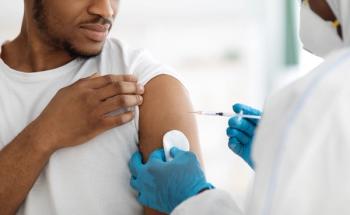
The proposed Vaccine Injury Compensation Modernization Act is intended to bring valuable updates to the 36-year-old legislation.

Investigators also found that the results demonstrated lower death and hospitalization rates for those with advanced heart failure treated with cell therapy.

Hospice care is only a part of palliative care services.

Douglas Warner, MD, chief medical officer at eFFECTOR, provides a comprehensive overview of zotatifin and its current status in a Phase 1/2 dose escalation and expansion study, with a focus on ER+/HER2- breast cancer.

Feldman, who previously had C. diff, urges individuals to begin having conversations to help remove the stigma of the disease and raise awareness of its prevalence.

This is the first FDA approval for a therapy intended to reduce the risk of relapse in patients with high-risk neuroblastoma.