




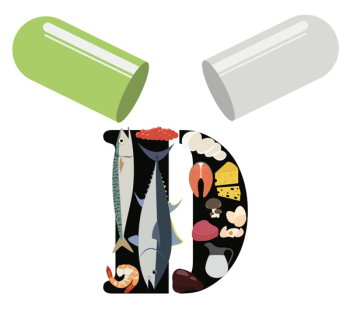
Vitamin D promotes calcium absorption in the gut and maintains adequate serum calcium and phosphate concentrations to enable normal bone mineralization and to prevent hypocalcemic tetany.

Vitamin D promotes calcium absorption in the gut and maintains adequate serum calcium and phosphate concentrations to enable normal bone mineralization and to prevent hypocalcemic tetany.
The investigators examined data from more than 50,000 individuals participating in the Danish Diet, Cancer, and Health study over a 23-year period.

In this third video in a series collaboration between Pharmacy Times and USP, Jeanne Sun, PharmD, JD, counsel, legal at USP, discusses information to help pharmacists counsel patients on quality expectations in the pharmacy.
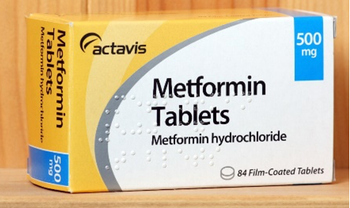
Patients on metformin should check their vitamin B12 levels on regular basis to make sure it is at normal range.

Trials were conducted on participants with the chronic digestive condition to assess whether vitamin D reduced the severity of their symptoms and whether it could improve their quality of life.
A new survey conducted by The Harris Poll on behalf of the Samueli Foundation found that 29% of Americans are taking more supplements compared with before the COVID-19 pandemic, bringing the nationwide percentage of supplement-takers to 76%.

HR 841 has bipartisan support, ensuring the FDA recognizes the products as dietary supplements.

Presented during Cardinal Health’s Retail Business Conference, the findings show that 1 in 4 shoppers is 40 years of age or younger, compared to pharmacists’ expectation that the majority of their customers are between 51 and 64 years of age.

Men under 55 years of age had a 25% lower risk of heart attack and stroke, whereas men over 60 had a 15% reduced risk with testosterone supplementation.
Researchers hypothesized that people may look for the UV-B type of UV light because they are unaware of their need for endorphins.

The investigators conducted a systematic review of the existing literature using the Preferred Reporting Items for Systematic Reviews and Meta-Analyses guidelines to evaluate the efficacy of dietary supplements and alternative therapies for weight loss in participants aged 18 and older.

The omega-3 polyunsaturated fatty acids eicosapentaenoic acid and docosahexaenoic acid were applied first in high doses to lab-grown neurons and then in patients to understand the mechanism by which they reduce inflammation and depression.
Results of various studies show potentially promising clinical benefits associated with the use of supplementation in individuals who have the virus.

Two studies in the 1990s identified gum bleeding as a biomarker for vitamin C levels, although this connection somehow disappeared in dental conversations around gum bleeding.
Study shows no evidence for an association between genetically predicted vitamin D levels and COVID-19 susceptibility, hospitalization, or severe disease

Previous research indicates that probiotics decrease upper respiratory infections in healthy adults and children, but limited data exist on older, overweight, and people with obesity.

Guillermo Rodriguez Navarrete, the founder and CEO of Nutrillermo, and Elaine Ladd, the chief pharmacy officer of Pharmacy Development Services (PDS), discuss the role of social media in the health and wellness space.

Guillermo Rodriguez Navarrete, the founder and CEO of Nutrillermo, and Elaine Ladd, the chief pharmacy officer of Pharmacy Development Services (PDS), discuss whether the shift in the public's awareness of the critical role of the pharmacist during the pandemic could support pharmacists’ move to a more significant role in the health and wellness space.
Individuals who took probiotics during the 6-month-long study had a 27% lower overall incidence of upper respiratory tract symptoms compared to the placebo group.

Guillermo Rodriguez Navarrete, the founder and CEO of Nutrillermo, and Elaine Ladd, the chief pharmacy officer of Pharmacy Development Services (PDS), discuss challenges pharmacists may face while expanding into the health and wellness space.

Guillermo Rodriguez Navarrete, the founder and CEO of Nutrillermo, and Elaine Ladd, the chief pharmacy officer of Pharmacy Development Services (PDS), discuss the 2021 Virtual PDS Conference session on growth opportunities in the health and wellness space for pharmacy.
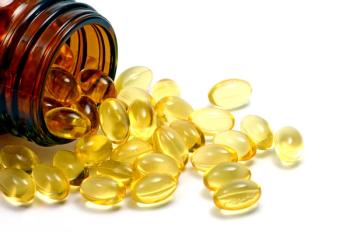
Supplements for Omega-3s often contain both EPA and DHA.

According to the authors of the study, 60% of men and 50% of women participating in the study were not consuming as much vitamin C as was recommended.
Presented at the European Congress on Obesity, the analysis includes data from 121 trials with nearly 10,000 adult participants.
Experts estimate that 60% of adults have insufficient levels of vitamin D, which is known to promote bone and soft tissue health.