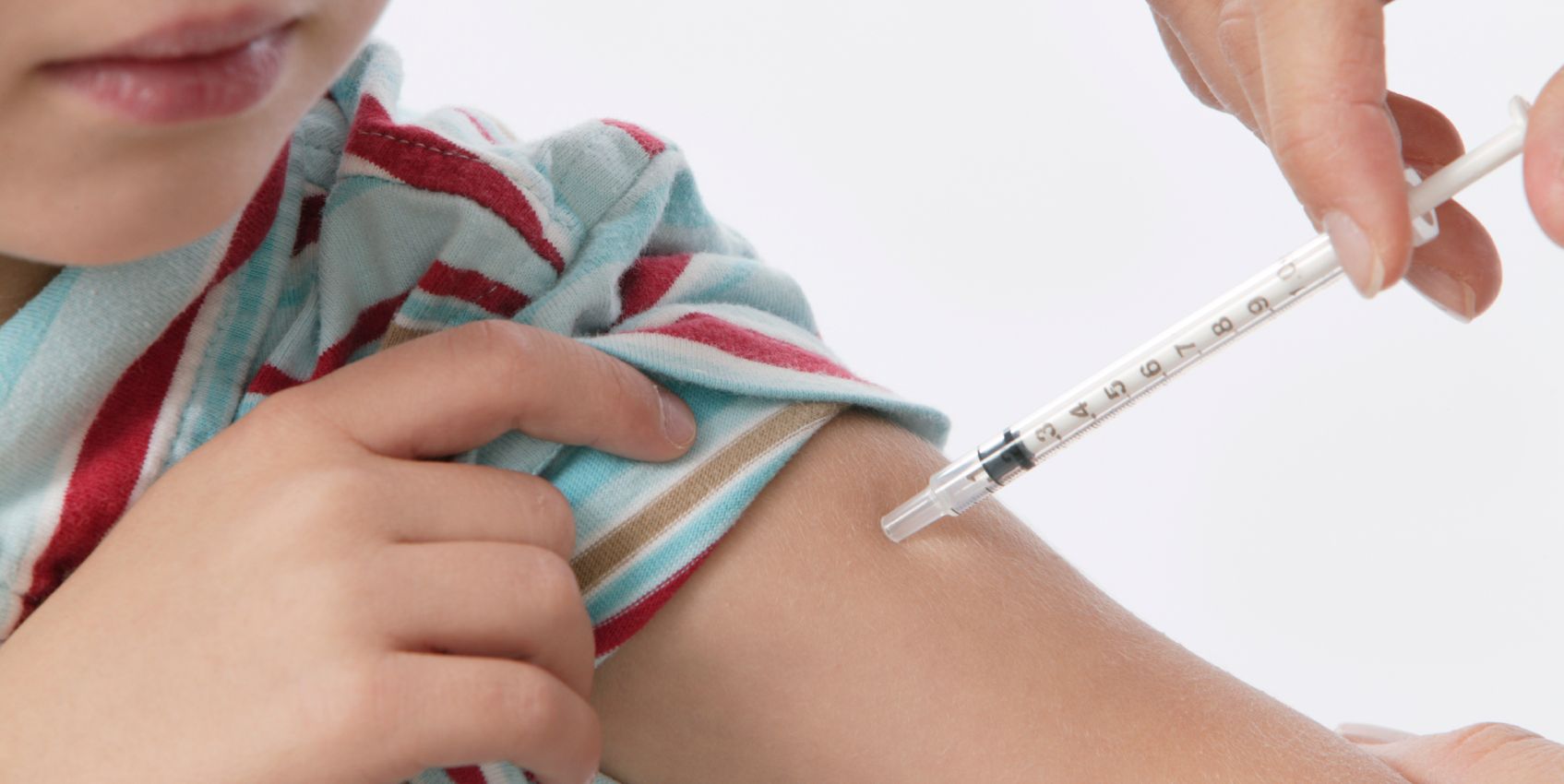


HPV vaccination rates remained low for the second consecutive year, the CDC reports.
HPV vaccination rates remained low for the second consecutive year, the CDC reports.

The number of measles cases reported to the Centers for Disease Control and Prevention during the first 5 months of 2014 is the highest reported for that period since 1994.

A small study suggests that pertussis vaccination during pregnancy increases antibody concentration in infants without increasing the rate of adverse reactions.

A report finds that childhood vaccinations, boosted by the Vaccines for Children program, will prevent 322 million illnesses and 21 million hospitalizations throughout the lives of children born in the last 2 decades.

Research from the United Kingdom suggests that getting the influenza vaccine, especially early in the flu season, significantly reduces one's risk of stroke.

Getting childhood vaccinations according to the recommended schedule appears to reduce the risk of hospitalization for infections, according to the results of a Danish study.

Recommendations for vaccinations vary by age and risk.

A Danish study finds that vaccination against the human papillomavirus is associated with reduced rates of precancerous cervical lesions in young women.

Data from California indicate that there have been more severe flu cases this season than in any season since the 2009 H1N1 pandemic, and two-thirds of severe cases have occurred in those aged 41 to 64.

Non-influenza vaccine coverage for adults increased somewhat in 2012, but continued to lag behind goals, particularly for racial and ethnic minorities.
Recommendations from health care professionals may improve uptake of the human papillomavirus vaccine, according to a systematic review.

Perceptions of the risk of contracting a sexually transmitted disease after receiving the first dose of the HPV vaccine were not associated with rates of risky sexual activity among adolescent girls, a study finds.

A new study provides evidence that diabetes patients should receive the influenza vaccine, though its results are not as strong as those produced by previous studies.
One in 3 individuals is at risk for developing shingles.
One in 3 individuals is at risk for developing shingles.
The struggles of managing rheumatoid arthritis and how pharmacists can help are illustrated through one patient's experience.

A CDC report finds that vaccination had a particularly profound effect on high-risk populations, but that higher rates of coverage would have prevented millions more cases of flu.
FIT biotech, a Finnish company, expects to begin clinical trials of a vaccine for HIV-infected patients in 2014.

Our review of the year's most popular and important stories in pharmacy-from the push for pharmacist provider status to the ongoing fight against prescription drug abuse.
A new report from the CDC finds that almost 50% of asthma patients received a flu shot in the 2010-2011 season, compared with 36% of asthma patients in the 2005-2006 season.

A study comparing rates of contagious disease before and after the introduction of vaccines finds that vaccines have prevented more than 100 million disease cases in the United States over the past 90 years.

A reduction in pediatric health care visits related to otitis media between 2001 and 2011 appears to be due to uptake of the pneumococcal conjugate vaccine, according to the results of a new study.

Stephan Foster, PharmD, FAPha, discusses which vaccines pharmacists should be providing in addition to the seasonal influenza vaccine.

A review of data on vaccine coverage from 2008 to 2010 finds that HPV vaccine uptake among young women was significantly lower in the South than in other parts of the country.

Hospitalization rates of infants due to whooping cough were generally significantly lower after recommendations were expanded to advise all adolescents to receive the Tdap vaccine.