


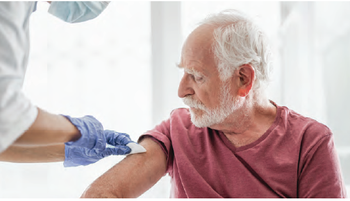
Being knowledgeable about the guidelines and risk factors for patients is important to ensure that they get the proper counseling on immunizations.
Being knowledgeable about the guidelines and risk factors for patients is important to ensure that they get the proper counseling on immunizations.

The National Quality Strategy aligns the health care community in efforts to improve the quality of health care delivery.

Measles, although highly contagious, can be prevented altogether through widespread vaccination.
Special Pull-Out Page

This weekly video program provides our readers with an in-depth review of the latest news, product approvals, FDA rulings, and more. Our Week in Review is a can't miss for the busy pharmacy professional.

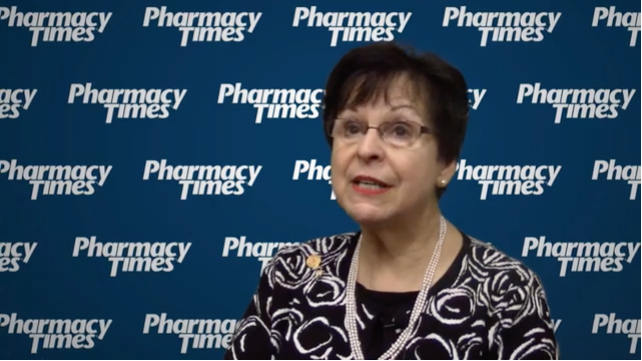
What are the risks and benefits associated with vaccines? Mary Koslap‐Petraco DNP, PNPPC‐BC, CPNP, FAANP of Stony Brook University School of Nursing and Pediatric Nurse Practitioner House Calls explains the effects of vaccination.
Vaccine misinformation is part of the growing problem that is creating a public health crisis, especially surrounding the global measles outbreak.

Top news of the day from across the health care industry.
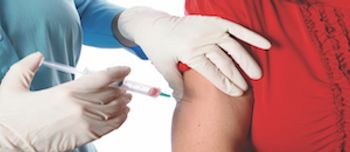
Expert witnesses all testified that there is no evidence to support the belief by some parents that vaccines cause autism.
Investigators from the CDC Human Papillomavirus (HPV) Vaccine Impact Monitoring Project (HPV-IMPACT) sought to determine whether HPV types 16 and 18, which are responsible for approximately 70% of cervical cancers worldwide, are also decreasing.

The agency urges the public to receive a vaccine if they have not already done so.
For this edition of Throwback Thursday, we look back in time at Jonas Salk and his research.
The findings reinforce the effectiveness of the HPV vaccine in preventing cervical cancer.
Why is this patient requesting the flu vaccine in the middle of June?

Study findings also suggest a path forward to create even more effective flu vaccines.
Immunizations lower the risk of cardiovascular complications, preventing serious illnesses and saving lives.

Writing in The Journal of Infectious Disease, they noted that pregnant women tend to be treated as high-priority patients when it comes to influenza prevention and treatment, but they said there is relatively little evidence clarifying exactly how outcomes differ for pregnant women versus nonpregnant women.
Top news of the day across the health care landscape.

The flu vaccine prevented 7.1 million illnesses, according to the analysis, along with 109,000 hospitalizations, and 8000 deaths, during the 2017-2018 influenza season.
Amid a global measles outbreak, some teenagers are questioning their anti-vaxxer parents about not vaccinating them against many dangerous and deadly diseases.

Throughout the country, 47 states and Puerto Rico experienced this in the week ended February 2.
Zoster vaccine recombinant, adjuvanted (Shingrix, GlaxoSmithKline) was approved in October 2017 for the prevention of the viral infection in adults 50 and older.
At least 79 individual cases of measles in the United States have been reported since the start of 2019.