






Vaccines
Latest News
Advertisement
Latest Videos








Advertisement
More News

An overview of updated CDC ACIP recommendations for COVID-19 vaccines available through commercial channels for the 2023-2024 season.

In a recent study, approximately 99% of children who received solid organ transplant and live vaccination against rubella had antibodies 1 to 3 months post-vaccination.

Understanding the recommended ages for vaccination is crucial to properly advise patients and parents who have questions

In this episode, John Beckner, RPh, of the National Community Pharmacists Association, speaks with Ed Cohen, PharmD, FAPhA, about seasonal immunizations, specifically the new COVID-19 formulations.

Engaging technicians in immunizations has been crucial to public health

Investigators suggest that the Bacille Calmette–Guérin vaccine, which prevented tuberculosis in nonhuman primates infected with SIV, can also protect against HIV.

The clinical trial success in canines may have broader implications for applicability.

mRNA-1083 (Moderna) was found comparable to the standard dose of Fluarix (GSK) in adults aged 50 to 64 years and Fluzone HD ( Sanofi) for influenza and Spikevax (Moderna) for COVID-19.

NVX-CoV2601 vaccine adjuvanted 2023-2024 formula granted EUA for the prevention of COVID-19 in those 12 years of age and older.

Similarly, the results of a survey by the National Foundation for Infectious Diseases demonstrated that approximately 23% were worried about COVID-19 and 19% for respiratory syncytial virus.

Katalin Karikó, PhD, and Drew Weissman, MD, PhD, win Nobel Prize for discoveries in the area of nucleoside base modifications that enabled the development of effective mRNA vaccines against COVID-19.
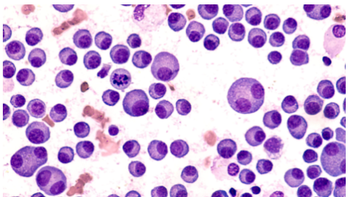
Most patients had improved clinical response within 90 days of receiving the dendritic cell vaccine and ASCT.

With respiratory syncytial virus vaccine development for infants and children proceeding slowly, therapeutic developers have focused on passive immunity

Pharmacists play a vital role in providing education and administering influenza, COVID-19, and RSV Vaccines

Combining strong evidence-based recommendations with caring, compassionate, and frequent counseling opportunities hopefully will increase vaccine acceptance and ultimately reduce the incidence of HPV and associated cancers among our patients.

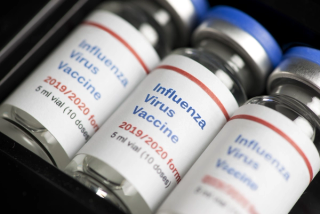
Experts answer questions on influenza vaccines.

Community pharmacies and organizations can collaborate to tailor strategies and interventions and address the challenges and specific needs of the community.

Expert panelists addressed concerns about the COVID-19 vaccine costs, availability, efficacy, and timing.

By educating their patients on the provisions of the Inflation Reduction Act, pharmacists can have an even greater impact by increasing vaccine uptake in historically underserved groups.
Compared with COVID-19 vaccination alone, recent study findings show health care workers who received both a COVID-19 booster and influenza vaccinations did not have lower immune response or more frequent adverse events.

Evidence-based programs and policies to improve vaccine uptake are necessary for both caregivers and the general public because influenza vaccine coverage remains low for both groups.

The CDC emphasized the need for protein-based vaccine options in endorsing a vote by the Advisory Committee on Immunization Practices for the universal recommendation of the 2023-2024 monovalent, XBB containing COVID-19 vaccines.

Vaccine administration provides benefits at the patient and public health levels, and pharmacists are critical members of health care teams that provide these vital biologic medications.

Senate Bill 219 will also allow pharmacists to independently administer influenza and COVID-19 tests waived by the clinical laboratory improvement amendments.
While monitoring influenza virus resistance as it develops, researchers are prioritizing further investigations to decrease the risk of resistant strains.
Advertisement
Advertisement
Trending on Pharmacy Times
1
Combined Cardiometabolic Biomarker Burden Tracks CKM Progression
2
Flu Vaccination Linked to Fewer Severe Outcomes in Older Adults, Fewer ED Visits in Children
3
FDA Approves Bepirovirsen, First ASO for Chronic Hepatitis B
4
FDA Approves Awiqli, Once-Weekly Insulin, for Children Aged 10 Years and Older With T2D
5