































































































Study suggests link between diabetes and exposure to DDT, PCBs, and perfluoroalkyl.
Study suggests link between diabetes and exposure to DDT, PCBs, and perfluoroalkyl.
Label expansion includes treatment of cardiovascular disease in adult patients with type 2 diabetes.
The FDA has approved a new indication for Boehringer Ingelheim’s empagliflozin (Jardiance), allowing it to be used to reduce the risk of cardiovascular death in adult patients with type 2 diabetes and cardiovascular disease.

A diagnostic diabetes breathalyzer may one day become a reality.
Phase 3 trials showed that empaglifloxin can reduce blood pressure in type 2 diabetes patients.

A hormone produced in the venom of the platypus and echidnas holds future potential to provide clues about treating diabetes, according to a study published in the Nature journal Scientific Reports.

The For Your Sweetheart campaign aims to improve education about the link between heart disease and diabetes.
A newly developed hand-held breath analyzer tests for elevated levels of acetone, which is strongly associated with undiagnosed diabetes.

The cost of providing essential medications may not be too costly in low- and middle-income countries.
Anti-vascular endothelial growth factor agents are the criterion standard for diabetic macular edema.

Soliqua 100/33 is a combination treatment of Lantus and lixisenatide for the treatment of type 2 diabetes.
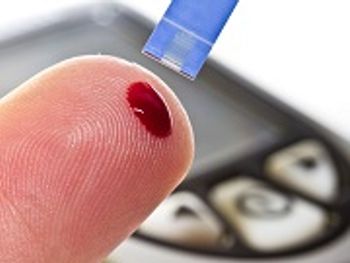
Contour Next One Blood Glucose Monitoring System features a blood glucose smart meter that connects to the Contour Diabetes app.

Pharmacists improve care for patients in many settings, especially for diabetes.

Pharmacists are slowly changing the way they deliver their services. Previous professional literature has demonstrated pharmacists' potential through studies of how clinical pharmacists improve care for patients in many settings, especially for diabetes.
Officials with Ascensia Diabetes Care have announced that the Contour Next One Blood Glucose Monitoring System has received FDA 510(k) clearance.
Ingredient in aspirin combined with popular diabetes drug can turn off faulty protein that plays a key role in inflammatory diseases, such as rheumatoid arthritis.

An initiative that lowered copays for prescription drugs also lowered hospitalizations by 40%
Targeted personalized therapy in patients with diabetes can reduce the risk of developing cancer.
The FDA has approved Sanofi’s once-daily Soliqua 100/33 (insulin glargine and lixisenatide injection) for the treatment of adults with type 2 diabetes.

The FDA has approved the new drug application for Novo Nordisk’s Xultophy 100/3.6 as an adjunct to diet and exercise in adults with type 2 diabetes.

Type 2 diabetes patients struggle with high blood glucose levels that can damage nerves and blood vessels, factors that could trigger heart attacks.
Diabetes is a complex disease affecting 29.1 million individuals in the United States.

The holidays are just around the corner, but that’s not the only exciting thing about this time of year. ASHP’s 2016 Midyear Clinical Meeting is coming up, and Pharmacy Times is on site covering it.

New findings draw parallels between Alzheimer’s disease and diabetes.
Low health literacy, financial instability, and lack of social support promote poor adherence.