






















































































A look at last week's top stories in the world of pharmacy.
A look at last week's top stories in the world of pharmacy.
A look at last week's top stories in the world of pharmacy.
Sunitinib malate (Sutent) is an adjuvant therapy for adults at risk of recurrent renal cell carcinoma following nephrectomy.

Fulvestrant (Faslodex) plus abemaciclib may improve progression-free survival among patients with advanced or metastatic breast cancer.
Exposure to ammonia found to amplify breast cancer cell proliferation.
Study finds association between warfarin use and cancer incidence to determine whether warfarin has anticancer potential.
Brentuximab vedotin (Adcetris) improves survival among patients with anaplastic large cell lymphoma or CD30-expressing mycosis fungoides.
Brentuximab vedotin (Adcetris) improves survival among patients with anaplastic large cell lymphoma or CD30-expressing mycosis fungoides.
Ribociclib (Kisqali) combination therapy may improve survival among premenopausal breast cancer patients.
A comprehensive knowledge of the risk of breast cancer can lead to better screening.
Trastuzumab monotherapy was not linked to surgical complications among patients with breast cancer undergoing reconstruction after a mastectomy.
A byproduct of cholesterol metabolism may fuel the spread of solid tumors.

Exposure to many chemicals, including gasoline, can heighten the risk of developing breast cancer.
New discovery about EGFR signaling may prevent cancer cells from spreading.
The mechanisms of BRCA mutations are still largely unknown.
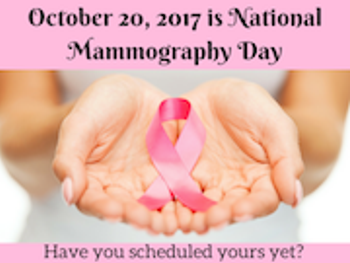
Mammography plays an important role in breast cancer detection.
Early detection is crucial for breast cancer survival.
Top news of the day from across the healthcare landscape.

Top news of the day from across the healthcare landscape.

Mastectomy rates increased after actress Angelia Jolie announced her procedure.
Mass spectrometry device rapidly identifies molecular profile of cancerous tissue.

Top news of the day from across the health care landscape.
Top news of the day from across the healthcare landscape.
Gadolinium-containing imaging agent could improve breast cancer survival.
Pertuzumab-based regimen shows promise treating adjuvant treatment of HER2-positive early breast cancer.