

Pharmacists who educate patients with multiple sclerosis and expand their understanding and knowledge of the condition empowers them to take part in a more active role in managing their health.
Pharmacists who educate patients with multiple sclerosis and expand their understanding and knowledge of the condition empowers them to take part in a more active role in managing their health.
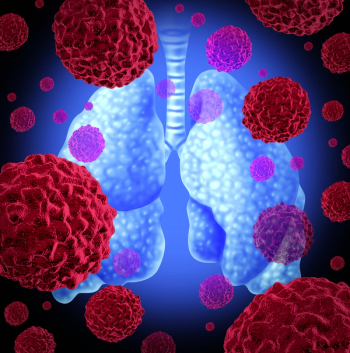
Melissa Johnson, MD, program director of Lung Cancer Research at the Sarah Cannon Research Institute, discusses her presentation at the Community Oncology Alliance 2022 conference on new drugs in the non-small cell lung cancer space.

Jim Schwartz, RPh, executive director of pharmacy operations for Oncology Pharmacy Services, discusses his presentation at the Community Oncology Alliance 2022 conference on the new world of oral cancer drug dispensing.

Alpelisib is the first FDA-approved treatment for PROS, which is a range of rare conditions characterized by overgrowths and blood vessel anomalies.
Pharmacy workflow changes in the preparation of chemotherapy products can reduce patient chair time.

The value of a patient-first approach and telehealth for addressing the complex health care coordination needs of patients with rare pulmonary diseases has never been more critical than during the COVID-19 pandemic.

The entire pharmacy profession and all those interested in medication safety need to coalesce around the need for systemic change in community pharmacy workplace environments.
Sirolimus is the first topical treatment to gain FDA approval for facial angiofibroma associated with tuberous sclerosis complex.

Axicabtagene ciloleucel (Yescarta) approved for patients with large B-cell lymphoma that is refractory to first-line chemoimmunotherapy or relapses within 12 months of first-line chemoimmunotherapy.

Sarah Wheeler, PharmD, BCOP, clinical pharmacy specialist in Hematology/Oncology at UF Health Shands Cancer Hospital, discusses some of the barriers that patients with cancer may encounter following their diagnosis.

Session at the Hematology/Oncology Pharmacy Association Annual Conference 2022 focuses on methods to improve emotional exhaustion among pharmacists and other health care providers.

Rucaparib (Rubraca) significantly improved progression-free survival when administered as maintenance treatment in newly diagnosed patients with advanced ovarian cancer.

Ted Okon, MBA, executive director of the Community Oncology Alliance (COA), discusses key highlights from the in-person COA 2022 conference.

These include progression-free survival, time to treatment failure, and time to tumor progression, according to a presentation at the Hematology/Oncology Pharmacy Association conference.

21-gene profiling is also preferred for patients with 1 to 3 pathologically positive lymph nodes, according to a presentation at the Hematology/Oncology Pharmacy Association conference.

Pharmacist interactions provide significant benefits for patients with non-small cell lung cancer treated with oral oncolytics.

Christy S. Harris, PharmD, BCOP, FHOPA, clinical pharmacy specialist at Dana-Farber Cancer Institute, discusses guidelines for common therapies and appropriate monitoring recommendations for selected therapies used in the treatment of adult sarcomas.

Heidi D. Finnes, PharmD, BCOP, FHOPA, president-elect of Hematology/Oncology Pharmacy Association (HOPA), discusses ways to address burnout in the hematology/oncology space.
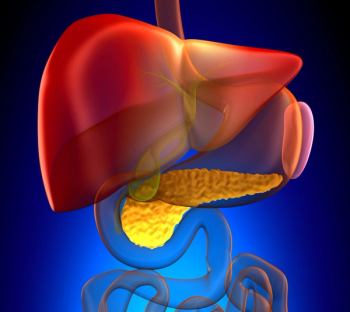
FDA to evaluate New Drug Application for futibatinib in the treatment of patients with previously treated locally advanced or metastatic cholangiocarcinoma.

The Roche subsidiary reports that it will continue to evaluate tiragolumab plus Tecentriq and chemotherapy in non-small cell lung cancer and other cancer types through more phase 3 trials.
Heidi D. Finnes, PharmD, BCOP, FHOPA, president-elect of Hematology/Oncology Pharmacy Association (HOPA), provides details of the upcoming HOPA 2022 conference.
ImmunoGen, Inc submits Biologics License Application under the accelerated approval pathway for mirvetuximab soravtansine monotherapy for patients with FRα-high platinum-resistant ovarian cancer previously treated with 1 to 3 prior systemic treatments.
Veyonda, a novel proprietary formulation of idronoxil, is a first-in-class, dual-acting oncotoxic and immuno-oncology molecule.

New validated testing method for multiple sclerosis measures kappa immunoglobulin free light chains in cerebrospinal fluid.

Elizabeth Spurlock, MA, PHR, director of HR Business Partner at Texas Oncology, discusses how burnout among physicians, nurses, and hospital administrators has impacted the role of the pharmacist in patient care.
Heidi D. Finnes, PharmD, BCOP, FHOPA, president-elect of Hematology/Oncology Pharmacy Association (HOPA), provides details of the upcoming HOPA 2022 conference.

Abemaciclib (Verzenio; Lilly) is the first addition to adjuvant endocrine therapy approved by the FDA in two decades.
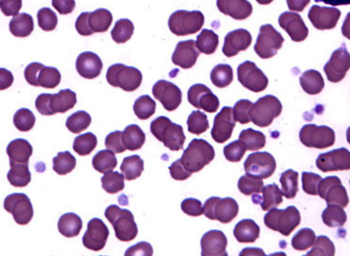
Acalabrutinib (Calquence; AstraZeneca) provides efficacy while maintaining favorable tolerability for patients with chronic lymphocytic leukemia.

FDA seeks to reduce diversion of pharmaceutical products via sales by unlicensed distributers and tighten up the supply chain by vetting trading partners.
Larry Buie, PharmD, BCOP, FASHP, outgoing president of the Hematology/Oncology Pharmacy Association (HOPA), shares some details of HOPA’s upcoming 2022 annual conference in Boston and provides an overview of his term as HOPA’s president.