Study finds link between higher insulin doses and the risk of developing cancer in patients with type 1 diabetes.

Study finds link between higher insulin doses and the risk of developing cancer in patients with type 1 diabetes.

The FDA approval of fam-trastuzumab deruxtecan-nxki (Enhertu) to treat HER2 mutant non-small cell lung cancer was based on results from the DESTINY-Lung02 phase 2 trial.

New study shows that race does not influence outcomes from immunotherapy for aggressive triple-negative breast cancer.

The Prescription Information Modernization Act seeks to modernize health care with up-to-date digital prescribing information to pharmacists.

Lebrikizumab is a novel monoclonal antibody that binds with high affinity to the IL-13 protein to prevent the interaction between IL-13Rα1 and IL-4Rα, which blocks downstream signal activation along the IL-13 pathway.

There are several key areas of risk that infusion practices are likely to face at some point, and proactively preparing for these events can help ensure a positive outcome.

Organizational culture is determined by how the organizational leadership responds to a crisis, how they adapt to new demands and how they correct an employee when mistakes happen.

Part 3 in a series outlining 5 crucial steps pharmacies can take to enhance patient engagement and lower operational costs.

The ability of an anti-interleukin-23 antibody to bind to key immune system components may help neutralize a key driver of inflammation right at its cellular source.

Use of hormone therapy to treat prostate cancer may require more consideration by health care providers as new study shows the therapy may increase the risk of heart disease.

Based on overall response rate, acalabrutinib in tablet form is now FDA approved for all approved indications, enabling co-administration alongside a proton pump inhibitor.

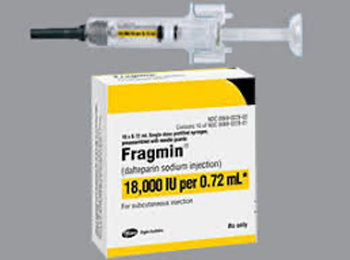
Dalteparin sodium (Fragmin) is indicated for the extended treatment of symptomatic venous thromboembolism (VTE) to reduce VTE recurrence in adult patients with cancer, as well as several other indications.

The median overall survival of the lenvatinib monotherapy arm is longer than that observed in previous clinical trials evaluating it as a monotherapy for unresectable hepatocellular carcinoma.

Receiving a human papillomavirus vaccine and local surgical treatment could reduce the risk of recurring cervical lesions by 57%.

The FDA approved a new drug that treats unresectable and metastatic HER2-low breast cancer, giving patients with this new subtype a treatment beyond chemotherapy.

Patients can better understand the most current recommendations for breast cancer screening with the new NCCN Guidelines for Patients®: Breast Cancer Screening and Diagnosis.

Electronic symptom self-measuring provided early detection of toxic effects and helped anticipate necessary medical interventions for pediatric patients with cancer.

Case management programs or pharmacist-delivered high-touch care are critical components in medical specialty drug management.

Gamma-delta T-cells undergo a biochemical change that leads them to spur the growth of tumors that previously restricted.

Pharmacists have the potential to help optimize treatment and maximize supportive care management for targeted therapies.

Over the next few years, undiagnosed breast cancer cases may add to the demand for more rigorous end-stage treatments and therapeutics.

Studies suggest novel immunotherapy may have efficacy as monotherapy and in combination with an anti-PD-1 immune checkpoint inhibitor.

Ustekinumab is the first and only biologic that targets both cytokines interleukin (IL)-12 and IL-23.

Many companies overlook the power that workplace culture can have on employee wellness and instead, focus relentlessly on financial metrics.

The findings of the phase 1b/2 CHRYSALIS-2 cohort will be presented at the International Association for the Study of Lung Cancer 2022 World Conference on Lung Cancer.

Study shows that adult survivors of cancer had a 42% greater risk of CVD than people who did not have the disease.

Currently, there is no treatment targeted for superoxide dismutase 1 amyotrophic lateral sclerosis, which has a life expectancy of 3 to 5 years from time of symptom onset.

The drug combination demonstrated a 64.5% confirmed objective response rate in individuals with unresectable locally advanced or metastatic urothelial cancer who are ineligible to receive cisplatin-based chemotherapy.

The FDA is evaluating the use of adagrasib (MRTX849) to treat patients with non-small cell lung cancer harboring a KRAS G12C mutation who have previously received at least 1 systemic therapy.

Belimumab (Benlysta) the first FDA-approved therapy for pediatric lupus nephritis.