

Identifying and managing IVIG-related side effects early on in treatment can improve efficacy and safety for patients with CIDP.
Identifying and managing IVIG-related side effects early on in treatment can improve efficacy and safety for patients with CIDP.

Prescribing and dosing appropriate treatments for patients with sickle cell disease while managing episodes of acute pain are some of the integral roles of pharmacists.

Future research can explore the underlying cause of recurrent pericarditis with systemic Sjögren syndrome and the combination of rilonacept with immunosuppressive therapies.

Steven Pipe, MD, explains the long-term efficacy data surrounding etranacogene dezaparvovec in patients with hemophilia B.

Amlenetug could provide a treatment option for patients with multiple system atrophy, a progressive and rare condition that causes damage to the brain’s nerve cells.

A one-time infusion of etranacogene dezaparvovec-drlb led to sustained bleeding control and a reduction in factor IX prophylaxis in patients with hemophilia B.

Pharmacists can help educate patients, identify adverse events, and help patients communicate with other health care professionals or drug companies.

Through frequent interactions, pharmacists can discuss patients' treatment satisfaction, adherence issues, or potential adverse events.

Supplements, such as Prevagen, as well as lifestyle and diet modifications can provide additional support to patients with Alzheimer disease.

The approval is based on positive clinical trial results that indicated deep and durable reductions in plexiform neurofibroma.

Richard Lewis discusses the critical role pharmacists and health care providers play in ensuring safe administration of IVIG for patients with CIDP.
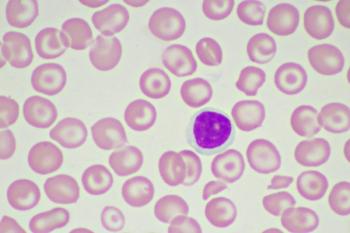
Thalassemia, a chronic blood condition that reduces hemoglobin levels, requires a hands-on approach from pharmacists in patient monitoring and diagnosis.

Pharmacists should educate patients on abelacimab's potential therapeutic impact on atrial fibrillation patients at risk of stroke.

These findings can lay the foundation for the development of machine learning models in chronic kidney disease (CKD) and kidney failure.

Compared with other treatments for myasthenia gravis, nipocalimab demonstrated more significant improvements in disability scores, with tolerable safety.

The designation builds on previous regulatory action for ADI-001 and allows for expedited development of the treatment for systemic lupus erythematosus.

More accurate prognostic risk assessment could aid pharmacists in the management and counseling of patients with primary myelofibrosis.
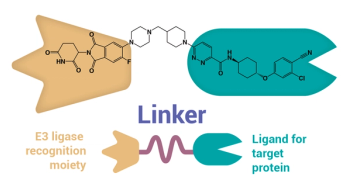
Proteolysis-targeting chimeras hold enormous potential, but also present significant challenges to drug developers.

There were no substantial differences for the mindfulness with substance use or anxiety outcomes compared with the recovery control group.

Higher p16 expression in patients with sickle cell disease led to heightened risk of age-related complications.

Christian Ruff explains the strong efficacy associated with abelacimab compared with rivaroxaban in the AZALEA-TIMI 71 trial.

NK is a degenerative corneal disease resulting from diminished corneal innervation.

Efruxifermin is undergoing 3 phase 3 clinical trials to evaluate its safety, efficacy, and tolerability in metabolic dysfunction-associated steatohepatitis (MASH).

Some risk factors for chronic kidney disease (CKD) in patients with lupus nephritis (LN) and systemic lupus erythematosus (SLE) were renal impairment, delayed diagnosis, and hypertension.

Fitusiran is part of a generation of novel RNA interference therapies and is designed for subcutaneous administration for the prophylactic treatment of hemophilia A or B.

These results provide a pediatric lens into the potential risk of thromboembolic events in patients with dermatomyositis.

The model also predicted prevalent cases of decompensated cirrhosis would more than triple, incident liver cancer cases would nearly double, and transplant almost quadruple.

The regenerative medicine advanced therapy designation expedites the development and review of regenerative medications that have the potential to address unmet needs for serious or life-threatening diseases.

The approval includes indications for rheumatoid arthritis, giant cell arteritis, polyarticular juvenile idiopathic arthritis, systemic juvenile idiopathic arthritis, and COVID-19.

Meloxicam and rizatriptan reduces migraine pain and help patients return to normal functioning with efficacy through 24 to 48 hours after a single dose for some patients.