

A PharmD candidate reflects on the small, evidence-backed daily habits that helped her thrive—not just survive—through pharmacy school's most demanding years.
A PharmD candidate reflects on the small, evidence-backed daily habits that helped her thrive—not just survive—through pharmacy school's most demanding years.
Christina O'Connor, PharmD, advises at least 2 g ceftriaxone every 24 hours and considering alternatives to ertapenem in select critically ill patients.

Understanding local health care priorities is essential to developing meaningful solutions.

Pharmacy Times will feature experts on kidney function assessment, IgG4-related disease, emerging CKD therapies, and gaps in cardiorenal care.

Phase 2 DeLLphi-309 data show comparable activity in previously treated SCLC with less frequent dosing.

The most enduring resources a preceptor can give students are the confidence and tools to ask deeper questions.
With AI handling manual calls and clinical notes, pharmacists and technicians can refocus on getting patients to care and keeping them on therapy.

A retrospective study of pharmacist-supported mirogabalin treatment highlights the need for careful evidence interpretation and sustained follow-up in cancer-related neuropathic pain.
The approval gives patients aged 12 years and older a once-daily oral pellet alternative to capsules for preventing hereditary angioedema (HAE) attacks.
REDEFINE 1 analyses presented at The Menopause Society 2026 meeting found mean weight loss of 23.1% to 26.7% across pre-, peri-, and postmenopausal women.

At issue is whether faster clearance of unbound drug shortens free time above the minimum inhibitory concentration, a question with substantial literature and strong opinions on both sides.
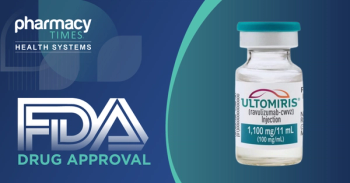
Ravulizumab is now the first C5 complement inhibitor approved for adults with primary IgA nephropathy at risk of disease progression.

A randomized clinical trial found that dedicated oncology pharmacist care reduced adverse drug reactions among patients with hematologic malignancies.
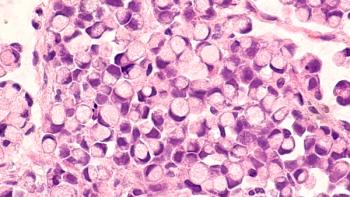
ENDURANCE trial finds fixed 2-year lenalidomide maintenance matches continuous therapy for standard-risk multiple myeloma survival, guiding oncology pharmacists on MM regimen toxicity.
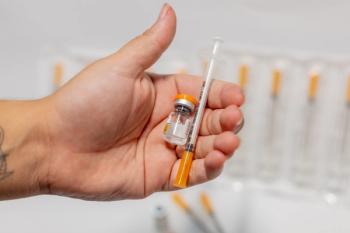
Mounjaro becomes the first GIP/GLP-1 receptor agonist cleared to lower MACE risk, based on the SURPASS-CVOT head-to-head trial.

Sea buckthorn is a commonly used herbal for respiratory health—US pharmacists are knowledgeable in educating patients on herbals, especially during the cold season.
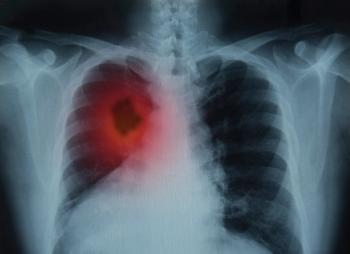
Sita Bhatt, PharmD, explains how new lung cancer therapies and oral oncology programs are expanding pharmacists’ roles in education, toxicity management, and access for underserved patients.

Two recent graduates share strategies for standing out in the competitive fellowship application process.

Community pharmacies are access points, safe places, and sources of stability when everything else feels uncertain.

In the phase 3 B-Well trials, about 1 in 5 adults reached functional cure after a fixed course, but a boxed warning makes monitoring key for pharmacists.

In part 3 of this interview, Michael Mina, MD, PhD, discusses VYD2311’s variant-resistant design and the role pharmacists may play in explaining emerging immunization options.
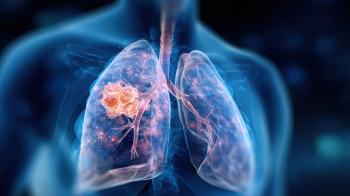
Phase 3 Krascendo 1 results suggest investigational divarasib could improve survival compared with currently approved KRAS G12C inhibitors in previously treated NSCLC.
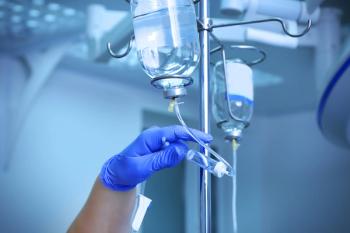
This study found that use of fixed-dose 4F-PCC is a safe, efficient alternative to weight-based dosing and can lead to cost savings for the health system.

Tucatinib’s new HER2-positive breast cancer maintenance indication extends disease control while requiring close liver monitoring and pharmacist coordination of oral therapy with ongoing antibody treatment.

Impostor syndrome prevalence in oncology pharmacists is a complex topic that is not well described.

This quiz was created in collaboration with PTCE™.

Pharmacy professionals can leverage LinkedIn to build a professional brand, expand meaningful connections, share expertise, and create opportunities for career growth.

An Italian pharmacy student offers an inside look at pharmacy education in Italy, from admission and coursework to oral exams and professional training.

The PD-1 inhibitor is the first immunotherapy approved for stage II and III MSI-H/dMMR locally advanced rectal cancer and may allow eligible patients to avoid chemotherapy, radiation, and surgery.

The once-nightly drop, previously approved to reverse pupil dilation, met its primary end point in 2 phase 3 trials, with conjunctival hyperemia most common.