A PGY-2 Oncology Residency Director shares her advice for residents about remaining adaptable.
A PGY-2 Oncology Residency Director shares her advice for residents about remaining adaptable.

Individuals with a history of cigarette smoking may benefit from regular ibuprofen use.

Top news of the day from across the health care landscape.

Once-daily tablet for hepatitis C virus contains sofosbuvir, velpatasvir, and voxilaprevir.
Checkpoint inhibitor resistance remains an issue in cancer therapy.
Top news of the week in oncology and cancer drug development.
A Memorial Sloan-Kettering pharmacist discusses the often complicated reimbursement process for oncology medications and appeals.
A hematology/oncology clinical pharmacist with Memorial Sloan-Kettering Cancer Center discusses the importance of early collaboration between pharmacists and oncologists in patient care.
Inhibiting communication between proteins and the Golgi apparatus could possibly prevent lung cancer metastasis.

Disrupting the body’s circadian clock can increase the risk of serious diseases, such as cancer.

Myeloma Genome Project to create the largest dataset of molecular profiling for patients with multiple myeloma.

In a phase 3 trial, Gazyva showed superior progression-free survival in previously untreated follicular lymphoma.

Research suggests cancer cells may evade treatment by eating adult stem cells.
Gazyva is an engineered monoclonal antibody designed to attach to CD20.
TIP60 levels could serve as a prognostic marker of breast cancer progression.
An investigational drug was found to reverse the activity of immune suppressor cells.

Top news of the day from across the health care landscape.

A modified retrovirus may hold the key to successful gene therapy for patients with a serious immune system disorder.

The combination of brentuximab vedotin (Adcetris) and nivolumab (Opdivo) found to be active and safe in relapsed/refractory classical Hodgkin lymphoma.
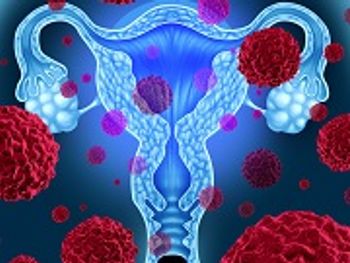
Roche’s bevacizumab (Avastin) granted expanded indication for platinum-sensitive recurrent ovarian cancer.
Avastin was previously approved for the treatment of metastatic colorectal cancer, lung cancer, brain cancer, kidney cancer, and cervical cancer.
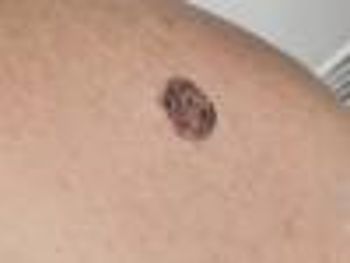
New skin cancer combination therapy more effective than current treatments.
Oraxol is combination P-glycoprotein pump inhibitor and an oral version of paclitaxel.

Athenex and Eli Lilly partner to conduct a phase 1b trial for experimental cancer drug.

Majority of people with chronic hepatitis C are unaware of the infection.

Mouth cancer rates show significant increase among males and females of all ages.
Partnership between Clearbrdige BioMedics and John Wayne Cancer Institute will initially focus on melanoma.
Trained clinical pharmacists can effectively manage patients with hepatitis C virus.

Have you ever considered pursuing a post-graduate year 2 pharmacy residency in oncology?
Trisenox is the first approved acute leukemia treatment that is chemotherapy-free.